
Beyond Diet and Lifestyle: How Air Pollution Is Fueling India’s Diabetes Epidemic
In a new revelation challenging the conventional narrative surrounding the surge of diabetes in urban areas, a recent groundbreaking study introduces air pollution, specifically the presence of PM2.5 particulate matter, as an unexpected culprit contributing


In a new revelation challenging the conventional narrative surrounding the surge of diabetes in urban areas, a recent groundbreaking study introduces air pollution, specifically the presence of PM2.5 particulate matter, as an unexpected culprit contributing to the escalating prevalence of type-2 diabetes in major cities across India. While the longstanding focus has been on established factors such as sedentary lifestyles, unhealthy dietary choices, and increasing obesity rates, there is an intricate connection between air quality and the ever increasing diabetes epidemic. India, already holding the title of the “diabetes capital of the world,” with an estimated 77 million people affected by this metabolic disorder, faces an even more complex health challenge with the potential link to air pollution.
Traditionally recognized for its role in respiratory diseases like chronic obstructive lung disease, asthma, and lung cancer, PM2.5 particulate matter emerges as a multifaceted player in public health. The revelation that these tiny particles may act as endocrine disruptors adds a new layer to our understanding of their impact. Endocrine disruptors are substances capable of interfering with the endocrine system, which regulates crucial hormones governing various bodily functions, including metabolism. The study posits that the disruption caused by PM2.5 particulate matter in the endocrine system might pave the way for the development of diabetes, thus adding a previously unforeseen dimension to the complex web of factors influencing this metabolic disorder.
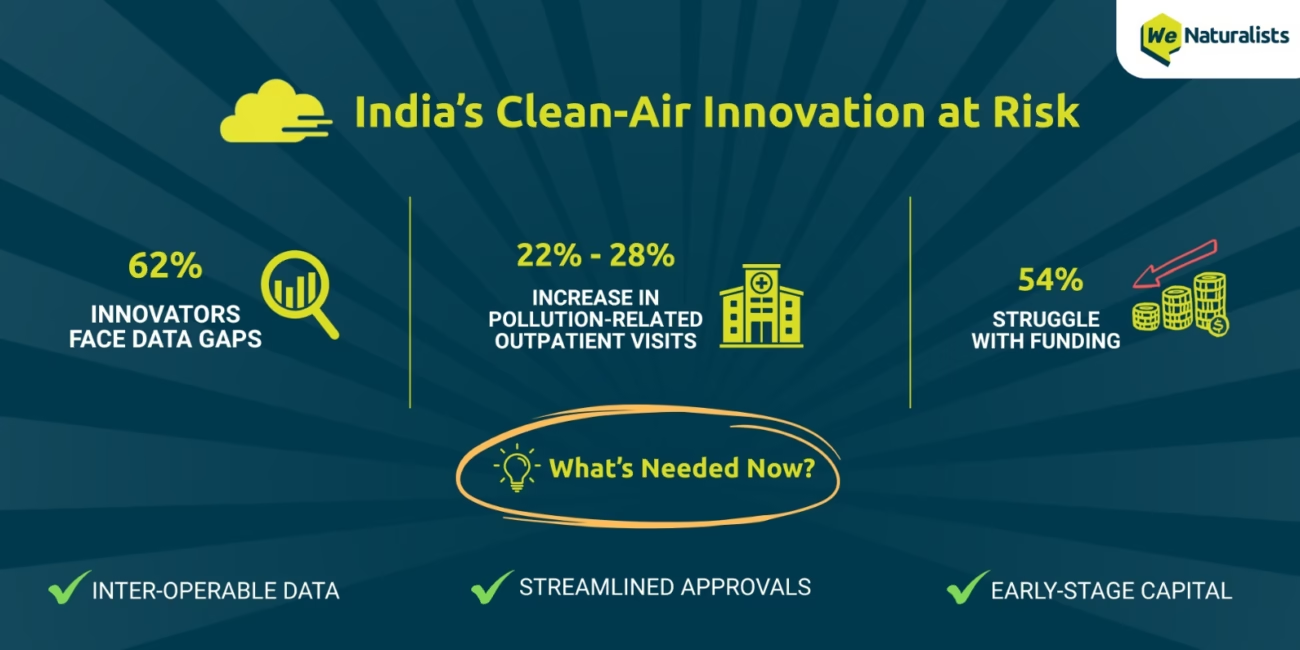
India’s urban landscape, marked by rapid industrialization and urbanization, is already dealing with soaring levels of air pollution, and now has a new issue to combat respiratory health issues. As government bodies and healthcare professionals strive to curb the diabetes epidemic, acknowledging and addressing the role of air pollution becomes imperative. Government initiatives play a pivotal role in mitigating the impact of air pollution on public health. Stricter implementation and enforcement of air quality standards, investment in renewable energy sources, and promotion of sustainable public transportation are crucial steps toward reducing PM2.5 particulate matter levels in the air. Additionally, fostering green spaces and prioritizing environmentally conscious urban planning can contribute significantly to the overall well-being of urban populations.
On an individual level, citizens also bear responsibility in mitigating the effects of air pollution. Adopting eco-friendly practices, reducing personal carbon footprints, and actively supporting initiatives that combat pollution collectively contribute to a healthier environment. Raising awareness about the newly identified link between air pollution and diabetes enables individuals to actively participate in advocacy efforts and support policies that promote cleaner air.
Air pollution’s potential role in the diabetes epidemic adds complexity to the multifaceted nature of this health crisis in India. With collaborative efforts between government initiatives and individual actions, there is hope for a healthier future where clean air prevails, and the shadow of diabetes diminishes. As the nation grapples with its status as the “diabetes capital of the world,” addressing the previously overlooked connection to air pollution also becomes a societal responsibility.
Dr Aditya S Chowti, Director, Internal Medicine, TriLife Hospital