
Can multiple pregnancies increase a woman’s risk of cervical cancer?
Women's health is influenced by a myriad of factors, from lifestyle choices to biological changes and societal perceptions. Among many issues affecting women worldwide, cervical cancer, often associated with the Human Papillomavirus, is one of


Women’s health is influenced by a myriad of factors, from lifestyle choices to biological changes and societal perceptions. Among many issues affecting women worldwide, cervical cancer, often associated with the Human Papillomavirus, is one of the most widely discussed topics. As much as various risk factors include sexual health, immune response, and reproductive history, certain myths exist, such as the claim that multiple pregnancies increase the risk of cervical cancer by themselves.
The Link Between Multiple Pregnancies and Cervical Cancer
Medical studies have shown that women who have had three or more pregnancies at term are at a greater risk of cervical cancer. Some of the factors that can explain this relationship include:
- Hormonal Imbalance: The hormonal changes that occur during pregnancy can predispose the body to long-term HPV infections.
- Immune Suppression: A suppressed immune system during pregnancy makes it difficult for the body to eliminate HPV.
- Cervical Trauma: Multiple pregnancies can physically stress the cervix, thereby making it more susceptible to cellular changes caused by HPV.
However, it is important to note that multiple pregnancies alone do not cause cervical cancer.
The HPV-Cervical Cancer Connection
Not all HPV infections lead to cancer, but persistent infections with high-risk strains like HPV 16 and 18 can cause cellular changes in the cervix, potentially leading to cervical cancer. For women, the risk increases with factors such as early sexual activity, multiple sexual partners, smoking, and a weakened immune system.
Risk Factors Other Than Pregnancy
Even women who are not planning pregnancies but remain sexually active or have multiple sex partners are much more likely to contract HPV and by consequence, cervical cancer. It should therefore be a point of emphasis to focus on rationale precautions and preventive measures rather than simply pointing fingers at multiple pregnancies.
Cervical Cancer Symptoms
Most cases of cervical cancer go unnoticed at its initial stages, though at more advanced stages, a woman may begin experiencing some symptoms such as the following:
- Irregular Vaginal bleeding during coitus, in between the periods, or after the women’s age of menopause
- Watery, bloody, or foul-smelling vaginal discharge
- Pain or discomfort in the pelvic area while engaging in sexual activities
- At advanced stages, general body weakness, loss of weight, or reduced appetite may persist
Precautionary Measures
For women, particularly those in their reproductive years or with active sexual lives, it’s crucial to adopt a proactive approach:
- Pap Smear Tests: Regular screenings help detect precancerous changes early.
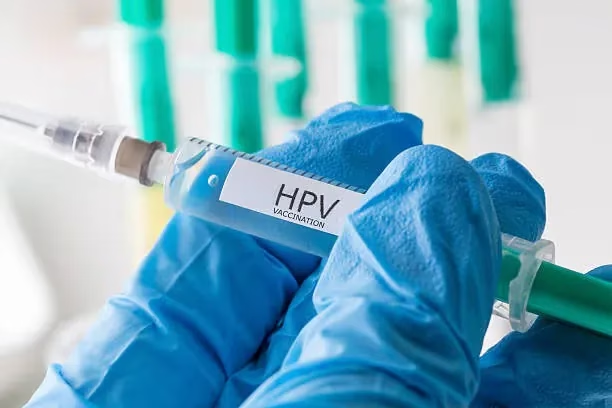
- HPV Vaccination: Vaccination can prevent infection from high-risk HPV strains, significantly lowering cervical cancer risk.
- Safe Sexual Practices: Using protection and reducing the number of sexual partners minimizes HPV transmission.
- Awareness: Knowledge of all contributing factors and avoiding misinformation is an essential step to better health outcomes.
Treatment Options for Cervical Cancer
Treatment for cervical cancer depends on the stage of the disease, overall health, and the patient’s preferences. Common treatment options include:
- Surgery: Removal of the tumor, or in more advanced cases, a hysterectomy (removal of the uterus) may be necessary.
- Radiation Therapy: This uses high-energy beams to kill cancer cells and shrink tumors.
- These medicines interfere with or stop cancer cells from growing or cause their death.
- Targeted Therapy and Immunotherapy. These are new treatment therapies that enhance the body’s immune system to fight against cancers or target specific cancerous cells.
Conclusion
While multiple pregnancies are often cited as a risk factor for cervical cancer, the real risk lies in persistent HPV infections exacerbated by unsafe sexual practices or lack of preventive care. Women in their reproductive years should prioritize regular screenings, vaccination, and informed sexual health decisions.
In short, it helps equip women in such a way that they can easily protect themselves and lighten the burden of cervical cancer. Prevention is not about preventing pregnancy but making informed and rational choices for long-term health.