

Clear Lungs, Bright Future: Get Screened for Lung Cancer
Lung cancer is one of the most common cancers diagnosed across the world and the lead in cancer related deaths globally and among the top 5 causes of cancer-related deaths in India. About 81,000 new

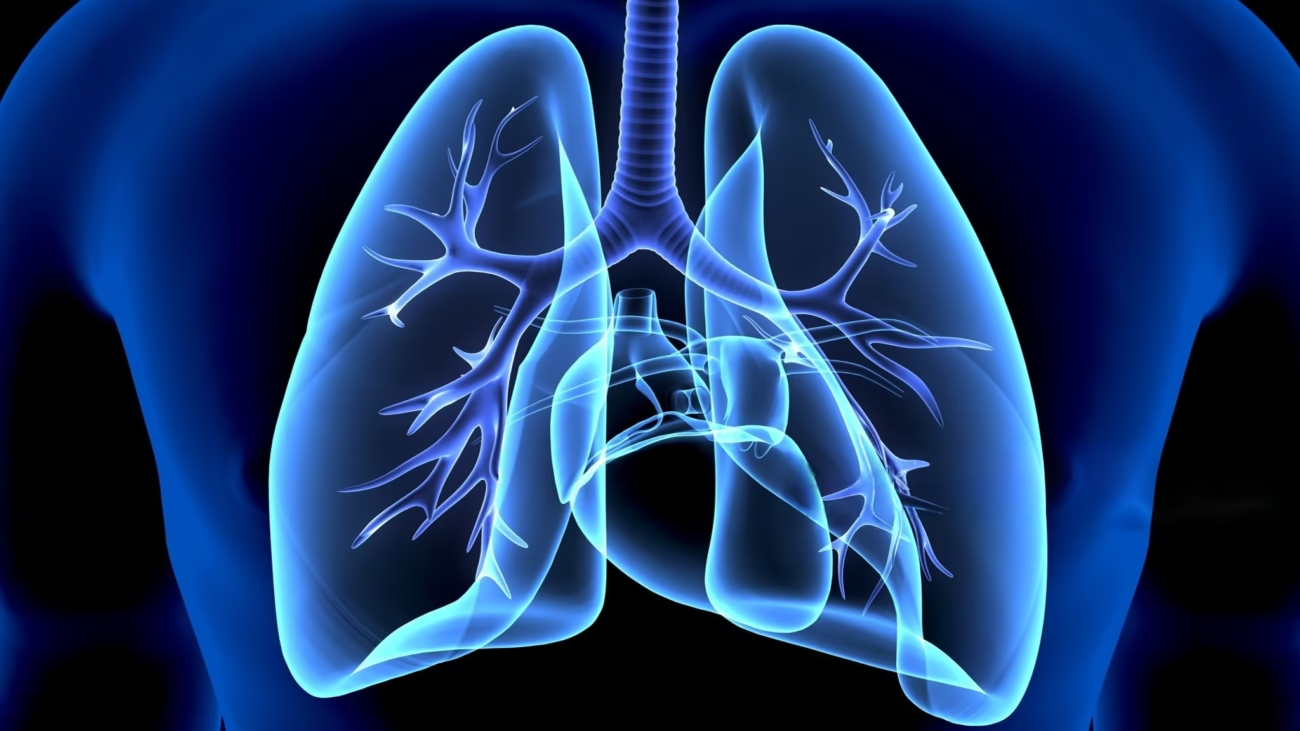
Lung cancer is one of the most common cancers diagnosed across the world and the lead in cancer related deaths globally and among the top 5 causes of cancer-related deaths in India. About 81,000 new cases of lung cancer are expected to be diagnosed in our country 2025; with about three fourths of these being in men.
Who is at risk of developing lung cancer?
Dr. Sujay Halkur Shankar, Associate Consultant – Pulmonology, SPARSH Hospital, RR Nagar, Bangalore
Smoking (Cigarettes, beedi, hookah, etc) is the strongest risk factor for developing lung cancer. Cigarette smoking more than doubles a person’s risk of developing lung cancer. However, globally there has been an increasing number of lung cancer detected in non-smokers. In the Indian population, about half of those diagnosed with lung cancer are non-smokers, which has become a major concern for doctors.
Risk factors that are important to consider in non-smokers would be second hand smoke exposure, outdoor air pollution, indoor air pollution (using coal or firewood for daily activities like cooking and warmth), occupational exposure (such as dust and particulate matter in factory workers and miners), and genetics.
November is observed as Lung Cancer Awareness Month across the world to share information and create awareness about lung cancer.
How does screening for lung cancer help?
Dr.Radhika Arvind Ghongane, Consultant Pulmonologist
Early stages of lung cancer usually do not have any symptoms. By the time symptoms appear, the cancer is usually advanced and difficult to treat. In India, majority (More than two-thirds) are only diagnosed at an advanced stage.
Lung cancer can be staged from I to IV with stage I being very early disease and stage IV being advanced disease with spread of the cancer outside the lungs to other organs. The treatment modalities used and survival depends on the stage at which lung cancer is diagnosed. Recent diagnostic and therapeutic advances, ranging from endobronchial ultrasound guided biopsy to targeted chemotherapy and immunotherapy have improved survival even in advanced cancer. Treatment of lung cancer involves a multidisciplinary team led by medical oncologists, including surgical oncologists, radiation oncologists along with pulmonologists and palliative medicine phsyicians. Early stage of diagnosis is associated with better outcomes.
Just like pap smears and mammograms help in detecting cancers early, screening for lung cancer can help diagnose it in the early stages even when there are no symptoms. Screening is recommended for those who are older than 50 years and are currently active smokers or with a history of heavy smoking (even though they have stopped smoking).
However, if someone believes that you are at risk – have a history of indoor smoke exposure, occupational exposure, or live in a city with high outdoor air pollution – they should get screened for lung cancer as well.
How is lung cancer screening done?
Dr. Rajani Surendar Bhat, Consultant Pulmonologist
Lung cancer screening is done by way of a CT scan of the chest. It is like a 3-dimensional X-ray which is painless and takes just a few minutes. Based on the report, close monitoring with CT scans may be ordered every few months, or more invasive procedures like a biopsy may be done to diagnose and guide treatment.
Lung cancer management has evolved over the past two decades and advanced diagnostic and treatment modalities are available for effective treatment and improved survival . Timely screening significantly improves outcomes for patients with lung cancer.
Preserving Lung Health
The COVID-19 pandemic was a wake-up call to the world. Everyone is susceptible to air-borne infections. November 12th was observed as World Pneumonia Day. Infections like influenza and bacterial pneumonia can be severe enough to warrant hospital or even ICU admissions. Nowadays, Pneumococcal vaccines are recommended for all adults over 50 in India, especially those with underlying health issues (heart, kidney, liver, and lung diseases), diabetes, and smokers. Influenza vaccination can be taken by all adults. Adult vaccination helps to reduce the risk of serious pneumonia and flu-related complications and also helps to protect vulnerable elders and young children at home. Using masks in public spaces, working from home when sick with a respiratory infection, washing hands regularly and maintaining cough etiquette are simple habits that can keep everyone safe.
So, this November, be aware and get screened for lung cancer. Keep yourself and your family safe by getting vaccinated. Help spread awareness and save lives. Talk to your doctor about lung cancer screening and vaccinations today to keep your lungs strong for years to come.