

Every Minute Matters in Stroke: Early Treatment Can Reverse Paralysis, Say Experts
Experts emphasise that reaching the hospital within the critical 4.5-hour “golden window” can help restore blood flow to the brain, prevent stroke-related paralysis, and reduce the risk of permanent disabilityStroke is a medical emergency that strikes suddenly

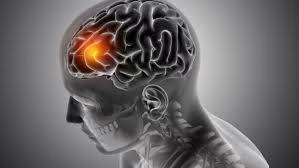
Experts emphasise that reaching the hospital within the critical 4.5-hour “golden window” can help restore blood flow to the brain, prevent stroke-related paralysis, and reduce the risk of permanent disability
Stroke is a medical emergency that strikes suddenly and without warning, often leaving patients with paralysis or long-term disability. However, experts say that quick action can make a life-changing difference. Timely treatment within a critical period known as the golden window of 4.5 hours can help reverse stroke-related paralysis and protect brain function. Hence, experts are now urging the public to recognise early symptoms and seek immediate medical help to reduce irreversible damage.
A stroke occurs when the blood supply to a part of the brain is suddenly blocked or reduced, depriving brain cells of oxygen and nutrients. The most common type is ischemic stroke, caused by a clot that blocks blood flow to the brain. Without prompt treatment, brain cells begin to die rapidly, leading to weakness, speech problems, vision loss, or paralysis. The causes include uncontrolled high blood pressure, diabetes, high cholesterol, smoking, which damages blood vessels, physical inactivity, and excessive salt intake. These factors can narrow or block blood vessels supplying the brain, triggering a stroke.
Beware of BEFAST warning signs
B:Balance loss
E: Eye vision changes
F: Face drooping
A: Arm weakness
S: Speech difficulty
T: Time to act fast
Immediate medical attention is critical when any of these symptoms appear.
Dr. P. Vijaya, Senior Neurologist and President of the Indian Stroke Association (ISA), said, “Stroke can lead to several short- and long-term complications depending on the area and extent of brain damage. The complications are paralysis or weakness on one side of the body, speech and swallowing difficulties, and vision problems. Time plays a decisive role in stroke recovery. So, nearly two million brain cells die every minute, which is why reaching the hospital early can mean the difference between recovery and permanent disability. If a patient with an ischemic stroke arrives within 4.5 hours, doctors can administer a clot-dissolving injection that helps restore blood flow to the affected area of the brain. This treatment can reduce brain damage and, in many cases, reverse paralysis. However, once this golden window closes, the medication becomes ineffective, and the damage is often permanent. When stroke treatment is delayed beyond the golden window, brain damage becomes irreversible, paralysis may become permanent, speech, memory, and vision problems can persist for life, and the patient can become bedridden. Early treatment and rehabilitation can significantly reduce the severity of these complications.”
Dr. Arvind Sharma, Stroke Specialist & Neurologist,, Secretary of the Indian Stroke Association (ISA), explained, “Stroke should be treated with the same urgency as a heart attack. Many patients lose valuable time because symptoms are ignored or mistaken for fatigue or minor illness. Emergency stroke care focuses on quickly identifying the type of stroke and restoring blood flow to the brain. Early intervention not only saves lives but also preserves brain function, allowing patients to return to normal activities with minimal disability. To prevent paralysis caused by stroke, treatment must begin as early as possible. If an ischemic stroke is identified in time, a clot-busting injection (tPA) can be given within the golden window to restore blood flow to the brain. In serious cases, emergency procedures or surgery may be required to remove the clot, helping limit brain damage and reduce the risk of permanent paralysis.
Doctors emphasise that most strokes are preventable with simple lifestyle changes. To lower stroke risk, individuals should:
· Monitor blood pressure, diabetes, and cholesterol as per the doctor’s advice
· Quit smoking
· Exercise every day
· Reduce salt intake and follow a balanced diet
Stroke is a race against time. Recognising symptoms early and reaching a hospital within the golden window can save brain cells, prevent permanent paralysis, and restore quality of life. Doctors urge families and caregivers to act fast because in stroke care, every minute truly counts.