
From Mouth to Kidney: Rare Surgery Restores Health of Young Nepalese Man
AINU doctors perform complex ureteral reconstruction using buccal mucosaAsian Institute of Nephrology and Urology (AINU), a leader in complex urological surgeries, has successfully performed a pioneering reconstructive procedure utilizing mouth tissue (buccal mucosa) to rebuild

AINU doctors perform complex ureteral reconstruction using buccal mucosa
Asian Institute of Nephrology and Urology (AINU), a leader in complex urological surgeries, has successfully performed a pioneering reconstructive procedure utilizing mouth tissue (buccal mucosa) to rebuild the damaged ureter of a 38-year-old male patient from Nepal. This breakthrough exemplifies hospital’s commitment to advancing minimally invasive and regenerative techniques for young patients with severe urological conditions.
The ureters, which carry urine from the kidneys to the bladder, are extremely narrow. If they get damaged, repairing or reconstructing them becomes highly complex. In a groundbreaking procedure, doctors at the Asian Institute of Nephrology and Urology (AINU) have successfully reconstructed the ureter of a young man from Nepal using tissue from inside his mouth (which is called buccal mucosa), effectively saving his life.
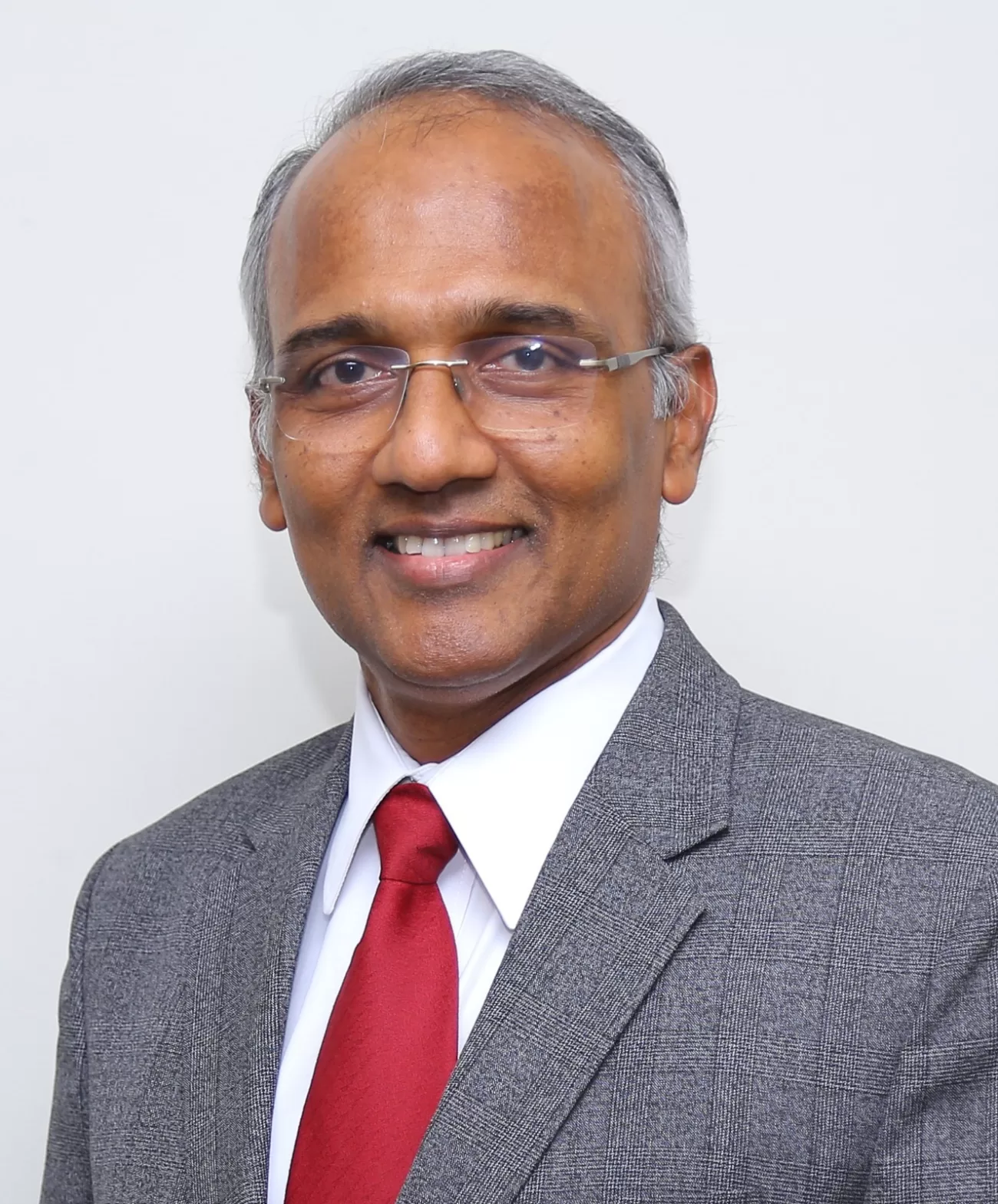
Sharing details of the case, Dr. C. Mallikarjuna, Managing Director, Chief Consultant Urologist, and Robotic Surgeon at AINU, said, “Recently, a patient from Nepal came to us. He had kidney issues since childhood, resulting in one of his kidneys becoming severely shrunken. He had been living with only one functioning kidney for many years. A few months ago, stones developed in the upper portion of the ureter of that functioning kidney. He underwent laser treatment in his country to break the stones. Unfortunately, during the procedure, his ureter was damaged. Since the ureter is already narrow, the injury made it even narrower, leading to severe problems with urination. He was then referred to our hospital in Hyderabad
Here, after evaluation, we reconstructed his ureter using tissue from the inside of his mouth. The buccal mucosa is a thin layer. We graft it onto the damaged part of the ureter, where it adheres around the edges—much like patching a punctured tube—thus restoring its function. This is a very intricate and delicate procedure.”
Dr. Mallikarjuna explained that urinary tract infections are often sexually transmitted, which can damage the urethra. In such cases, urologists traditionally use buccal mucosa for urethral reconstruction. However, using it for ureteral reconstruction is a completely new technique. Typically, such surgeries are done through open procedures, but AINU now performs them laparoscopically or robotically.
“The buccal mucosa—the tissue inside the mouth—normally plays a role in chewing, tasting, and eating food. It has been used earlier for urethral reconstruction, and now, we’re using it for ureteral reconstruction as well,” he added.
Urethral and ureteral are different; the ureters are the tubes that transport urine from the kidneys to the bladder, while the urethra is the tube that carries urine from the bladder to the outside of the body.
Dr. Mallikarjuna also emphasized the importance of technology in urological procedures, “Technology is always a boon. The way kidney stones are treated has drastically changed before and after the advent of laser technology. Most doctors prefer using lasers to ensure patients don’t face discomfort, and patients too opt for it. While laser treatment is highly effective, it must be used with proper care and precision.
Urethral reconstruction is relatively manageable because the urethra, which carries urine from the bladder out of the body, is wider. But reconstructing ureters is far more challenging because they are much narrower. Now, with the use of buccal mucosa grafts, we are able to overcome this challenge successfully,” Dr. Mallikarjuna concluded.