
Goa Achieves Landmark Milestone in Malaria Elimination
Health Minister Rane Announces Target for Complete Eradication by 2025–26In a significant public health milestone, Goa has officially entered the malaria elimination phase, with the goal of complete eradication by the year 2025–26. This was

Health Minister Rane Announces Target for Complete Eradication by 2025–26
In a significant public health milestone, Goa has officially entered the malaria elimination phase, with the goal of complete eradication by the year 2025–26. This was announced by the Hon’ble Minister of Health, Shri Vishwajit Rane, during a recent review meeting on vector-borne diseases held in the state capital.
Zero Indigenous Cases in 2023: A Major Achievement
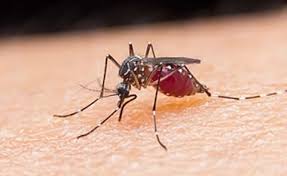
Goa has recorded zero indigenous malaria cases in the year 2023, a commendable feat for the state’s healthcare machinery. This positions Goa among the few Indian states on track to eliminate malaria ahead of the national target, set under the National Framework for Malaria Elimination (NFME).
However, the Health Minister highlighted the rise in imported cases, particularly from labor migration in construction zones. The number of imported malaria cases has doubled from 585 in 2022 to 1,209 in 2023, especially in high-development areas such as Panaji, Porvorim, Margao, Candolim, and Sanguem.
Key Measures Underway
1. Mandatory Screening and Health Cards
The Department of Health & Family Welfare has mandated health screening and the issuance of health cards for all migrant workers employed at construction sites across Goa, under the Goa Public Health Act. This step is being strictly enforced through close coordination with district health officials and contractors.
2. Strengthened Surveillance and Control
To prevent malaria resurgence, health authorities have increased surveillance, especially in vulnerable zones. The Directorate of Health Services has also intensified vector control operations, fogging activities, and community awareness programs.
3. Interdepartmental Coordination
Health Minister Rane has emphasized the need for synergistic collaboration across departments, including urban development, panchayats, and the labour department, to sustain malaria-free zones and prevent new outbreaks.
“Goa is now in the malaria elimination phase, and we are aiming to make the state completely malaria-free by 2025–26. This requires strong community support, interdepartmental coordination, and vigilance,”
— Shri Vishwajit Rane, Minister of Health, Goa
Proposal for National Recognition
The State Government has proposed South Goa district for the Sub-National Malaria Elimination Award for the years 2022, 2023, and 2024, reflecting the district’s sustained efforts in eliminating indigenous malaria.
A Multi-Pronged Public Health Approach
The malaria elimination strategy in Goa is built on four key pillars:
Strategic Pillar Key Action Items
Surveillance Targeted screening in high-risk populations, especially migrant laborers
Prevention Vector control, use of insecticide-treated nets, and public education
Case Management Prompt diagnosis and complete treatment using national protocols
Community Engagement Involving NGOs, local leaders, and civil society in awareness campaigns
Public Participation is Key
The Health Minister has called on all citizens to contribute to this initiative by:
Maintaining hygienic surroundings to eliminate mosquito breeding sites
Cooperating with health workers during screening drives
Reporting any symptoms of fever or malaria immediately
Encouraging migrant workers to obtain valid health cards
Contractors and housing societies have also been urged to comply with state health guidelines, ensuring regular inspection and documentation of workers’ health status.