
GST Reforms Roll Out: Medicines and Medical Devices to Become More Affordable; PM Modi Launches ‘Bachat Utsav’
New Delhi, September 22, 2025: Prime Minister Narendra Modi on Sunday inaugurated the next phase of GST reforms, calling it a nationwide GST Bachat Utsav (Savings Festival). The reforms, effective from September 22, are aimed
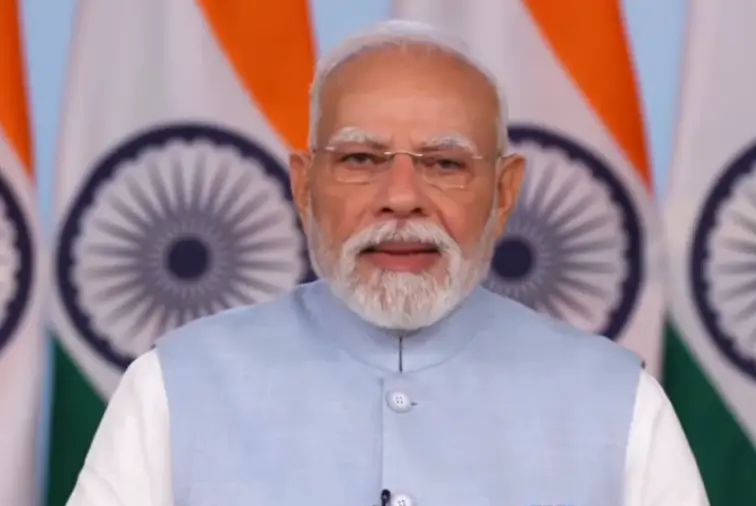
New Delhi, September 22, 2025: Prime Minister Narendra Modi on Sunday inaugurated the next phase of GST reforms, calling it a nationwide GST Bachat Utsav (Savings Festival). The reforms, effective from September 22, are aimed at making essential goods and services, particularly in the healthcare sector, more affordable while boosting ease of doing business and accelerating India’s growth story.
Speaking on the occasion, PM Modi highlighted that the benefits of these reforms will reach all sections of society, including the poor, middle class, youth, farmers, women, shopkeepers, traders, and entrepreneurs. He emphasized that the reforms will simplify business operations, attract greater investments, and ensure that every state participates equally in India’s development journey.
The reforms were approved by the GST Council on September 3, 2025, with a multi-sectoral focus on enhancing citizens’ lives and supporting small traders and businesses. Key measures include:
Health Insurance: GST exemption on all individual health insurance policies—including family floater and senior citizen policies—and reinsurance, aiming to make insurance more affordable and expand coverage.
Medicines: GST reduced from 12% to NIL on 33 lifesaving drugs, and from 5% to NIL on three critical medicines used in cancer treatment, rare diseases, and severe chronic illnesses.
Medical Devices and Apparatus: GST cut from 18% to 5% on several medical apparatus and devices used in surgical, dental, veterinary, and laboratory applications.
Medical Equipment and Supplies: GST lowered from 12% to 5% on items such as gauze, bandages, diagnostic kits and reagents, glucometers, and other essential medical devices.
The GST Council clarified that while the revised rates on goods and services will be effective from September 22, 2025, some changes will be implemented in phases to safeguard revenue for the compensation cess fund.
In addition, the Central Board of Indirect Taxes and Customs (CBIC) will begin administrative implementation of revised provisional refund mechanisms under the CGST Act, 2017. This includes granting 90% provisional refunds under the Inverted Duty Structure, leveraging system-driven data analysis and risk evaluation, similar to refunds on zero-rated supplies.
Healthcare experts and industry stakeholders have welcomed the move, noting that it will significantly reduce out-of-pocket expenses for patients, encourage wider adoption of modern medical devices, and strengthen India’s healthcare infrastructure.
The GST Bachat Utsav marks a major step in India’s effort to combine economic reforms with citizen-centric healthcare policies, creating a more accessible and equitable system for patients, medical professionals, and businesses alike.