ICMR Sounds Alarm on Excess Salt Consumption in India
Launches Community-Based Study and National Awareness Drive The Indian Council of Medical Research–National Institute of Epidemiology (ICMR-NIE) has raised a red flag on India's rising salt consumption, labeling it a “silent epidemic” with alarming implications for

Launches Community-Based Study and National Awareness Drive
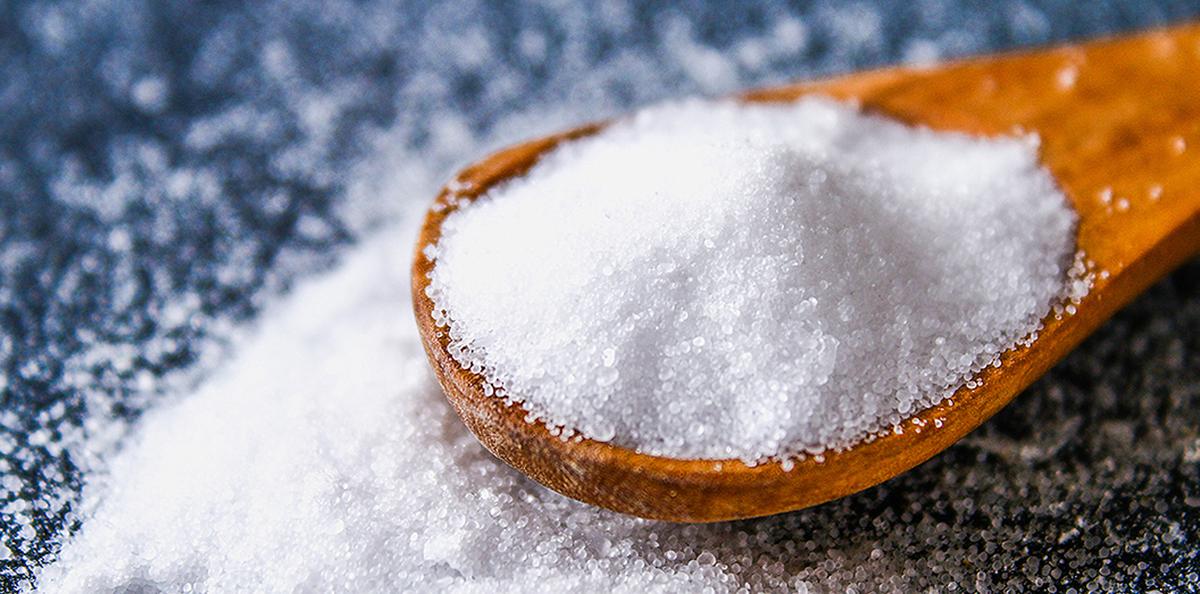
The Indian Council of Medical Research–National Institute of Epidemiology (ICMR-NIE) has raised a red flag on India’s rising salt consumption, labeling it a “silent epidemic” with alarming implications for public health. According to recent data, urban Indians are consuming approximately 9.2 grams of salt per day—nearly double the World Health Organization’s recommended 5-gram limit. Rural areas, while comparatively lower, still exceed healthy intake at an average of 5.6 grams per day.
A Groundbreaking Study in Punjab and Telangana
3-Year Intervention Aims to Promote Low-Sodium Alternatives
To address the growing health risk, ICMR-NIE has launched a three-year, community-based salt reduction study in Punjab and Telangana. The initiative focuses on integrating structured dietary counselling through Health & Wellness Centres (HWCs) and promoting the use of low-sodium salt substitutes. These substitutes—where sodium chloride is partially replaced with potassium or magnesium—have shown the ability to lower blood pressure by an average of 7/4 mmHg.
Senior scientist Dr. Sharan Murali, who is leading the project, emphasized that reducing dietary salt is one of the most effective strategies to combat hypertension and related non-communicable diseases (NCDs).
Survey Reveals Gaps in Availability and Affordability
Low-Sodium Substitutes Rare in Kirana Stores, Costlier Than Regular Salt
As part of its groundwork, the ICMR team conducted a survey of over 300 retail outlets across Chennai. Findings revealed that low-sodium salt substitutes are available in just 28% of outlets—while 52% of supermarkets stocked them, only 4% of kirana stores did. Additionally, the average cost of low-sodium salt was ₹5.60 per 100g—more than double the ₹2.70 cost of standard iodised salt—posing a challenge to adoption among lower-income households.
Public Engagement Through PinchForAChange Campaign
Raising Awareness About Hidden Salt and Healthy Choices
To create awareness at a national level, ICMR-NIE has launched a social media campaign titled PinchForAChange, aimed at educating citizens on the dangers of excess salt and encouraging healthier habits. The campaign includes informational content, community testimonials, and educational materials tailored for frontline healthcare workers and the general public.
Dr. Ganesh Kumar, co-investigator of the study, noted that community health workers have co-developed these materials, ensuring local relevance and cultural sensitivity for long-term behavioral change.
Toward a Scalable National Strategy
Potential to Integrate into India’s Public Health Framework
If proven effective, the pilot interventions in Punjab and Telangana could be scaled and integrated into India’s broader public health infrastructure. The model would embed salt-reduction counselling into routine services at HWCs, enabling frontline health workers to address hypertension at the source—through food choices and awareness.