
MP’s Maternal Mortality Ratio Drops to 159: A Marked Improvement, Yet a Call for Urgent Reflection and Action
In a significant development in India’s ongoing efforts to reduce maternal mortality, Madhya Pradesh (MP) has reported a drop in its Maternal Mortality Ratio (MMR) to 159 per 100,000 live births, as per the latest

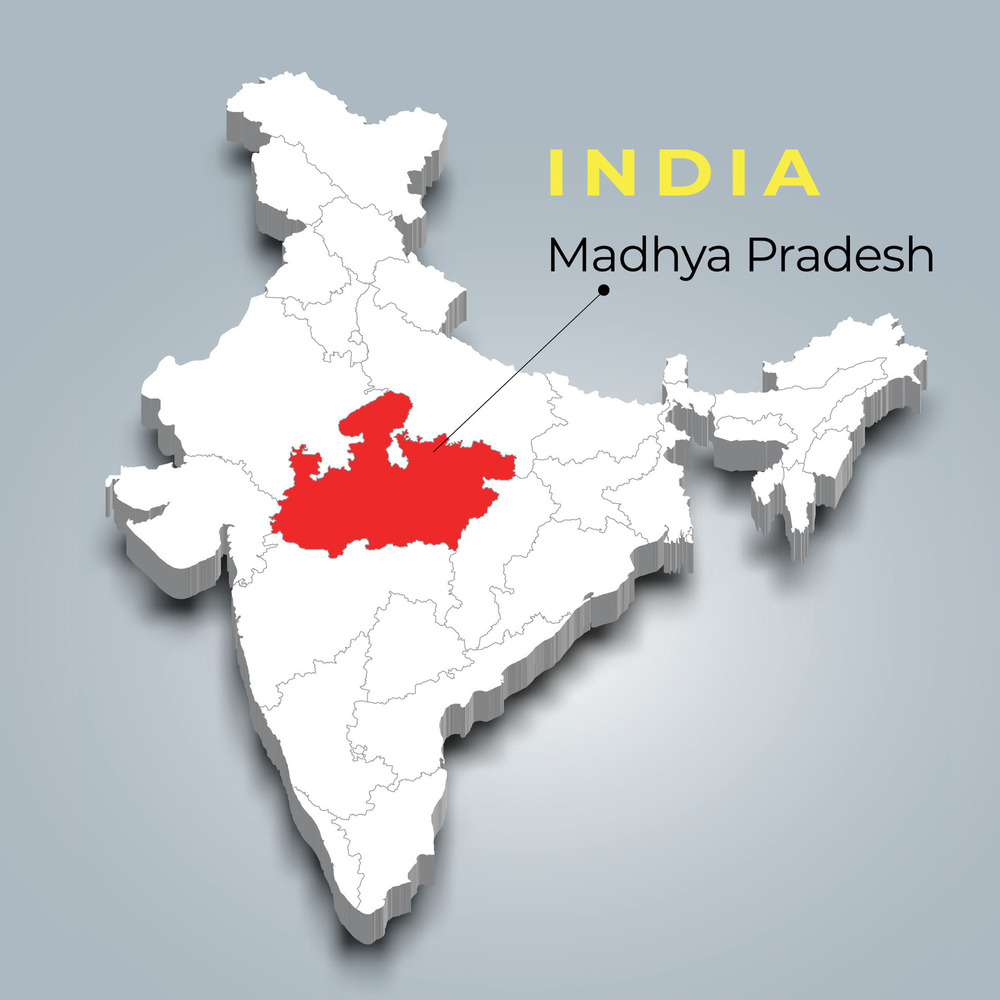
In a significant development in India’s ongoing efforts to reduce maternal mortality, Madhya Pradesh (MP) has reported a drop in its Maternal Mortality Ratio (MMR) to 159 per 100,000 live births, as per the latest data released by the Registrar General of India’s Sample Registration System (SRS). This marks a notable improvement from previous years, but healthcare leaders and experts caution that this achievement should not lead to complacency instead, it must spark urgent introspection and a stronger commitment to women’s health.
Madhya Pradesh, historically among the states with the highest maternal mortality figures, has shown steady progress thanks to expanded institutional deliveries, improved antenatal care, and enhanced frontline health worker outreach. Yet, despite the statistical decline, the MMR figure remains significantly higher than the national average of 89 and well above the Sustainable Development Goal (SDG) target of reducing MMR to below 70 by 2030.
Health experts are urging a deeper examination of the structural challenges that continue to put thousands of women’s lives at risk during pregnancy and childbirth. “A drop to 159 is progress, but it’s still a stark reminder that hundreds of mothers are dying in MP due to preventable causes,” said Dr. Neelima Khare, a leading maternal health expert and public health advocate. “Behind every statistic is a mother who never returned home. That must remain central to our response.”
Common contributing factors to maternal deaths in the state continue to include severe anemia, postpartum hemorrhage, sepsis, delayed referrals, and lack of timely emergency obstetric care, especially in tribal and remote regions. While schemes like Janani Suraksha Yojana and LaQshya have improved maternal care facilities in many public hospitals, access to quality care remains unequal across districts.
Public health officials have acknowledged that the fight against maternal mortality must now shift from mere service delivery numbers to quality, timeliness, and equity. “Our ASHA workers and nurses are working tirelessly, but we need to strengthen referral systems, ensure 24/7 blood banks, and upgrade rural primary health centers into facilities capable of handling emergencies,” said a senior official from MP’s Department of Health and Family Welfare.
Civil society voices and healthcare workers on the ground are also highlighting the urgent need for greater investment in adolescent health, nutrition, and community education. Many young women still enter motherhood with limited knowledge of reproductive rights, nutrition, and danger signs in pregnancy. “Maternal health is not just a medical issue it’s a socio-economic, cultural, and systemic challenge,” said Shweta Rawat, director of a grassroots NGO in Chhindwara.
The latest data brings both relief and responsibility. Madhya Pradesh’s health leadership is now expected to translate this progress into sustained, accelerated action, especially in high-burden districts. Innovations in digital maternal tracking, midwifery-led care models, and transport solutions for remote villages are being discussed as part of a broader roadmap.
As India marches toward its 2030 health goals, MP’s progress provides hope but also a cautionary tale. The lives of mothers cannot be reduced to a declining ratio. Each life saved and each life lost must drive the urgency to ensure that no woman dies giving life.