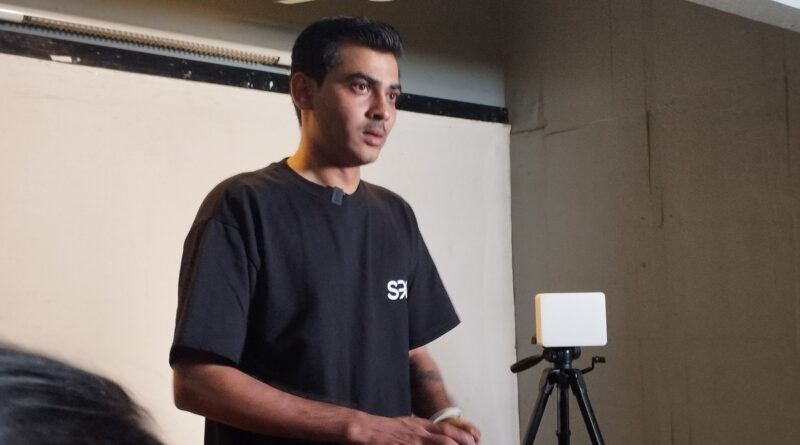

Neuroscientist Abhijeet Satani Uncovers the Impact of Social Media on Brain Activity
21st August 2025, Ahmedabad: In his Ahmedabad lab, neuroscientist Abhijeet Satani is studying the effects of social media on the human brain. His latest research, published in Cureus, reveals how short bursts of scrolling can

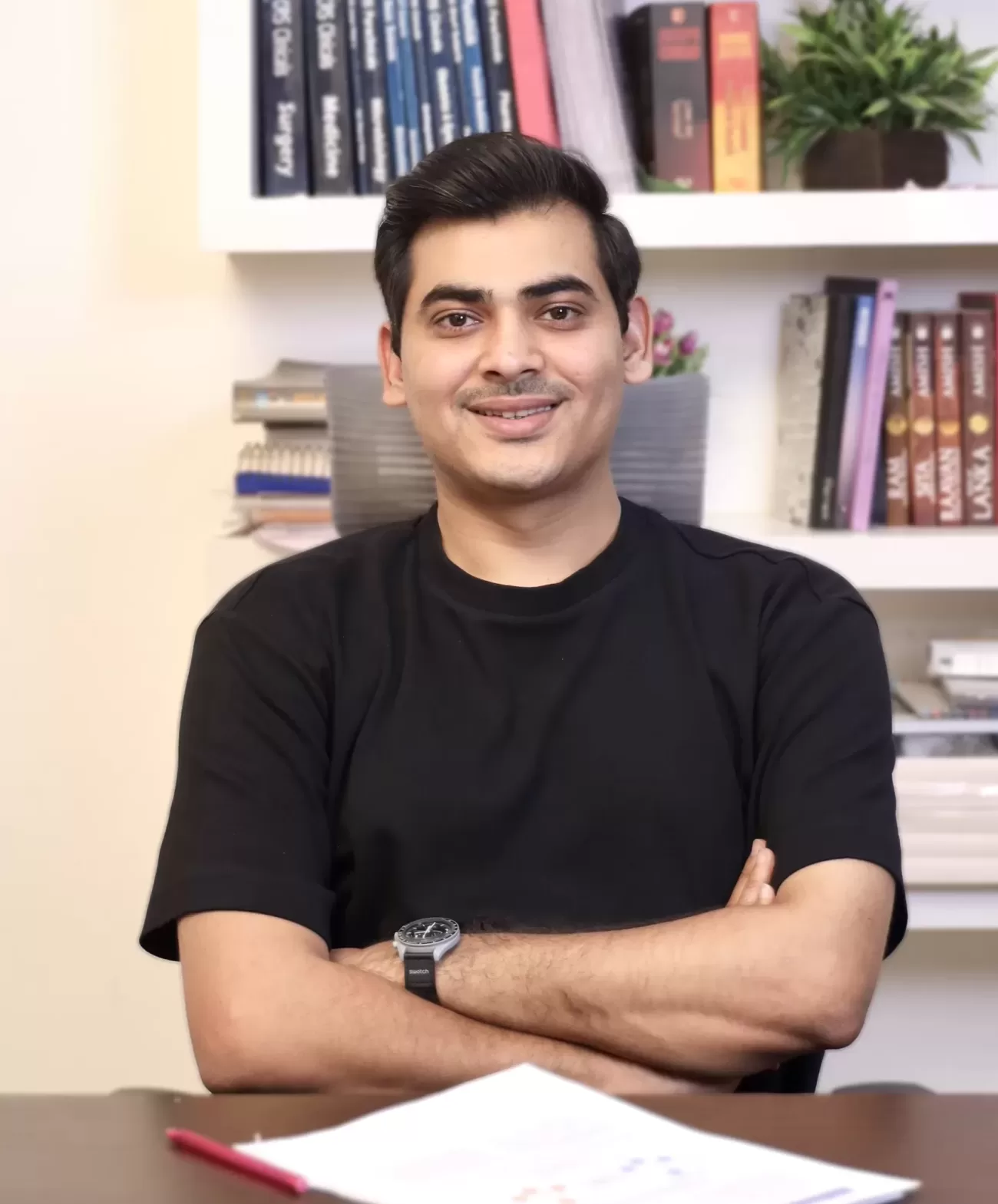
21st August 2025, Ahmedabad: In his Ahmedabad lab, neuroscientist Abhijeet Satani is studying the effects of social media on the human brain. His latest research, published in Cureus, reveals how short bursts of scrolling can alter brain activity. Satani’s study involved 100 healthy adults who used social media while wearing EEG caps to track their brain waves.
Abhijeet Satani’s fascination with the human brain was sparked early on by curiosity and a desire to apply neuroscience to real-world problems. Over a decade ago, he pioneered a brain-computer interface, filing a patent for a device that translates neural signals into machine commands. Granted in 2019, this innovation established Satani as a leading Indian researcher at the neuroscience-technology intersection. Now, he’s exploring how modern life’s digital stimulation is rewiring our brains.
The Satani Research Centre conducted a ground-breaking study involving 100 healthy adults (52 women, 48 men, aged 18-45, average age 27.4). Participants wore 24-channel EEG caps while engaging with social media on their devices for 30 minutes. The EEG tracked brain activity across five major frequencies: Delta, Theta, Alpha, Beta, and Gamma.
Key Findings
When participants encountered emotionally charged content, their Alpha waves decreased, indicating heightened cognitive and emotional engagement. Notably, Beta and Gamma waves surged during active engagement and persisted even after social media use ceased, suggesting a lingering state of heightened arousal in the brain. This study reveals the profound impact of social media on our neural activity. Moreover, the subsequent surge in Beta and Gamma waves – associated with problem-solving, alertness, and complex thought – persisted even after social media use ended. This suggests that the brain’s heightened arousal state lingers, leaving a lasting impact on neural activity.
Passive Browsing and Brain Activity
Passive scrolling led to increased Theta and Delta waves, associated with drowsiness, relaxation, and potential mental fatigue. EEG spatial mapping showed distinct patterns:
- Prefrontal cortex: Active during posting/interaction, indicating decision-making and self-control.
- Occipital cortex: Sustained engagement, processing visual information.
- Parietal cortex: Beta and Theta spikes during multitasking.
Implications
According to Satani, social media alters brain function at a fundamental level. The research reveals patterns similar to addictive behaviours, with prolonged Beta and Gamma elevation potentially impacting emotional regulation and calm focus. This could affect attention spans, mental resilience, and long-term emotional stability. Satani notes, “Social media doesn’t just change what we think — it changes how our brain fires.
As the world struggles with the mental health implications of constant connectivity, Satani’s findings highlight the need to acknowledge the hidden neurocognitive costs of social media. While it offers numerous benefits, perpetual brain stimulation may have long-term consequences. Satani aims to make his research accessible, mentoring young scientists, collaborating internationally, and sharing insights with the public.
What’s Next?
Satani’s goal extends beyond documenting brain responses. He seeks to help society adapt, advising tech companies on platform design and collaborating with policymakers on digital wellness initiatives. By doing so, he hopes to mitigate the potential negative effects of social media on mental health.
Satani approaches the topic with curiosity, noting, “The brain is adapting faster than our awareness. It’s time we understood what we’re doing to it — before the changes become permanent.” His research serves as both a warning and an invitation to examine the dynamic interplay between biology and technology. By paying closer attention to our screens and our brains, we can better navigate the evolving landscape of human-technology interaction.
In Satani’s lab, the EEG setup stands ready for the next participant, poised to capture the intricacies of human brain activity. As the digital world buzzes outside, Satani and his team focus on the subtle signals of the brain, tuning in to the quiet yet vital rhythms that govern our thoughts, emotions, and actions.
For a more detailed understanding, you can check the Research Paper here:
https://pubmed.ncbi.nlm.nih.gov/40777702/