
PLI Scheme for Bulk Drugs Saves ₹1,362 Crore in Imports: Government Report
Domestic production gets a boost as India steps closer to API self-reliance The Government of India has announced a significant milestone in its push for pharmaceutical self-reliance under the Production Linked Incentive (PLI) Scheme for Bulk
Domestic production gets a boost as India steps closer to API self-reliance
The Government of India has announced a significant milestone in its push for pharmaceutical self-reliance under the Production Linked Incentive (PLI) Scheme for Bulk Drugs, revealing that the initiative has led to import savings of ₹1,362 crore since its launch.
The announcement comes as a testament to India’s growing capacity to manufacture key active pharmaceutical ingredients (APIs), intermediates, and raw materials domestically—reducing its historical dependence on Chinese imports and strengthening national health security.
Reducing Dependence on China: A Strategic Priority
India, despite being a global leader in generic drug manufacturing, has long relied on China for around 70–80% of its bulk drug and intermediate needs. This dependency became a serious concern during the COVID-19 pandemic when supply chains were disrupted globally.
The PLI scheme, launched in July 2020 with a total outlay of ₹6,940 crore, was designed to encourage domestic manufacturing of critical key starting materials (KSMs), drug intermediates, and APIs in 53 priority products. This push was aimed at reviving India’s API manufacturing ecosystem through fiscal incentives and infrastructure support.
Progress Report: Domestic Manufacturing on the Rise
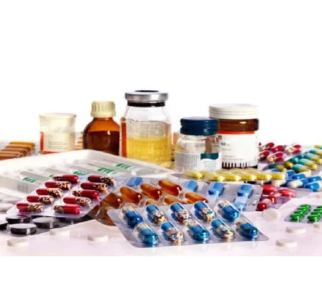
According to the Ministry of Chemicals and Fertilizers, 51 out of the 53 products identified under the scheme have already begun production. This includes critical APIs such as Penicillin-G, Paracetamol, Ibuprofen, Vitamin B1, Erythromycin Thiocyanate, and Dexamethasone, which were earlier largely imported.
Officials confirmed that these developments have not only helped lower India’s import bills by over ₹1,362 crore but also led to creation of thousands of jobs and increased capacity utilization in bulk drug parks across various states.
Creating a Competitive Domestic Ecosystem
Industry leaders and policymakers have credited the success of the scheme to a combination of financial incentives, ease of regulatory clearances, and state-level facilitation. The incentives—linked to incremental sales and quality compliance—have empowered manufacturers to invest in world-class facilities and adopt cutting-edge technologies.
States like Andhra Pradesh, Gujarat, Himachal Pradesh, and Telangana have emerged as bulk drug manufacturing hubs, hosting key projects under the scheme. The upcoming bulk drug parks in these states, funded under a separate ₹3,000 crore scheme, will further bolster backward integration and reduce cost of production.
Expert Reactions and Industry Impact
Welcoming the development, Dr. Pankaj Patel, Chairman of Zydus Lifesciences, said, “India is on the right path to secure its pharma future. The PLI scheme has not just revived domestic API production but also made Indian pharma more globally competitive.”
Healthcare analysts noted that reduced import dependence enhances not only price stability in the domestic market but also resilience against geopolitical supply chain shocks.
Way Forward: Scaling and Sustaining the Momentum
The government is now exploring Phase 2 of the PLI scheme, which will likely focus on innovation-led manufacturing, green chemistry, and export competitiveness. Policymakers are also considering integrating medtech and biopharma components under a broader framework to ensure India’s leadership across the entire pharma value chain.
The success of the bulk drugs initiative underlines the importance of long-term industrial policy that balances public health goals with economic and strategic interests—turning India from a global pharmacy to a global pharmaceutical powerhouse.