
Post-Union Budget 2026–27 Healthcare Industry Responds and the Road Ahead
Dr. Azad Moopen, Founder & Chairman, Aster DM Healthcare Today’s Budget lays out a thoughtful and forward-looking blueprint for India’s healthcare ecosystem—one that seamlessly integrates innovation, access, capacity expansion and global competitiveness. The Biopharma Shakti initiative,


Dr. Azad Moopen, Founder & Chairman, Aster DM Healthcare
Today’s Budget lays out a thoughtful and forward-looking blueprint for India’s healthcare ecosystem—one that seamlessly integrates innovation, access, capacity expansion and global competitiveness. The Biopharma Shakti initiative, with an outlay of ₹10,000 crore over five years and a clear focus on strengthening research, manufacturing and regulatory capabilities, will play a pivotal role in accelerating India’s journey towards advanced, affordable and globally benchmarked healthcare solutions. The exemption of basic customs duty on 17 critical cancer drugs is a timely and patient-centric measure that will significantly improve access to life-saving therapies while easing the financial burden on families.
The Budget’s strong emphasis on healthcare infrastructure is equally encouraging. The proposed 50 percent capacity expansion of district hospitals, combined with targeted investments in tertiary care through the expansion of NIMHANS 2.0 in North India and the addition of three new AIIMS facilities, will meaningfully strengthen care delivery across both urban and underserved regions. These measures reinforce the government’s commitment to building a more resilient, inclusive and future-ready public health system.
Importantly, the Budget recognises healthcare as a powerful engine of employment and social impact. The announcement of 1,00,000 Allied Health Professionals (AHPs), alongside the training of 1.5 lakh caregivers, supported by structured skilling initiatives, AI-enabled training pathways and digital health programmes, marks a decisive step towards building a large, skilled and future-ready healthcare workforce. This integrated approach will help support an ageing population, specialised care needs and emerging models of care delivery. Together with the continued push for medical hubs, medical value tourism, and a sharper focus on mental and digital health, these initiatives firmly position India as a globally trusted healthcare destination with sustainable long-term growth potential.
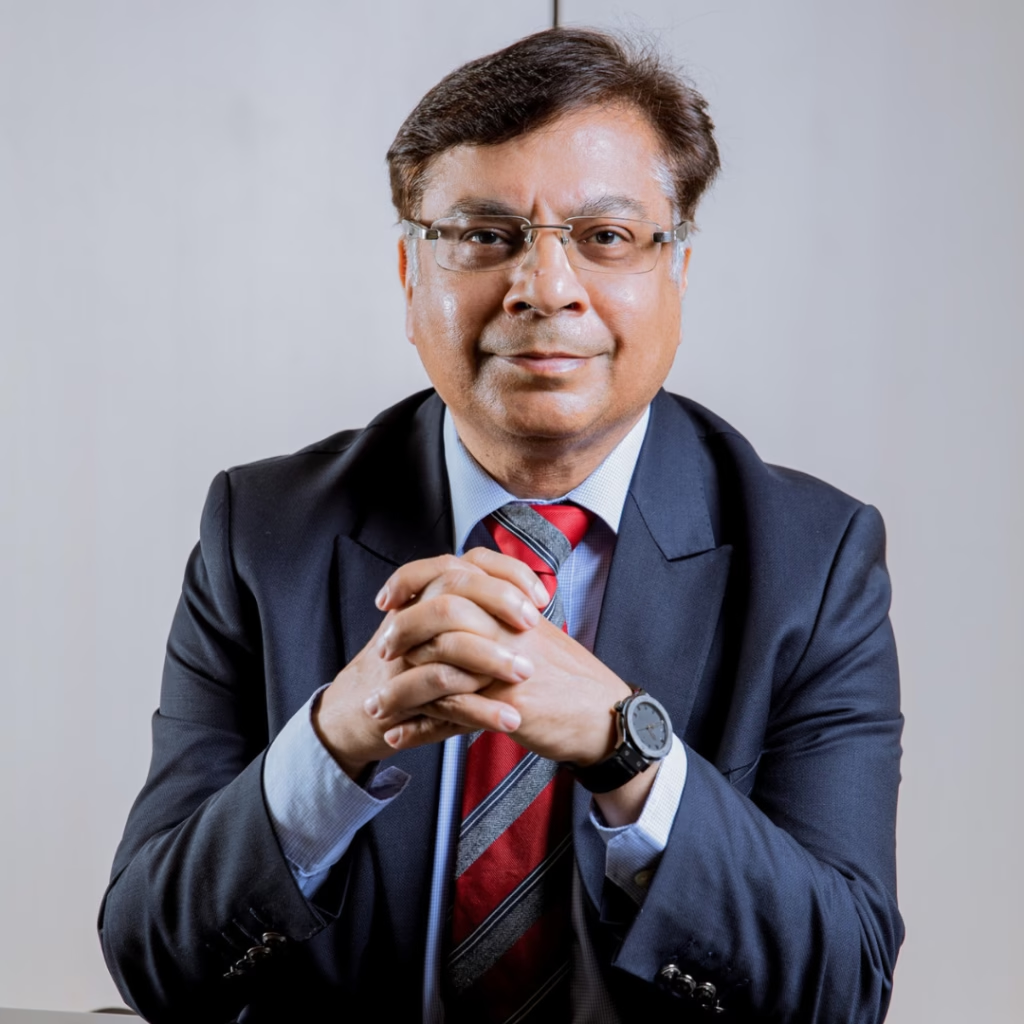
Post-Union Budget 2026–27: Post-Union Budget 2026–27: Mr. Rajiv Nath, Forum Coordinator, Association of Indian Medical Device Industry (AiMeD), on Union Budget 2026
The Union Budget 2026 sends a strong and credible signal of India’s commitment to building a globally competitive life-sciences ecosystem. The announcement of Biopharma Shakti with a ₹10,000-crore outlay over five years is a landmark step towards positioning India as a global biopharma manufacturing hub, particularly in biologics and biosimilars, which are critical for improving longevity and quality of life at affordable costs.
The proposed creation of a biopharma-focused network, establishment of three new NIPERs, upgradation of seven existing institutes, and a nationwide network of 1,000 accredited clinical trial sites will significantly strengthen India’s research, talent, and clinical validation capabilities. These measures address long-standing structural gaps across the innovation-to-manufacturing continuum.
Equally important is the Budget’s emphasis on strengthening the Central Drugs Standard Control Organisation (CDSCO) through dedicated scientific review capacity, domain specialists, and time-bound approvals, which is essential for regulatory predictability, global alignment, and investor confidence.
For India’s $50-billion pharmaceutical industry, which contributes nearly 2.5% to GDP, this Budget reinforces the shift from volume-led growth to value- and innovation-driven leadership. Complementing these initiatives with restoration of Weighted R&D Deduction up to 200% and expansion of PLI support to advanced modalities, APIs, biosimilars, and complex generics would further accelerate domestic manufacturing, reduce import dependence, and position India as a trusted global supplier of high-quality, affordable biopharmaceutical solutions. In the past such incentives were at times also shared by the biomedical devices and medical equipment. We look forward to continuity of reforms to make manufacturing competitive by the assurance given by Honourable FM on deregulation and reduction of regulatory compliance burden so that we can become globally competitive and take advantage of the recent FTAs with EU, EFTA & UK

Post-Union Budget 2026–27: Dr Rajiv Chhibber Joint Forum Coordinator, AIMED
“The Union Budget 2026 sends a clear and strong signal that India is ready to lead global healthcare manufacturing through Make in India, Atmanirbhar Bharat and technology-led innovation. Flagship announcements such as the ₹10,000 crore Biopharma Shakti initiative, expansion of research institutions, creation of national clinical research infrastructure and strengthening of CDSCO towards global regulatory benchmarks will directly enhance India’s credibility as a high-quality, innovation-driven MedTech and life sciences manufacturing destination. Policy steps such as rationalisation of duties on critical therapies including cancer drugs and increased focus on assistive and patient-centric technologies further reinforce the government’s commitment to accessible and advanced healthcare.”
“At a time when India is deepening global economic engagement through FTAs with key regions including Europe and other strategic partners, this Budget provides the domestic manufacturing strength required to fully leverage these trade opportunities. For the medical devices sector, this is a decisive moment to scale exports, strengthen supply chains and position India as a trusted global partner in cardiovascular, diagnostic, implantable and high-technology medical devices. With continued policy-industry alignment, India is well positioned to transition from import substitution to global MedTech leadership while supporting national healthcare priorities and global health security.”

Post-Union Budget 2026–27: Mr Bhargav Kotadia, Co Chair FICCI Medical Devices Committee & MD & CEO Sahajanand Medical Technologies Ltd
The Union Budget 2026 sends a strong and forward-looking signal for India’s healthcare and MedTech ecosystem. The launch of the ₹10,000 crore Biopharma Shakti scheme to build India into a global biopharmaceutical manufacturing hub is particularly significant, especially as the nation’s disease burden shifts towards non-communicable diseases such as diabetes, cancer and autoimmune disorders. Along with this, the expansion of NIPER infrastructure, creation of a nationwide network of 1,000 clinical trial sites, and strengthening of CDSCO to global standards will significantly improve India’s quality research, regulatory and innovation competitiveness. These measures will not only strengthen India’s healthcare security but also create strong upstream demand for advanced diagnostics, implants, and medical technologies.
From a medical devices perspective, the Budget reinforces the vision of Atmanirbhar Bharat and accelerates India’s journey towards Viksit Bharat 2047. Investments in research infrastructure, clinical ecosystems, workforce development including allied health and caregiver training, and the development of integrated medical hubs will create a strong domestic demand environment while boosting global export competitiveness. The policy direction clearly positions India as a trusted global partner in advanced healthcare manufacturing and innovation, and will catalyse deeper industry–academia collaboration, faster technology adoption, and stronger integration of MedTech into India’s evolving NCD care continuum.

Post-Union Budget 2026–27: Anjan Bose, Founding Secretary General,NATHEALTH, Former President of Philips Healthcare & Consumer Lifestyle & Advisor/Mentor
“It is quite heart-warming and encouraging to see the focus on Healthcare in Union Budget 2026… Announcement of Biopharma Shakti with a 10000 crore outlay to address India’s disease burden shifting towards NCD’s, promoting India as a Medical Tourism hub through scheme for supporting states to set up 5 Regional Hubs, proposing intervention in 6 sectors including Healthcare and Advance Technology are examples of this much-needed emphasis on Healthcare…Setting up of more NIMHANS, training of 1.5 lakh caregivers,setting up new Institutes of Ayurvada,increasing focus on skill development, allied and geriatric segments, import duty rationalisation on cancer drugs…all these should add further to overall efforts towards fulfilling our “India – a Healthy Nation” dream.
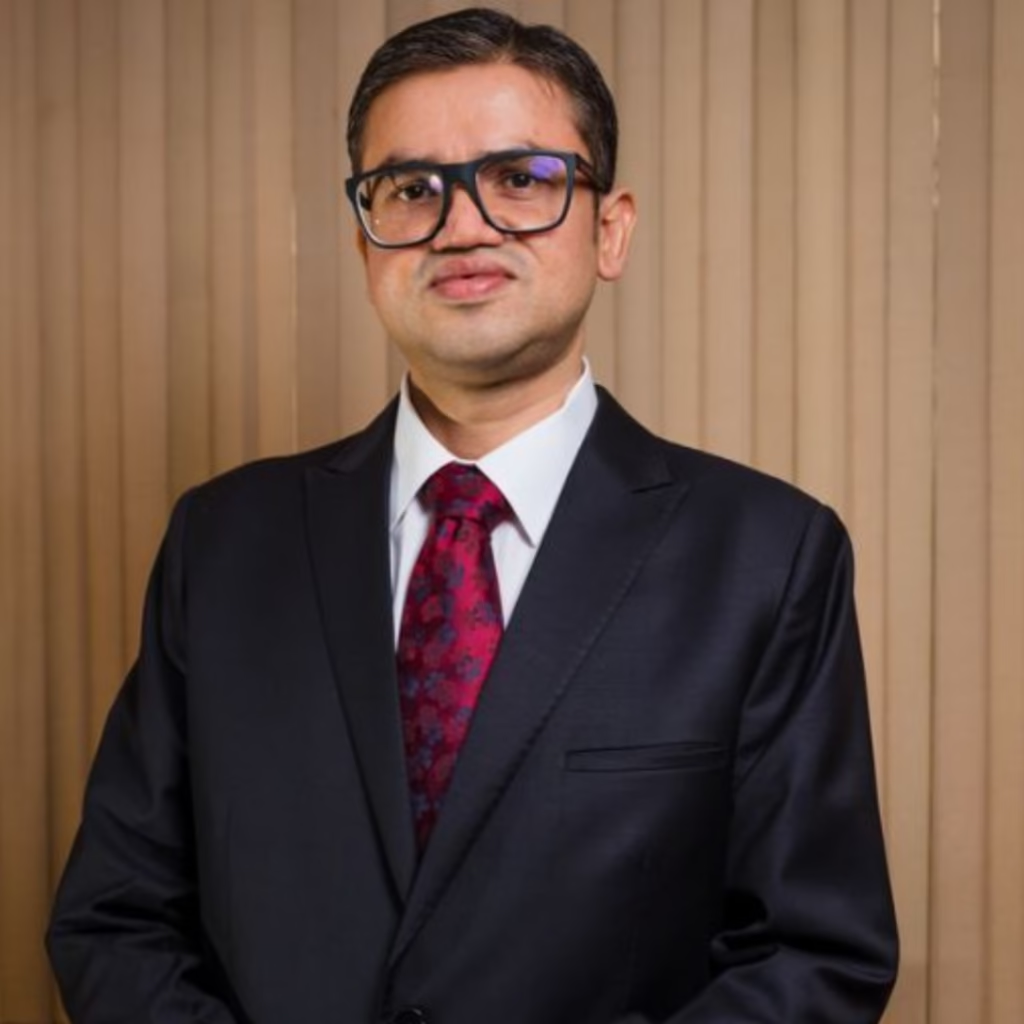
Post-Union Budget 2026–27:
MEDTECH INDUSTRY REACTION – UNION BUDGET 2026
Encouraging Structural Momentum for Healthcare and Diagnostics
Jatin Mahajan PresidenAssociation of Diagnostics Manufacturers of India (ADMI)
The Union Budget 2026–27 presents a constructive and forward-looking agenda for India’s healthcare and manufacturing sectors, signalling the Government’s continued commitment to transforming the nation’s health ecosystem. Today’s Budget reinforces strategic priorities in preventive care, digital health, manufacturing competitiveness, and human capital development. These are all vital to the IVD/MedTech industry’s evolution.
A landmark initiative in this Budget is the launch of Biopharma Shakti, backed by an allocation of ₹10,000 crore to strengthen domestic life sciences and biomanufacturing capacity. Its emphasis on quality systems, standardisation and global benchmarking will have a direct and positive impact on the IVD and MedTech sector. Aligning Indian manufacturing with global regulatory frameworks is essential for export competitiveness, enabling domestic products to compete more effectively in regulated global markets and reinforcing trust in Indian healthcare technologies.
Equally significant is the Government’s push to promote chemical and manufacturing parks across the country. For the diagnostics industry, which still relies heavily on imported raw materials, reagents and components, this infrastructure expansion can reduce supply vulnerabilities, lower production costs and support domestic value creation. Over time, these parks can help build a stable base of Indian raw materials, strengthening India’s ambition to be a global manufacturing hub for diagnostics and medical devices.
The Budget also recognises the central role of skill development in realising healthcare transformation. Enhancing training ecosystems for allied health professionals, including lab technicians, biomedical engineers, quality assurance specialists, and diagnostic operators, will be critical to ensuring that advanced technologies and expanded testing capacity translate into high-quality outcomes. A skilled workforce is foundational to scaling diagnostics access across urban, semi-urban, and rural settings and to supporting the adoption of medical-assistive devices and complex technologies.
Today’s emphasis on disease detection, preventive health, and diagnostic infrastructure aligns with broader calls from industry and public health stakeholders for deeper integration of early screening and diagnostic services into the mainstream healthcare delivery system. Preventive diagnostics, including AI-enabled tools, genomic screening platforms, and community-level centres, are essential to shift India’s care model from reactive treatment to proactive health management, thereby lowering disease burden and overall system costs over time.
While the Budget makes important strides, structural reforms remain necessary to unlock the IVD/MedTech industry’s full potential. Rationalising inverted duty structures, enabling faster regulatory pathways, expanding targeted export incentives and offering dedicated fiscal support for medical-assistive device development and clinical validation will be key to sustaining momentum. Clear policy frameworks for Production Linked Incentive (PLI) expansions in diagnostics and structured R&D funding would further strengthen India’s competitiveness. Overall, the Union Budget 2026 presents several positive and pragmatic steps for healthcare manufacturing, skill building, and diagnostics. These initiatives, if implemented with structural clarity and robust stakeholder engagement, can accelerate India’s progress toward a healthy, innovative and globally competitive MedTech and diagnostics ecosystem.

Post-Union Budget 2026–27: Statement from Rishubh Gupta, Managing Director – India and Neighbouring Markets, Roche Diagnostics India Pvt Ltd on Union Budget 2026-27
“The Union Budget 2025–26 takes meaningful steps to strengthen India’s healthcare ecosystem while preparing it for evolving patient and system needs.
Stronger regulatory frameworks, faster approvals, and the expansion of healthcare capacity through regional medical hubs beyond metros—along with a skilled allied healthcare workforce—will help improve access to advanced care at scale, strengthen clinical decision-making, and enhance patient outcomes.
As national institutions, including mental health services, are strengthened, robust diagnostics and equitable investment in screening remain critical to enabling early, accurate diagnosis and effective disease management.
Together, these measures reinforce India’s ambition to emerge as a trusted global healthcare hub as it advances toward Viksit Bharat 2047.
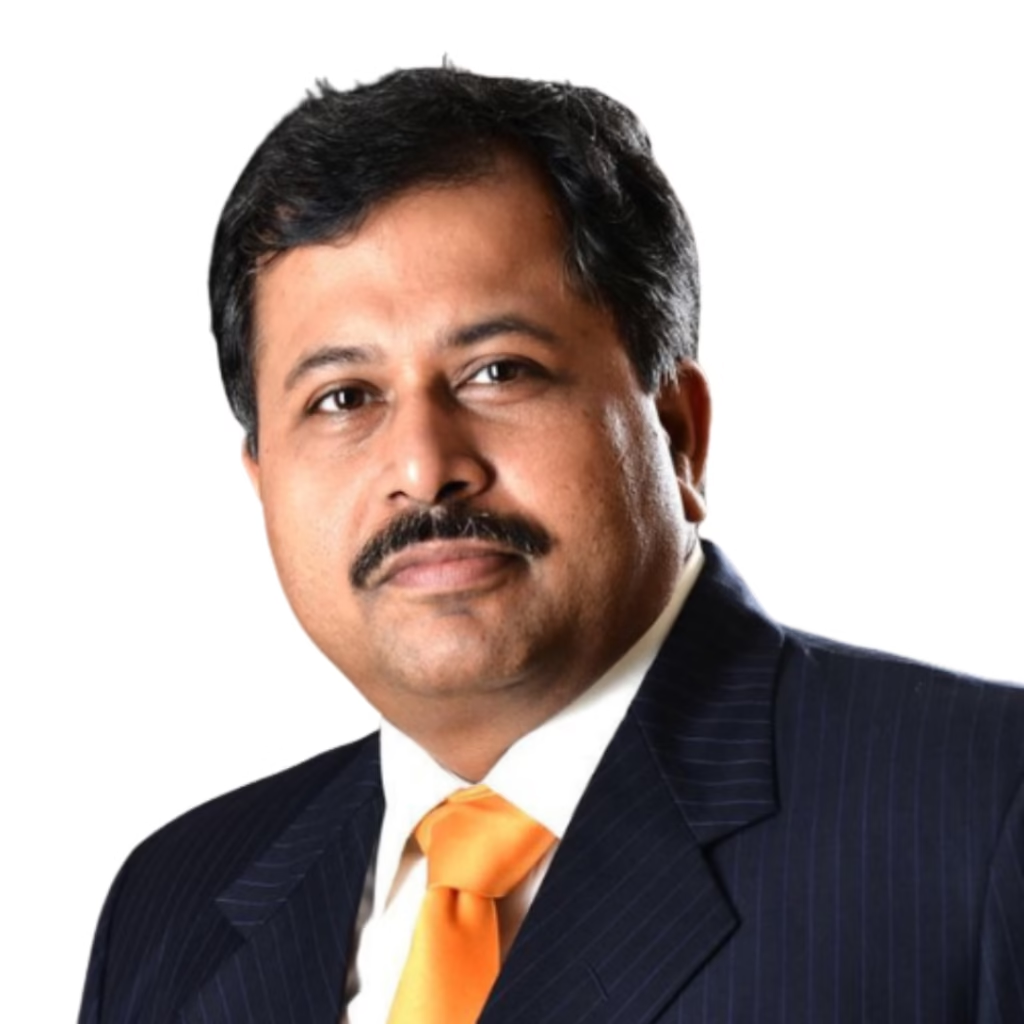
Post-Union Budget 2026–27: Mr. Joy Chakarborty, COO, P.D. Hinduja Hospital & Medical Research Centre.
“The Union Budget 2025-26 gives much needed structured clarification to healthcare delivery. From an operational perspective, the plan to establish 1,000 accredited clinical trial sites. Combined with duty exemptions on life-saving drugs, reduced costs of diagnostic equipment, and faster access to advanced therapies through a stronger biopharma ecosystem, the budget enables hospitals to plan capacity expansion, technology adoption and patient-centric care delivery with greater operational certainty and affordability at the core.
Special focus has been given in this budget on developing a strong healthcare ecosystem for Senior Care. To support the requirements of elderly care, access to relevant training programs will be critical to upskill healthcare workforce to cater to this growing patient pool in the country. At the same time, making assisted devices available in the market is equally important. Focus and thrust on AI and technology can help provide practical and cost-effective solution to several unsolved problem for elderly.
The proposed NIMHANS-2 and new All India Institutes of Ayurveda further strengthen specialised and integrated care pathways. Initiatives such as district-level day-care cancer centres, a 50% capacity increase in district hospitals through emergency and trauma care centres, and the creation of five regional medical hubs will significantly decongest tertiary hospitals while strengthening emergency care system. Faster clinical trial approvals and strong domestic biopharma ecosystem also mean quicker access to newer biologics and more predictable supplies.
Crucially, the budget outlines a wide spectrum of structured career pathways, particularly in health and care services. In the healthcare sector, Allied Health Professional (AHP) education will be expanded across 10 selected disciplines, including optometry, anaesthesia technology, applied psychology and behavioural health. Additionally of 1 lakh allied health professionals and training of 1.5 lakh caregivers directly addresses one of the most pressing operational challenges strengthening the healthcare workforce pipeline and continuity in care, which is critical for sustaining quality outcomes throughout.”
Post-Union Budget 2026–27: Budget Reaction from Pharma and MedTech Sector

Post-Union Budget 2026–27: Nikkhil K. Masurkar, CEO, ENTOD Pharmaceuticals
The Union Budget 2026 reinforces healthcare and biopharma as India’s strategic growth pillars, with the ₹10,000-crore Biopharma Shakti programme landmark for boosting domestic biologics/biosimilars manufacturing amid rising cancer, diabetes, and autoimmune burdens. Over 1,000 new clinical trial sites, NIPER upgrades, and CDSCO global-standard strengthening will enhance research depth, regulatory robustness, and competitiveness.
Patient-centric wins include duty exemptions on lifesaving cancer/rare-disease drugs for immediate relief, plus medical value tourism, mental health infrastructure, allied workforce skilling, and digital integration for holistic delivery. From an industry and MSME perspective, while the overall direction is strongly positive, there remains an opportunity to further catalyse innovation.
Expanding allocations under the PRIP framework and reinstating a 200% weighted R&D tax deduction for in-house pharmaceutical research would significantly accelerate private-sector investment in high-risk areas such as biologics, biosimilars, novel drug delivery systems and complex therapies.
Overall, Budget 2026 builds a solid foundation for affordable, innovation-led healthcare, positioning India for global biopharma leadership.

Post-Union Budget 2026–27: Mr Deepak Sharma, Co-founder & CEO of MedLern
The Union Budget 2026–27 demonstrates a strong commitment to India’s healthcare and services ecosystem by centering skilling, institutional capacity-building, and employment on NSQF, aligned programs to train 1.5 lakh multi-skilled caregivers, directly tackling workforce shortages in geriatric, palliative, and allied care amid a rapidly aging population. Equally strategic is the High-Powered ‘Education to Employment and Enterprise’ Standing Committee for services, bridging academic curricula with AI-driven tools, digital health platforms, and real-world demands to propel India toward global services leadership.
This talent foundation extends to the proposed clinical research sites, which introduce specialized roles to grow India’s talent pool, accelerate new drug market entry, and cement the nation as a life sciences innovation hub, while new Ayush AIIMS centers elevate the credibility, reach, and global impact of India’s holistic treatment strengths.
Strengthened professional institutions, industry-led research/training centers, and ‘corporate mitras’ for compliance, targeted at Tier II/III cities, unlock inclusive talent pipelines, enabling seamless transitions from training to deployment in home care, diagnostics, and telemedicine. These pair powerfully with five regional medical hubs and integrated infrastructure expansions, ensuring skilled professionals span the care continuum from preventive wellness to advanced treatments. Overall, this fiscal prudence fused with human capital investment forges a resilient, efficient, and competitive healthcare services ecosystem primed for scalable excellence.

Post-Union Budget 2026–27: Mr. Madhusudhan HK, Country Manager of Aerolase
The Union Budget 2026 lays a strong foundation for India’s med-tech sector growth, directly benefiting patients, providers, and the healthcare ecosystem by making global-level technological solutions accessible through rationalized import duties on advanced medical devices, applauding alongside the price reductions for importing 17 key medicines, including those for cancer and diabetes. These duty cuts, coupled with support for domestic manufacturing and exports, enable clinics to deploy cutting-edge lasers and diagnostics affordably, while streamlined regulations accelerate approvals for innovations like Aerolase’s high-power aesthetic systems. Incentives for technology adoption and clinical training empower seamless integration, enhancing precision in dermatology, pain management, and chronic care, as infrastructure scales nationwide. Overall, these measures drive efficient, accessible care, fuel a robust med-tech industry, and position India as a global health innovation hub.

Post-Union Budget 2026–27: Aditya Kandoi, Founder & CEO, Redcliffe Labs
“Union Budget 2026 reflects a powerful shift in how India thinks about health, moving from treating illness to preventing it before it disrupts lives. The focus on diabetes, cancer, and autoimmune diseases acknowledges a reality millions of families face every day and reinforces the urgent need for early detection, regular screening, and proactive care.
Strengthening the CDSCO is a crucial step toward building deeper trust in India’s healthcare system. For patients, it means safer access to high-quality, innovative therapies. For the country, it strengthens our credibility as a global healthcare destination.
The proposal to develop new regional medical centers is equally significant, bringing advanced healthcare closer to communities beyond metros. When combined with technology-led diagnostics and affordable access, these measures can fundamentally change health outcomes at scale.
By expanding access, strengthening quality, and prioritizing prevention, this budget takes a much-needed step toward a healthier, more self-reliant India where good health is not a privilege, but a promise.”
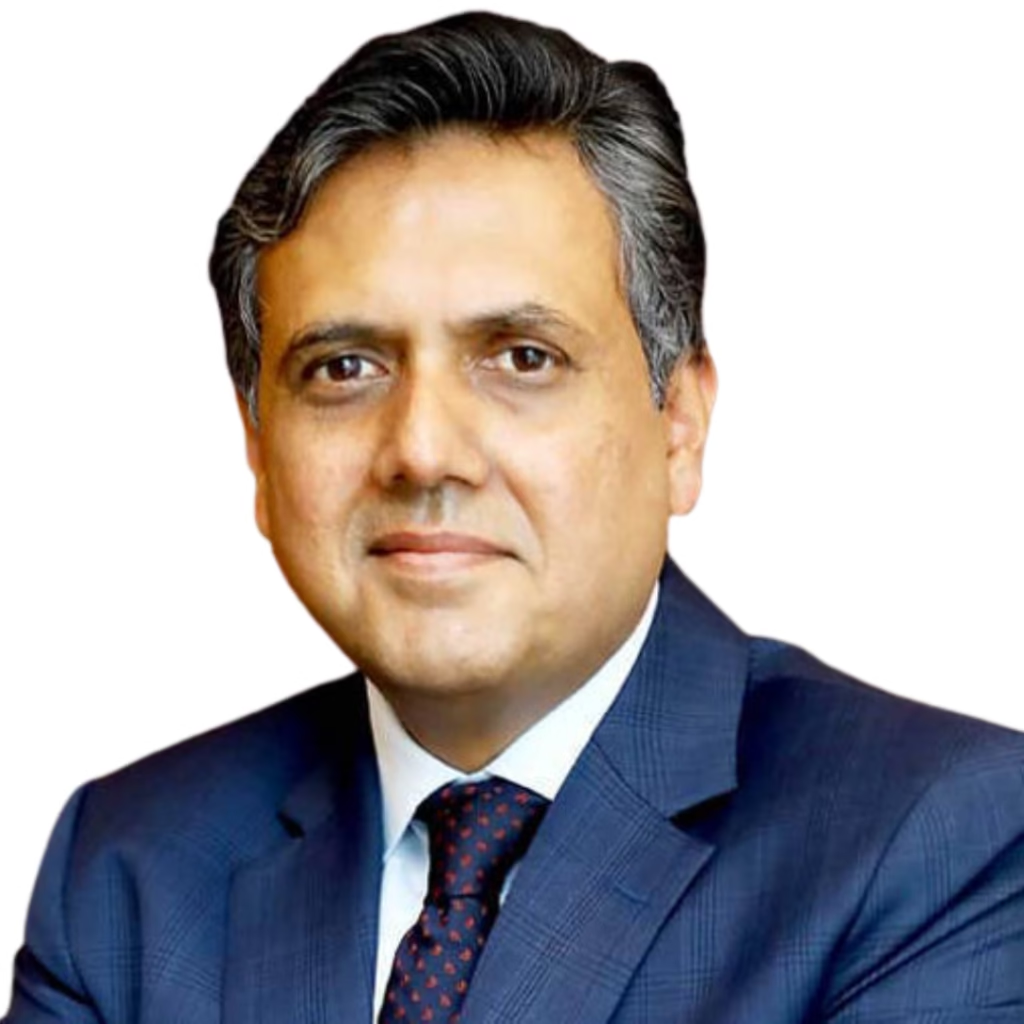
Post-Union Budget 2026–27: Anish Bafna, CEO & MD, Healthium Medtech., sharing his perspectives on the key healthcare-related announcements in the Union Budget 2026–27.
“The Union Budget 2026 underscores healthcare as a central pillar of India’s development agenda, highlighting it as a key national duty.
With initiatives such as Biopharma Shakti, the creation of regional medical hubs, upgrading of AYUSH infrastructure, proposal to support the Artificial Limbs Manufacturing Corporation of India and the introduction of new allied health disciplines, the Budget takes a comprehensive approach to strengthening the sector across research, innovation, skill development and infrastructure.
These measures signal a clear commitment to fostering self-reliance and enhancing domestic capabilities in ways that directly transform patient care and elevate quality of life.
By prioritizing innovation, workforce development and robust infrastructure, the 2026 Budget lays the foundation for a more resilient, patient-centric, and technologically advanced healthcare system, poised to meet India’s growing health needs in the years ahead.”
Post-Union Budget 2026–27: Mr. Pavan Choudary, Chairman, Medical Technology Association of India (MTaI), commenting on Union Budget 2026
“Union Budget 2026 reflects a shift from episodic healthcare spending to long-term capacity building. The thrust on Health Advancement through Knowledge, Technology and Innovation under the BioPharma SHAKTI initiative – backed by a ₹10,000 crore commitment – along with the strengthening of CDSCO’s regulatory and execution capabilities, expansion of NIPERs, and large-scale skilling of allied healthcare professionals, signals a systemic deepening of India’s health infrastructure, regulatory credibility, and human capital.
Equally significant for the MedTech sector is the enhanced allocation of ₹40,000 crore for electronics component manufacturing, which will accelerate domestic value addition in medical electronics and diagnostics. Investments across advanced biopharma manufacturing, clinical research infrastructure, district-level oncology care, expanded medical education, and new critical care blocks point to a balanced approach that aligns industrial ambition with patient outcomes.
That said, the Budget would have been stronger had it paired these fiscal commitments with explicit administrative and process reforms. Cleaner, more accountable execution on the ground, would improve outcomes at point of delivery – and attract globally compliant capital and partnerships into the sector.”

Post-Union Budget 2026–27: Varun Khanna, Group MD Quality Care India Ltd
“The Union Budget 2026-27 is a reform-driven blueprint that demonstrates the government’s long-term alignment with the vision of Viksit Bharat through sustained growth, fiscal discipline and people-centric development. The focus on establishing five hubs for Medical Value Tourism in partnership with the private sector, creating integrated regional medical hubs with diagnostics, post-care and AYUSH services, upgrading and setting up new institutions for Allied Health Professionals, and training 1.5 lakh multi-skilled caregivers will significantly strengthen India’s care ecosystem, including much-needed geriatric and allied care. The creation of new All India Institutes of Ayurveda and the upgradation of the WHO Global Traditional Medicine Centre reflect a progressive approach to integrating modern and traditional systems of medicine. Equally encouraging are the reduction of TCS from 5% to 2% for education and medical purposes, the strong thrust on Biopharma SHAKTI to accelerate domestic biologics manufacturing, and the exemption of basic customs duty on 17 cancer medicines, which together improve affordability, self-reliance and patient access. Anchored in a socially and economically conscious framework, and supported by continued investments in infrastructure beyond Tier 1 cities, digital enablement and public-private collaboration, this Budget lays a robust foundation for a resilient, patient-centric and globally competitive healthcare ecosystem.”
Post-Union Budget 2026–27: Dr Puneet Khanduja- Lead, Health & Nutrition, MicroSave Consulting (MSC)

“The Union Budget 2026–27 signals a decisive shift toward strengthening India’s healthcare ecosystem through targeted investments in biopharma manufacturing, health workforce expansion, regional equity in care access, and the institutional scaling of both modern and traditional systems.
The proposed Biopharma Shakti initiative and NIPER strengthening can accelerate India’s leadership in advanced therapeutics, while the allied health and regional hub announcements address critical service delivery and workforce gaps. The continued investment in Ayush, including strengthening the WHO Global Traditional Medicine Centre in Jamnagar, underscores India’s ambition to position traditional medicine within global health and wellness systems, provided quality and evidence frameworks are reinforced.
Prioritisation of mental health through the proposed National Mental Health Institute and NIMHANS 2, reflects growing recognition of digital-era wellbeing challenges. Such announcements create a strong platform for systemic reforms. However, their impact will depend on effective state-level implementation, regulatory alignment, and integrated models that translate policy intent into actionable institutional expansion and overall equitable health outcomes.”
Post-Union Budget 2026–27: Dr. Tarang Gianchandani, Group CEO Healthcare Initiatives and Chief Executive Officer
“Budget 2026 offers a positive and people-centric approach to the healthcare system in India, with proposals that have the potential to bring a positive change in the lives of patients and their families. Improving the growth of biologics and biosimilars, including 17 key drugs for non-communicable diseases such as cancer, diabetes, and autoimmune diseases, will ensure that better treatments are available and affordable, providing relief to patients suffering from chronic diseases.The development of regional medical centers means that specialized care is brought closer to the communities, including those that are underserved and remote, making it easier for families to access the care they need without having to travel long distances. The incorporation of Ayurveda, wellness programs, and a longevity approach to healthcare means that the focus is on preventive care and overall wellness, helping patients live healthier and longer lives. Improving geriatric care and mental health programs through NIMHANS 2.0 will provide aid to the elderly and patients suffering from mental health issues. At Sir H.N. Reliance Foundation Hospital, our focus has always been on advancing science, holistic wellbeing, longevity, and the mental health of patients and caregivers — from vision to execution. This year’s Budget provides strong support for these priorities and helps us further our mission to positively impact health, wellness, and longevity across India”

Post-Union Budget 2026–27: ISIC Multispecialty Hospital Launches State-of-the-Art Sports Injury Clinic: India’s most advanced sports injury clinic offering a fully integrated continuum
New Delhi, January 30th, 2026: ISIC Multispecialty Hospital, renowned for its spine, orthopaedic, and musculoskeletal care, has strengthened its advanced care portfolio with the launch of a dedicated Sports Injury Clinic, offering comprehensive, patient-centric management. Designed to go beyond conventional treatment, the clinic combines professional movement and biomechanical assessments with cutting-edge diagnostics to identify “weak links” in the body that may cause injuries or recurrence. The medical team employs non-invasive and minimally invasive techniques, including Arthroscopy, Minimally Invasive Spine Surgery (MISS), PRP, Stem Cell Therapy/BMAC, and Prolotherapy—to ensure precise treatment, faster recovery, and long-term results. From prehabilitation and accurate diagnosis to surgical excellence and data-driven rehabilitation, the clinic provides a truly end-to-end care experience.
Built on the philosophy that movement is medicine, the clinic integrates advanced technology with expert-led care to optimize recovery. At its core is the TecnoBody Digital Movement Laboratory, featuring a Digital Mirror Wall, 3D cameras, and real-time biofeedback that give instant visual cues to correct posture and movement during exercises. Walker View Gait Analysis assesses walking and running patterns, identifies movement imbalances, and improves overall posture, while ProKin Balance Platforms provide proprioceptive training to help the brain control the body—essential for recovery from injuries like ankle sprains or ACL tears.
The clinic’s capabilities are further enhanced by hydrotherapy, low-impact recovery programs, advanced robotics, and 7K visualization systems, ensuring precision and safety in treatment. Rehabilitation is delivered exclusively by Masters-level physiotherapists using neuromuscular training techniques, complemented by naturopathy and evidence-based clinical nutrition to support faster healing, optimal performance, and long-term resilience.
The launch comes at a time when sports-related injuries are rising steadily across India. Studies indicate that nearly half of people engaged in regular physical activity across India experience musculoskeletal injuries, predominantly affecting knees (around 28%), ankles (18%), shoulders (10%), and spine (13%), with ACL injuries among young athletes surging over 400% in the past two decades due to early specialization and inadequate rehabilitation. Experts note that the lack of integrated sports medicine infrastructure often leads to incomplete recovery, repeated injuries and shortened athletic careers—gaps this clinic aims to address.
Commenting on the launch, Ms. Sugandh Ahluwalia, Chief Strategy Officer, ISIC Multispecialty Hospital, said: “ISIC’s legacy has always been built on restoring movement and function through advanced spine and orthopaedic care. The Sports Injury Clinic is a natural extension of that philosophy, where prehabilitation and rehabilitation are not add-ons but the core of recovery. By integrating early conditioning, precise movement analysis and masters-led rehabilitation, we are ensuring athletes are prepared even before injury or surgery and supported well beyond it—so recovery is stronger, safer and sustainable over the long term.”
Dr. Ashish Chandra, Chief Operating Officer, ISIC Multispecialty Hospital, added: “As ISIC continues to grow, our focus remains on building advanced, future-ready centres of care. The Sports Injury Clinic reflects this evolution—bringing together minimally invasive surgery, robotic rehabilitation, digital motion labs, hydrotherapy and regenerative therapies under one roof. This integrated ecosystem allows us to offer athletes access to the same level of advanced sports medicine and recovery protocols seen at leading global institutions.”
With the launch of the Sports Injury Clinic, ISIC Multispecialty Hospital reinforces its position as a centre of excellence in advanced orthopaedic and sports medicine care, offering athletes a comprehensive, future-ready platform dedicated to recovery, performance and long-term athletic health.

Post-Union Budget 2026–27: Dr Ashish Joshi, Director, Co-founder and Medical Oncologist, M|O|C Cancer Care and Research Centre
” This Budget brings tangible relief for cancer patients. The exemption of basic customs duty on 17 critical cancer drugs, along with the inclusion of seven additional rare diseases under import duty exemption for personal medical use, will directly reduce treatment costs for many patients who rely on imported therapies.
With India recording over 14 lakh new cancer cases annually and cancer ranked among the top health burdens in the country, this cost relief is an important step toward lowering financial barriers to essential treatment. Projections suggest that cancer incidence in India continues to rise and could reach around 2 million cases by 2040, underscoring the urgency of expanded care and innovation. 
Combined with the ₹10,000 crore Biopharma Shakti initiative, which strengthens domestic manufacturing of biologics, biosimilars, and immunotherapies, the Budget addresses both immediate affordability concerns and long-term access to advanced cancer treatments.
The establishment of five regional medical centres, expansion to 1,000 accredited clinical trial sites, and reforms in drug testing and regulatory systems together tackle long-standing barriers of access, innovation, and time, marking an important step forward for cancer care in India

Post-Union Budget 2026–27: Reaction | BPL Medical Technologies
Dr Shravan, Managing Director, BPL Medical Technologies
“The Union Budget 2026–27 reinforces the Government’s commitment to strengthening India’s healthcare ecosystem through sustained investments in infrastructure, domestic manufacturing and technology-led innovation. The continued focus on expanding access to diagnostics, critical care and advanced medical technologies is a positive step towards building a resilient and inclusive healthcare system.
For Indian medical technology manufacturers such as BPL Medical Technologies, the emphasis on indigenous production, research and development, and capability building across the healthcare value chain is encouraging. Support for manufacturing depth, skill development and improved access in Tier II, Tier III and underserved regions will be critical in advancing the Make in India vision and positioning India as a trusted global hub for high-quality medical technologies. We also look forward to continued momentum on earlier healthcare commitments, including the expansion of oncology infrastructure, which will be vital in addressing India’s growing cancer burden.”

Post-Union Budget 2026–27: Dr. (Prof.) Purshotam Lal, Chairman, Metro Group of Hospitals
“The Union Budget 2026 clearly recognises that India’s healthcare priorities must now shift from reactive treatment to long-term preparedness, research and disease prevention. The ₹10,000 crore commitment over five years towards establishing a national Biopharma Hub and strengthening non-communicable disease control is both timely and visionary, as India faces a sharp rise in cancer, diabetes and cardiovascular illnesses. The proposal to set up trauma centres in every district hospital is a landmark step that will significantly improve emergency response and reduce mortality due to accidents and critical conditions, especially in semi-urban and rural India. Equally encouraging is the creation of a nationwide network of 1,000 accredited clinical trial sites, which will help bridge the gap between scientific innovation and patient access to new therapies.
Strengthening CDSCO and streamlining regulatory processes will further enhance India’s credibility in global healthcare and pharmaceutical manufacturing. Combined with the government’s focus on allied healthcare professionals and medical tourism, this Budget lays the foundation for a healthcare system that is not only technologically advanced but also inclusive and globally competitive. It positions India as a trusted destination for advanced treatment, research collaboration and affordable biologics, while ensuring that quality care reaches the last mile.”
Post-Union Budget 2026–27: Mr. Abhishek Kapoor, CEO, Regency Healthcare
“The Union Budget 2026 places strong emphasis on strengthening healthcare accessibility and preparedness in Tier 2 and Tier 3 cities, which is essential for achieving true universal health coverage. The decision to upgrade district hospitals with trauma and emergency care facilities will significantly enhance critical care access for millions of people outside metropolitan regions. India’s growing burden of lifestyle diseases requires not just treatment but early intervention and structured healthcare networks at the regional level. By investing in district-level infrastructure and expanding clinical research networks, the government is ensuring that advanced care and innovation are no longer limited to select urban centres. The focus on allied healthcare professionals and skill development addresses one of the most pressing gaps in the system — trained manpower. From technicians and nurses to paramedics and rehabilitation experts, this workforce will be central to delivering quality outcomes.
Budget 2026 builds a framework for a more balanced healthcare ecosystem that connects primary care, emergency services, research and skilled manpower. It signals a shift from fragmented growth to integrated healthcare planning, which will ultimately improve patient outcomes and strengthen trust in India’s public and private healthcare systems alike.”

Post-Union Budget 2026–27: Dr Sharan Shivaraj Patil, Chairman, SPARSH Group of Hospitals
“The decision to establish five new Medical Hubs across India and integrate AYUSH centres into these hubs through private-sector participation will provide a major boost to medical tourism and give fresh momentum to the ‘Heal in India’ initiative. This positions medical tourism as a defining pillar of India’s healthcare strategy in Budget 2026, reinforcing the country’s growing reputation as a global destination for advanced and affordable treatment. The government’s emphasis on allied healthcare professionals, research infrastructure and regulatory strengthening will directly support India’s ability to serve international patients with quality and consistency. India’s healthcare success story now depends on building world-class systems that combine clinical excellence with strong emergency and support services. The proposal to establish trauma centres across district hospitals will strengthen the backbone of emergency care and enhance confidence in India’s healthcare readiness. Equally important is the development of 1,000 accredited clinical trial sites, which will accelerate research, encourage innovation and ensure that Indian institutions contribute meaningfully to global medical science.
Budget 2026 recognises that healthcare leadership today requires integration of infrastructure, innovation and international trust. By linking medical tourism, research and system-wide capacity building, the Budget creates long-term opportunities for hospitals to expand globally while continuing to serve domestic patients with excellence. It lays the foundation for India to emerge as a healthcare destination that is trusted not only for cost efficiency but for clinical quality and scientific credibility.”

Post-Union Budget 2026–27: Dr Alok Khullar, Group CEO, RJ Corp Healthcare
“Budget 2026 reflects a strategic vision that positions healthcare as a key driver of India’s economic and social development. The focus on strengthening research, regulatory systems and infrastructure demonstrate the government’s intent to move India up the global healthcare value chain. The expansion of accredited clinical trial networks and creation of scientific review mechanisms will significantly reduce approval timelines while ensuring patient safety and global compliance. This will accelerate innovation and improve access to advanced therapies for Indian patients.
With India’s economy projected to grow above 7 per cent, healthcare industry is poised to emerge as a major employment generator and investment destination. Budget 2026 strengthens the entire healthcare innovation pipeline — from research and regulation to delivery and manpower. This holistic approach will build global confidence in India’s healthcare ecosystem and reinforce the country’s vision to become a trusted hub for high-quality, affordable and technologically advanced healthcare solutions.”

Post-Union Budget 2026–27: Mr Baldev Raj, Founder CEO, Prius Healthcare (Unit of Prius Communications)
“The move to establish five new Medical Hubs across India and integrate AYUSH centres into these hubs through private-sector participation marks a strategic shift in how India positions its healthcare ecosystem globally. This initiative will significantly strengthen the ‘Heal in India’ mission while also expanding access to advanced and holistic care within the country, particularly across Tier 2 and Tier 3 cities. Budget 2026 clearly signals that healthcare is no longer viewed only as a social sector, but as a pillar of economic growth and global competitiveness. The emphasis on strengthening trauma care, expanding research capacity and building a skilled allied healthcare workforce reflects an understanding that trust in healthcare is built through systems, not just institutions. The expansion of accredited clinical trial networks and regulatory reforms will further reinforce India’s standing in medical innovation and therapeutic development, enabling deeper collaboration with global research and life sciences partners.
With India projected to grow at over 7 per cent, healthcare will play an increasingly important role in driving employment, investment and international engagement. At the same time, the creation of healthcare hubs beyond metropolitan centres will help decentralise quality care and reduce the burden on urban hospitals.
Budget 2026 positions healthcare as a cornerstone of the Viksit Bharat vision — where infrastructure, innovation and credibility converge. It underlines that India’s healthcare journey is now about leadership on the global stage, backed by strong policy direction and long-term institutional confidence.”
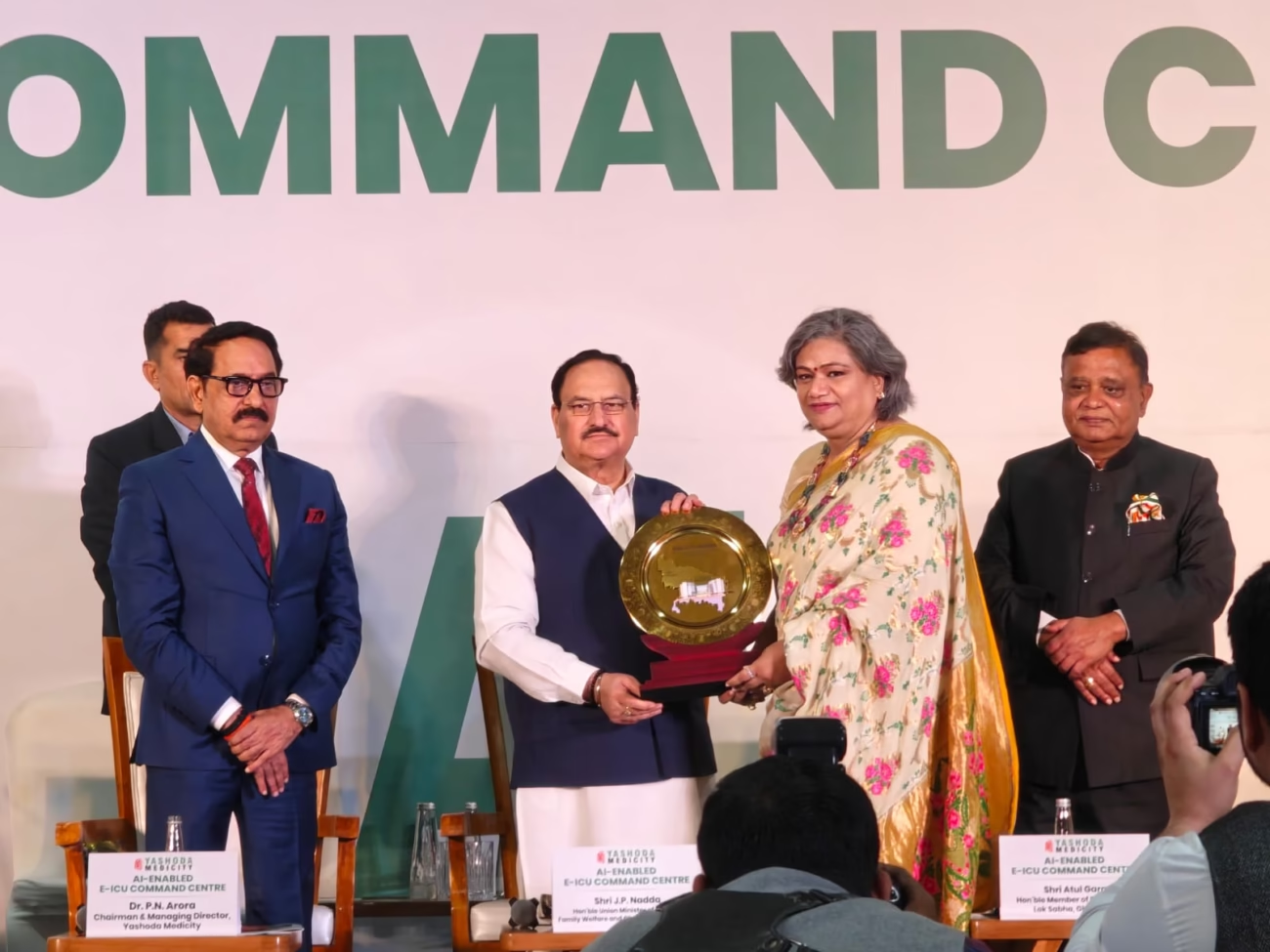
Post-Union Budget 2026–27: Dr. P N Arora, Chairman & Managing Director, Yashoda Group of Hospitals
“The Union Budget 2026–27 presents a growth-oriented roadmap to strengthen India’s healthcare ecosystem and position the country as a global hub for medical value tourism. Proposals such as regional medical hubs and new Ayurveda institutes highlight the transformative potential of public-private collaboration across healthcare and allied sectors.
While the ‘Heal in India’ initiative received a strong push in the previous Budget, it finds limited explicit mention this year. We are hopeful that during the rollout and implementation phase, greater emphasis will be placed on strengthening and scaling this important initiative to further advance India’s global healthcare standing.
It is equally encouraging to see a strong focus on workforce development, Biopharma Shakti, upgraded research institutes, and digital health. Coupled with capital investment, structural reforms, AI and robotic surgery, the SME Growth Fund, and Semiconductor Mission 2.0, these measures, in my view, will not only enhance care delivery, drive innovation, and advance healthcare research, but also boost allied industries, foster employment, and build a resilient ecosystem aligned with the vision of a Viksit Bharat.
The reduction of the fiscal deficit to 4% is also a positive signal of fiscal prudence and long-term sustainability, reinforcing confidence in India’s growth trajectory while maintaining macroeconomic stability.”

Post-Union Budget 2026–27: Dr Ravi Gaur Chair Medical Advisory Committee Oncquest Laboratories & Founder DRG Path Lab
Budget 2026 – Government of India ..A very positive, forward-looking healthcare Budget that recognises health as both a national priority and a driver of economic growth.
The focused push on non-communicable and autoimmune diseases, alongside support for biopharma innovation and improved access to critical cancer drugs, shud be major boost for the diagnostics sector, enabling earlier detection, precision treatment, and better disease monitoring.
Recognition of autoimmune diseases as emerging challenge is a very welcome step.
The development of integrated medical value travel hubs that combine advanced hospitals, high-end diagnostics, AYUSH systems, and rehabilitation further strengthens India’s position as a global destination for comprehensive care. With added emphasis on workforce skilling, geriatric wellness, and psychosocial support, the Budget reinforces a healthcare model where strong diagnostics form the backbone of effective, compassionate, and outcome-driven healing. Reduced cost of cancer and rare disease drugs, important of early diagnosis, preventive health, mental wellness are a major steps towards a healthy living and holistic approach to health.. looking fwd to contribute to Swasth Bharat, Samradh Bharat..

Mr Mohan Jain, Director – Naprod Life Sciences
Budget 2026 is a strong endorsement of India’s MSME-led pharmaceutical manufacturing, particularly for companies operating in complex and critical therapy areas such as oncology. The Biopharma SHAKTI initiative provides a timely push to strengthen domestic capabilities in advanced formulations and biologics, while faster regulatory approvals and a stronger CDSCO will significantly improve ease of execution for quality-focused manufacturers.
Equally important are the measures aimed at creating ‘Champion MSMEs’ through targeted equity support, improved liquidity and professional compliance assistance, enabling pharma MSMEs to scale manufacturing, invest in quality systems and create high-skilled jobs. The Budget’s intent to rationalise GST structures and address inverted duty issues is a critical step in improving cost competitiveness and cash-flow efficiency for domestic manufacturers.
Along with customs duty exemptions on select life-saving drugs, these measures will reduce import dependence, boost self-reliance, and advance India’s Aatmanirbhar Bharat vision, ensuring affordable medicines and a resilient, Viksit Bharat”