

Quote by Dr. Kalyan Kumar Gangopadhyay, Endocrinologist, CMRI Kolkata
“Diabetes is often called a silent killer because it quietly damages the body’s vital systems — from the heart and kidneys to the eyes, nerves, and even sexual health. In women, it increases the risk

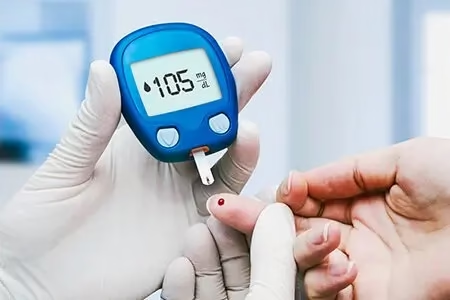
“Diabetes is often called a silent killer because it quietly damages the body’s vital systems — from the heart and kidneys to the eyes, nerves, and even sexual health. In women, it increases the risk of heart disease, bone weakness, and vision problems, while in men, it can cause erectile dysfunction due to damage to blood vessels, nerves, and hormone imbalance.
One of the biggest myths is that diabetes only affects blood sugar levels — in truth, it impacts nearly every organ. Another common misconception is that early diabetes has obvious symptoms; in reality, up to 80% of people may not notice any signs until serious complications appear.
The good news is that diabetes and its complications can be prevented or controlled. Maintaining a healthy weight, eating balanced meals, staying physically active, avoiding smoking, managing stress, and keeping blood pressure and sugar levels in check are the most powerful ways to protect yourself. Regular health check-ups and open conversations with your doctor can make all the difference in preventing this silent disease from taking a heavy toll on your life.”
Quote by Dr. Anjan Siotia, Director of Cardiology, BM Birla Heart Hospital, Kolkata:
“Diabetes affects the heart in more ways than most people realise. High blood sugar levels accelerate artery blockages and raise bad cholesterol (LDL), which significantly increases the risk of heart attacks and strokes. For individuals with diabetes, it is essential to keep LDL cholesterol below 2.6 mmol/L and maintain a heart-healthy lifestyle through regular walking, exercise, and a balanced diet as advised by their doctor.
We often see a spike in cardiovascular cases during winter, especially among those with high blood pressure, obesity, or diabetes. Cold temperatures cause arteries to constrict and increase cortisol levels, forcing the heart to work harder to maintain body warmth — a dangerous combination for diabetics.
Diabetes doesn’t just impact blood sugar; it affects both the large and small blood vessels, leading to complications such as peripheral vascular disease, kidney problems, vision loss, stroke, and heart failure. Therefore, our goal in treating diabetic patients is not only to control glucose levels but also to prevent these serious complications through timely interventions and protective medications.
Regular monitoring is vital — diabetic patients should undergo routine check-ups, complete their prescribed blood tests on time, and have an annual electrocardiogram (ECG) to detect any early signs of heart rhythm abnormalities. Early detection and preventive care can make all the difference in protecting both heart and life.”