
Rare Caesarean Myomectomy Safely Performed During Full-Term Delivery at Motherhood Hospital, Kharadi
This procedure ensured safe delivery and fibroid removal in a high-risk pregnancyMyomectomy is a surgical removal of fibroids and is classified as rare during pregnancy due to the significant risk it poses to the mother

This procedure ensured safe delivery and fibroid removal in a high-risk pregnancy
Myomectomy is a surgical removal of fibroids and is classified as rare during pregnancy due to the significant risk it poses to the mother and the fetus. Performing this procedure on a pregnant uterus is very risky and can lead to heavy bleeding, miscarriage, and preterm labour. According to research, fibroids affect approximately 2-4 % of all pregnancies, but surgical intervention during pregnancy is needed in less than 0.5 % cases. Most of the fibroids are managed until after delivery, unless they cause a lot of pain, rapid growth, or life-threatening complications.
Despite the risks, in rare and carefully selected cases, a myomectomy during pregnancy becomes necessary—and life-saving.
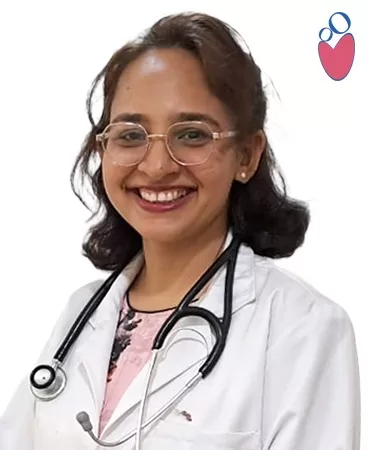
In a remarkable display of clinical expertise and coordinated care, a medical team led by Dr Mansi Sharma, Obstetrician & Gynaecologist at Motherhood Hospital, Kharadi, successfully managed a complex case involving a large uterine fibroid during pregnancy. At 37 weeks, the team carried out a planned caesarean section combined with a myomectomy, a rare procedure due to the bleeding risks involved. The surgery was completed smoothly, resulting in the safe birth of a healthy baby and the successful removal of the fibroid. This case underscores the importance of antenatal checkups, early diagnosis, expert clinical judgment, and personalized care in handling high-risk pregnancies with uterine fibroids.
Radhika Kamra (name changed) a working professional in her early 30s, came for a routine antenatal (ANC) check-up with Dr Mansi Sharma at Motherhood Hospital, Kharadi. During her ANC visit, an ultrasound revealed a significant intramural myoma (a fibroid located within the muscular wall of the uterus) measuring 8 cm, roughly the size of a small melon. She also had multiple smaller fibroids measuring 1–2 cm. Uterine fibroids are found in about 0.8-10 % of all pregnancies, depending on the population and diagnostic methods used.
Despite the presence of this large fibroid, Radhika’s pregnancy progressed without major complications like Intrauterine Growth Restriction (IUGR), Fetal malpresentation, or preterm labour. However, she did experience intermittent abdominal pain due to degeneration of the fibroid, a condition where the fibroid outgrows its blood supply, leading to tissue breakdown, inflammation, and pain.
Dr Mansi Sharma, Obstetrician & Gynecologist at Motherhood Hospital, Kharadi, said, “A myoma, or uterine fibroid, is a non-cancerous growth in or around the uterus, often influenced by hormonal changes. While common in women of reproductive age, large fibroids during pregnancy can lead to complications such as pain, fetal position issues, or delivery challenges. Surgery is typically avoided during pregnancy due to the increased risk of heavy bleeding, but in select cases, a cesarean myomectomy, removal of the fibroid during a C-section, may be necessary to ensure safe delivery for both mother and baby.”
Dr Mansi Sharma added, “By the third trimester, the growing fibroid had caused cephalo-pelvic disproportion, meaning the baby’s head could not descend into the pelvis due to the obstruction created by the myoma. This situation necessitated a planned elective cesarean section at 37 weeks of gestation. During the C-section, the obstetric team successfully delivered the baby and simultaneously removed the 8 cm fibroid in a rare but well-executed procedure known as a cesarean myomectomy. The procedure was uneventful, leading to safe removal of the myoma without any breach in the uterine cavity or requirement of blood transfusion.”
Radhika had a full-term delivery, and both mother and baby recovered well. The smaller fibroids, likely influenced by pregnancy-related hormonal changes, were left untouched as they typically shrink postpartum. This case highlights the importance of regular ANC check-ups, timely diagnosis, and individualized care in managing high-risk pregnancies involving large fibroids. Cesarean myomectomy remains a rare but necessary intervention in select cases where fibroids significantly impact delivery outcomes,” said Dr Mansi Sharma.
“I’m truly grateful to Dr Mansi Sharma for giving me the safest delivery I could have hoped for. Despite the fibroid, they ensured my baby was born healthy, and I came out of surgery without any complications. Their constant support and expert care made all the difference,” concluded the patient Radhika