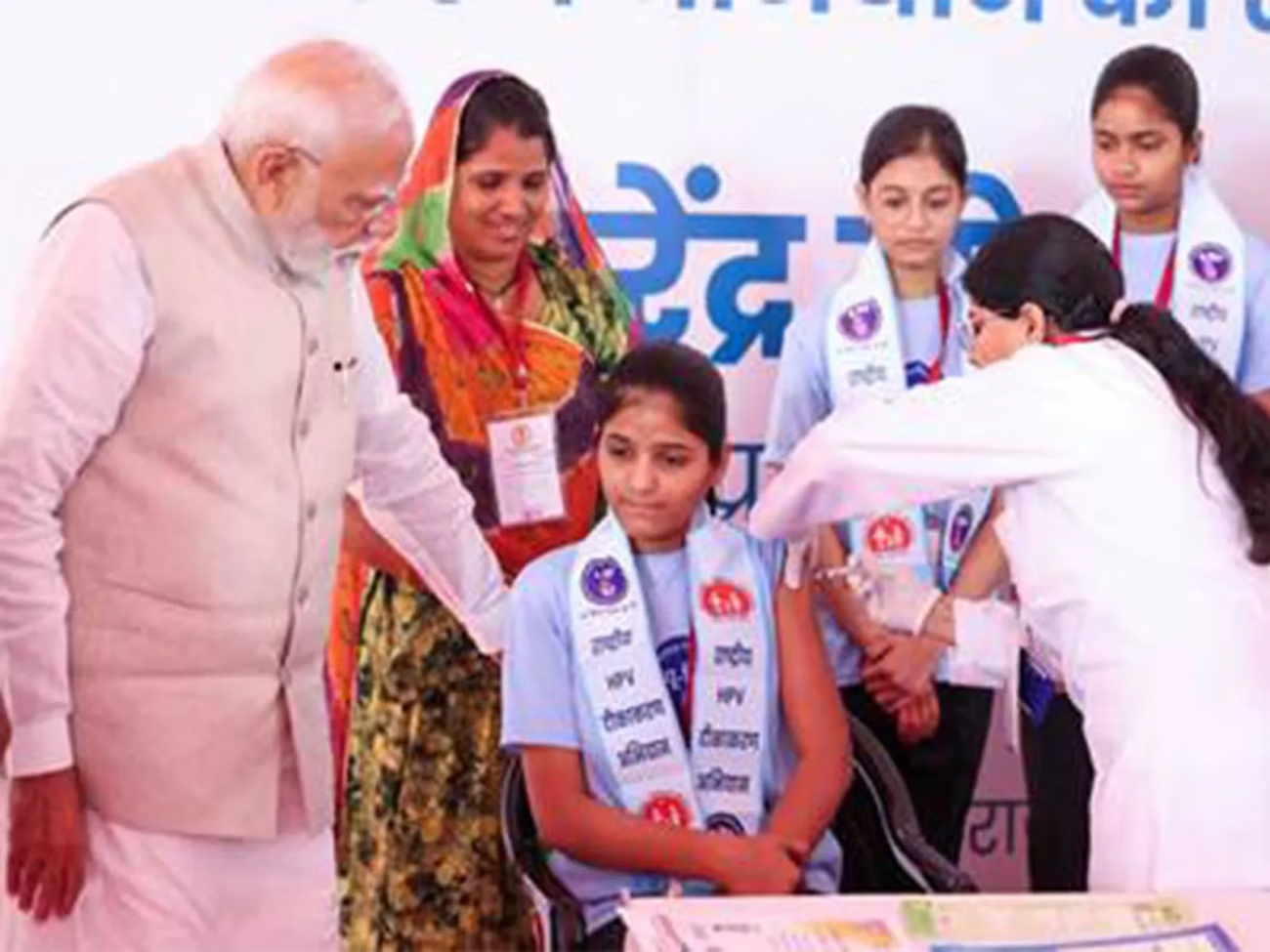

Rural India Missing Out on Critical Progress in Menstrual Health: A Call for Inclusive Action
Despite significant advancements in menstrual health awareness and access to hygiene products across urban India, a large segment of rural India continues to be left behind, facing persistent challenges that undermine health, dignity, and gender

Despite significant advancements in menstrual health awareness and access to hygiene products across urban India, a large segment of rural India continues to be left behind, facing persistent challenges that undermine health, dignity, and gender equality. This growing disparity calls for urgent, targeted interventions to ensure that menstrual health progress reaches every corner of the country.
Studies and reports reveal that rural women and girls still struggle with limited access to affordable sanitary products, inadequate menstrual hygiene education, and lack of privacy and sanitation facilities. These barriers contribute to high absenteeism in schools, increased risk of infections, and social stigmatization.
Key Challenges in Rural Menstrual Health:
Insufficient availability and affordability of quality menstrual hygiene products.
Limited awareness and educational outreach about menstrual health and hygiene management.
Inadequate sanitation infrastructure in schools and communities, including lack of clean toilets and water.
Cultural taboos and social stigma perpetuating silence and misinformation around menstruation.
Experts emphasize that menstruation should not remain a barrier to education, work, or social participation. Inclusive policies, community engagement, and improved supply chains are critical to closing the gap and empowering rural women.
Calls to Action Include:
Expansion of government and NGO-led menstrual health programs tailored for rural settings.
Enhanced menstrual hygiene education integrated into school curricula and community outreach.
Infrastructure development focused on clean water, sanitation, and safe disposal systems.
Promotion of affordable and eco-friendly sanitary product manufacturing and distribution in rural markets.
Addressing menstrual health disparities in rural India is a direct investment in women’s empowerment, public health, and sustainable development goals. It is imperative that all stakeholders—government, civil society, and private sector—collaborate to ensure menstrual health is a priority on the national rural health agenda.