

Things to keep in mind if you have PCOS and are planning for IVF Treatment
Dr. Nishi Singh, Head of Fertility at Prime IVFPolycystic Ovary Syndrome (PCOS) poses a multifaceted challenge when considering In Vitro Fertilization (IVF) treatment. It is imperative that we delve into the nuanced aspects of PCOS

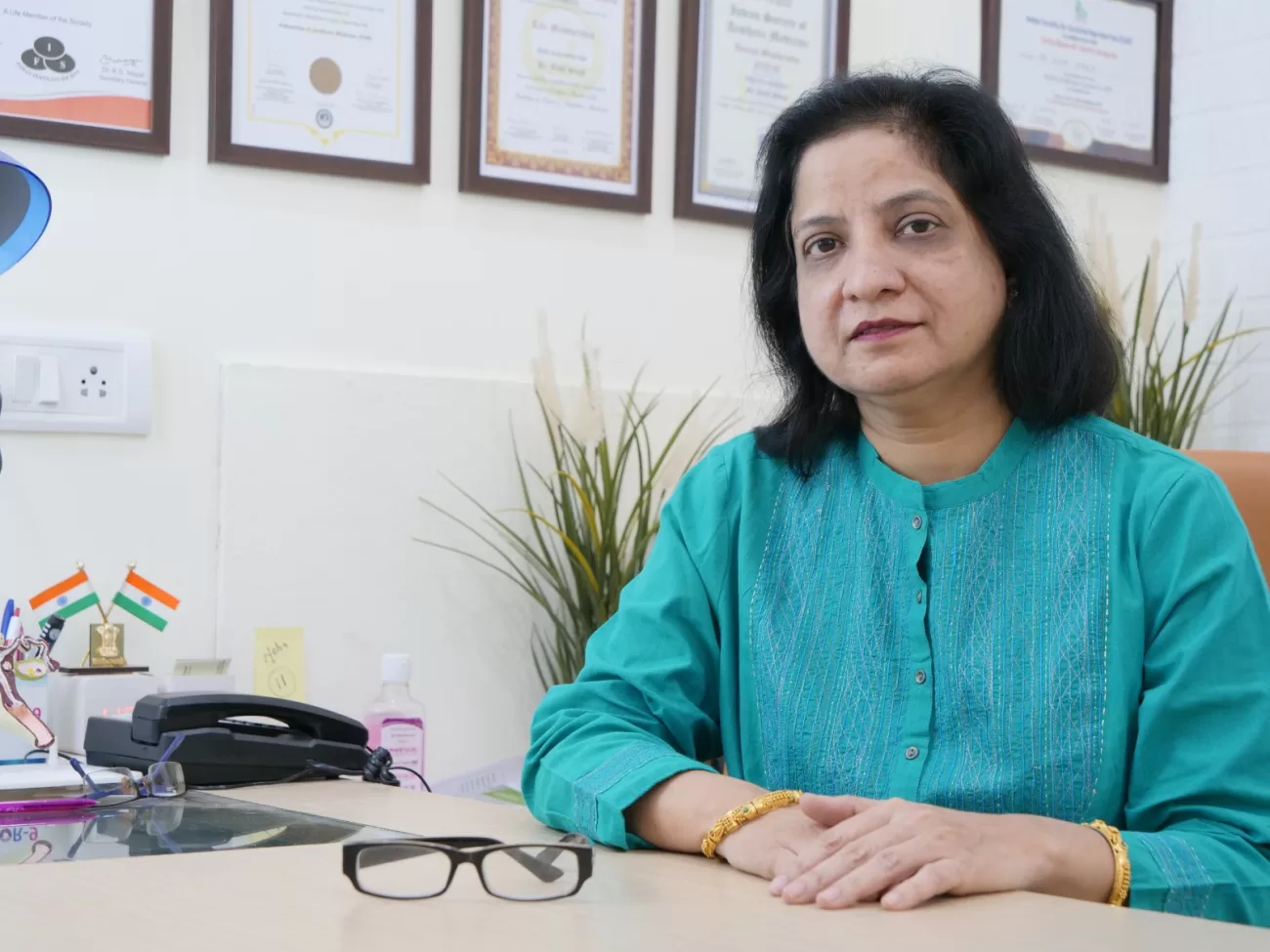
Dr. Nishi Singh, Head of Fertility at Prime IVF
Polycystic Ovary Syndrome (PCOS) poses a multifaceted challenge when considering In Vitro Fertilization (IVF) treatment. It is imperative that we delve into the nuanced aspects of PCOS management within the context of IVF. Here are the key considerations, underpinned by clinical research, for individuals with PCOS embarking on the IVF journey.
Understanding PCOS and IVF
Polycystic Ovary Syndrome (PCOS) can present unique challenges for those considering In Vitro Fertilization (IVF). To navigate this journey successfully, here are the essential do’s and don’ts for individuals with PCOS:
Do’s for PCOS and IVF:
- Before beginning IVF, undergo comprehensive hormone testing. PCOS often involves elevated androgen (male hormone) levels and insulin resistance, impacting fertility. Medications like Metformin can improve insulin resistance, while anti-androgen drugs can manage excessive androgen levels.
- PCOS frequently leads to irregular or absent ovulation, making precise ovulation induction crucial. Medications like clomiphene citrate, letrozole, or gonadotropins can stimulate controlled follicular development and enhance ovulation.
- PCOS patients are susceptible to ovarian hyperstimulation during IVF. Regular ultrasounds and hormonal profiling enable adjustments in medication dosages, reducing the risk of Ovarian Hyperstimulation Syndrome (OHSS).
- Preventing premature ovulation is paramount for IVF success. PCOS patients are prone to early ovulation; vigilant monitoring and the use of specific medications can prevent this.
- Recognize that PCOS can affect egg and embryo quality. Be prepared for the possibility of fewer high-quality embryos. Consider Preimplantation Genetic Testing for Aneuploidy (PGT-A) to identify healthier embryos and increase the chances of a successful pregnancy.
- Focus on adopting a healthy lifestyle. Maintaining a healthy body weight through diet and exercise is vital, as excess weight can exacerbate PCOS and impact IVF outcomes. Implement stress management strategies like mindfulness and yoga to alleviate emotional stress during fertility treatment.
- If specific PCOS-related genetic factors are a concern, consider genetic testing before IVF. This information can guide treatment decisions and assist in selecting the most suitable embryos for personalized care.
Don’ts for PCOS and IVF:
- Avoid aggressive ovarian stimulation protocols, as PCOS patients are at a higher risk of ovarian hyperstimulation. The focus should be on achieving a controlled response to minimize complications.
- Neglecting insulin resistance can hinder IVF success. It’s essential to address this issue through medications like Metformin and dietary changes.
- PCOS can worsen with time. Delaying IVF treatment may decrease fertility potential further. It’s advisable to seek treatment in a timely manner.
Dr. Nishi Singh, Head of Fertility at Prime IVF, added, “The symbiosis of PCOS and IVF necessitates meticulous planning, monitoring, and adaptation. Addressing hormonal dysregulation, optimizing ovarian response, and inculcating lifestyle modifications are the keystones of success in this realm. However, it is equally crucial to steer clear of practices that may exacerbate PCOS-related challenges. Personalized care, premised on the unique characteristics of each PCOS patient, remains the fulcrum for achieving the cherished goal of parenthood through IVF. It is through the amalgamation of medical acumen and personalized patient care that we can navigate the intricate landscape of PCOS and IVF.”