
What it Really Means to Be a Woman in Medicine
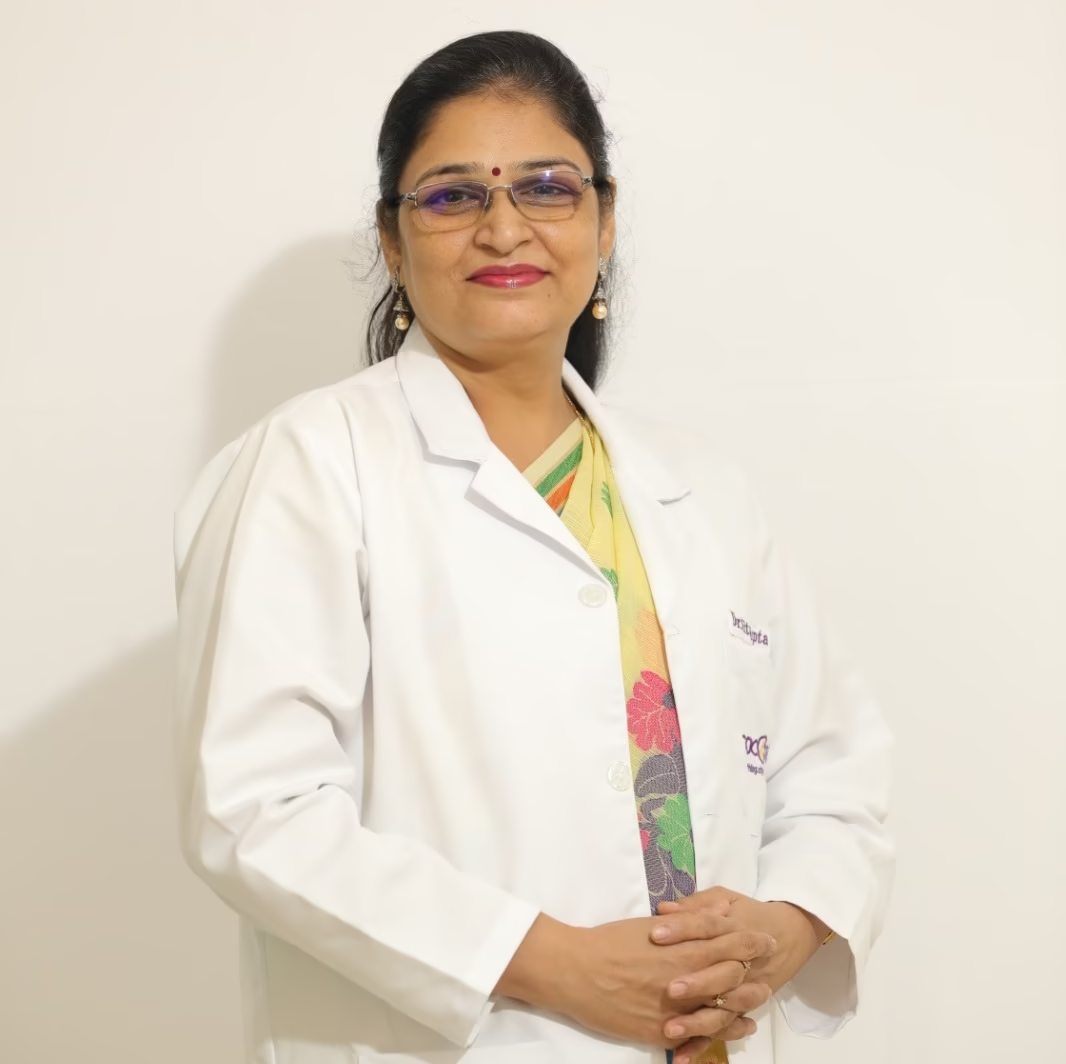
by Dr. Smita Vats is Additional Director and Head of Obstetrics & Gynaecology at Fortis Hospital, ManesarThe White Coat and All That Lies BeneathShe walks into the hospital each morning wearing a crisp white coat

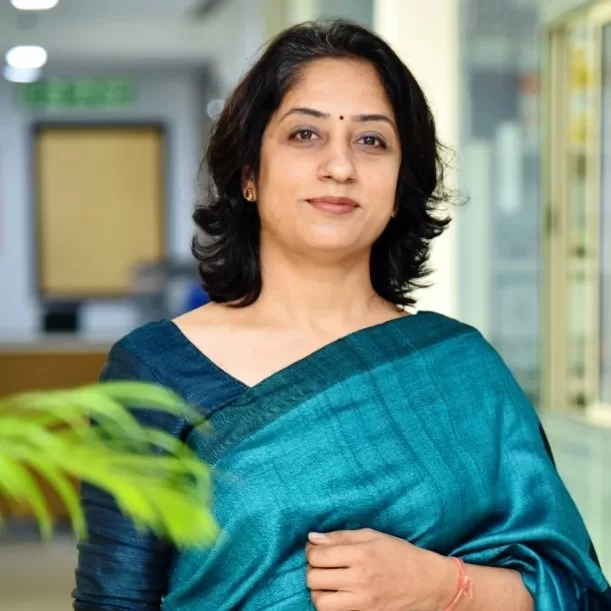
by Dr. Smita Vats is Additional Director and Head of Obstetrics & Gynaecology at Fortis Hospital, Manesar
The White Coat and All That Lies Beneath
She walks into the hospital each morning wearing a crisp white coat and a stethoscope-poised, focused, professional and in control. But beneath that composed appearance is a woman who, like many others, is navigating the complex and often conflicting expectations of her roles, as a doctor, mother, daughter, spouse, colleague, and individual trying to hold multiple worlds together.
Being a woman in medicine isn’t just about clinical knowledge or surgical skill, it’s about carrying invisible loads, often silently and with dignity.
It’s not a one-off. It’s what we do every day. You’re wrapping up, ready to leave, and then a patient rushes into emergency. You step in. Because that’s what this profession demands you stay, you manage, you comfort. Because someone needs you more than you need rest.
We didn’t become this in medicine. We brought it with us. The balancing, compassion, being there and this instinct to stay, to care, to give when you’re empty, it isn’t something we learn in medical school. It’s something we’ve inherited. From mothers, grandmothers, and women who held households together through illness, loss, and uncertainty. The same grit we bring to our wards and OTs today was carved out long ago quietly, stubbornly, fearlessly in kitchens, labour rooms, and living rooms.
A Legacy of Grit
In 1849, Elizabeth Blackwell became the first woman to receive a medical degree in the
United States facing mockery, rejection, and suspicion from her peers. Closer home, Dr.
Anandibai Gopalrao Joshi became India’s first female physician with a degree in Western
medicine in 1886. She achieved this at just 19 years of age, braving social stigma and
personal tragedy, including the loss of her infant son. Her journey was not just academic, it
was revolutionary.
Today, as women in medicine walk the hospital corridors, operate in theatres, and lead
clinical departments, they are walking a path paved with the sacrifices and courage of
pioneers like Anandibai and Elizabeth and yet, the struggle is far from over.
Balancing Acts and Emotional Burdens
So it’s no surprise that we carry that same strength into our profession.
Like other working women, female doctors juggle home, family, and profession but what sets our profession apart is the emotional intensity it demands. We hold the hands of the sick and the dying, counsel grieving families, and bear the emotional burden of outcomes that aren’t always in our control.
We work 36 to 48-hour stretches, often missing family functions, school PTMs, children’s plays, and sometimes even our own health appointments. The guilt runs deep: for not being there for our child’s fever, for not easing our aging parents’ burden, for leaning too heavily on our support systems while barely taking a moment to exhale.
And yet, we return to work. Every single day. Because our patients are waiting.
Glass Ceilings and Unseen Walls
Despite high qualifications, many women doctors find themselves overlooked when it comes to promotions, leadership roles, or key assignments. There is a persistent (and baseless) perception that a woman cannot manage complex duties at work because she is also managing a home. This forces women to work doubly hard to constantly “prove” they are worthy of the same recognition freely given to their male counterparts.
Women are even discouraged from pursuing certain specialities like orthopaedics, neurosurgery, or cardiology not because of a lack of talent, but because of societal assumptions that these fields are “too demanding” for women. And those of us who dare to choose them, don’t do it to rebel. We do it because we love it. Because we are capable. And because we, too, have the right to dream big and serve where we are called.
Strength in Sensitivity
Women doctors bring to medicine something beyond textbooks and protocols, a deeply rooted sense of empathy. Our ability to listen, to perceive subtle cues, to engage patients emotionally and intellectually, often results in more holistic and humane care. This is not sentimentality it is strength.
Especially in Indian society, women patients often feel more comfortable opening up to female doctors, particularly for gynaecological issues or anything involving bodily discomfort and vulnerability. A woman clinician even if she is not from the same speciality becomes a safe space for expression, diagnosis, and healing.
The Physical and Institutional Barriers
While training, women doctors endure long shifts with minimal infrastructure: poor restrooms, unsafe hospital corridors, lack of secure duty accommodations, and working through periods, pregnancies, or postnatal exhaustion without support.
The night duties in sprawling hospitals with dim corridors, separate buildings, and sometimes no security are not just challenging, but unsafe. The horrifying incident at R.G.Kar Medical College in Kolkata is just one that came to public notice. Every woman in medicine has faced that fear, has mapped exit doors, clutched her phone tightly, and yet returned the next night to do her duty.
We need better infrastructure, proper security, safe duty rooms, and hygienic restrooms as basic, non-negotiable rights. And this won’t happen until more women have a seat at the decision-making table.
Leadership with Compassion
Women in healthcare leadership bring not only competence but compassion for patients and for colleagues. They remember the sleepless nights, the exhaustion, the fear and lead with empathy. True, some women in power can seem stern or unyielding, but scratch the surface and you’ll often find a tough exterior shaped by years of struggling in an unkind system.
To transform that system, we need more women at the helm not because they are women, but because their experiences bring balance to healthcare governance.
In Conclusion: This Is Not a Complaint, But a Mirror
This article isn’t a complaint it’s a mirror. A reflection of what it takes to be a woman in medicine. The sacrifices are many, the rewards are often intangible, and the recognition is still catching up.
But ask any woman doctor why does she do it?
The answer isn’t about prestige or paychecks. It’s about purpose. It’s about healing. It’s about showing her daughter that anything is possible and her son that strength comes in many forms.
We don’t just wear white coats. We wear resilience, compassion, exhaustion, and pride.
And we would choose this path again and again.