
30% rise in sudden cardiac deaths among Indians below 40; growing concern over heart attacks in younger adults
India is witnessing a concerning shift in the age profile of cardiovascular disease, with sudden cardiac deaths among individuals below 40 years increasing by 30% over the last decade and heart attacks occurring nearly 10

India is witnessing a concerning shift in the age profile of cardiovascular disease, with sudden cardiac deaths among individuals below 40 years increasing by 30% over the last decade and heart attacks occurring nearly 10 years earlier than in Western populations.
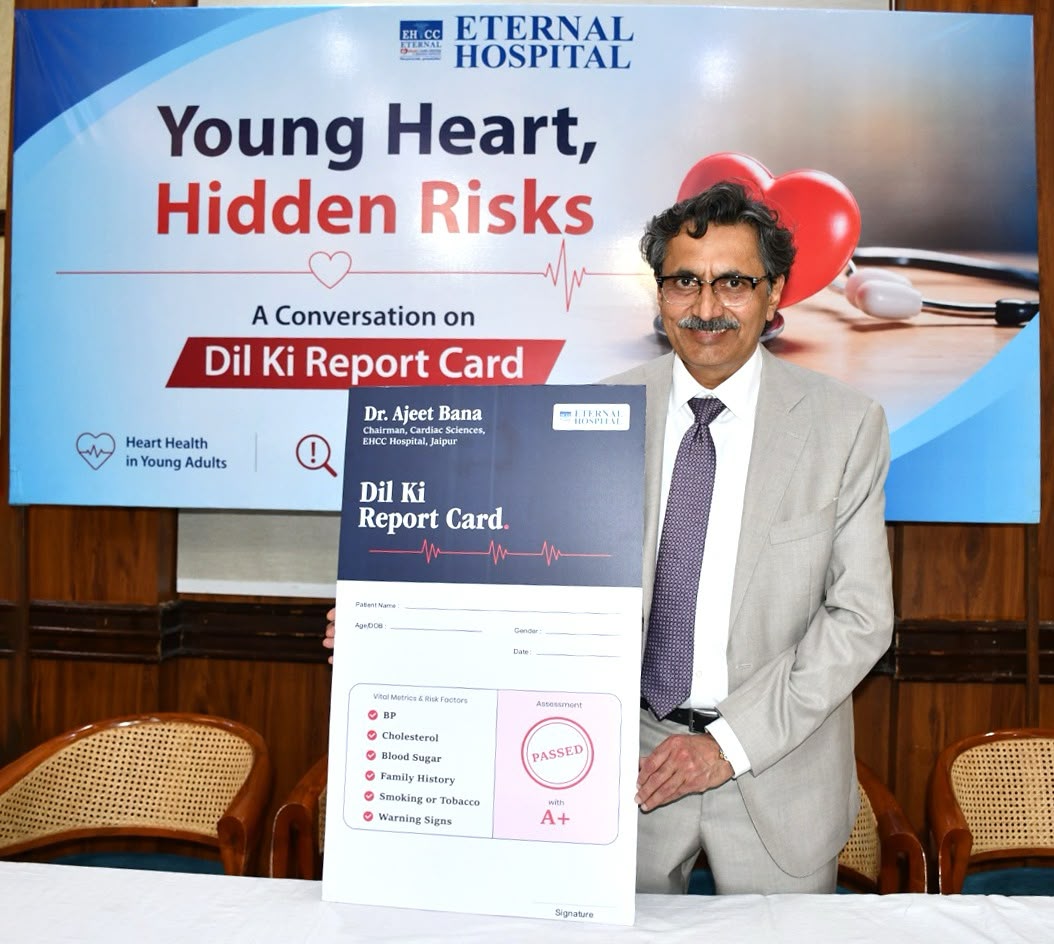
Addressing a press conference in New Delhi, Dr Ajeet Bana, Chairman, Cardiac Sciences, Eternal Hospital, Jaipur, drew attention to the growing incidence of serious cardiac conditions among younger adults and the need for earlier identification of cardiovascular risks. With over three decades of experience and more than 20,000 cardiac surgeries to his credit, Dr Bana shared insights from his clinical practice on the factors contributing to premature cardiac events.
Sudden cardiac arrest in younger individuals can arise from several underlying conditions, extending beyond conventional coronary artery disease. These include hypertrophic, dilated and arrhythmogenic cardiomyopathies, inherited electrical disorders such as Long QT syndrome, Brugada syndrome and catecholaminergic polymorphic ventricular tachycardia (CPVT), congenital abnormalities of the heart and coronary arteries, myocarditis and premature coronary artery disease.
Findings from Indian autopsy studies further highlight the varied causes of sudden cardiac deaths among younger individuals. Structural cardiomyopathies account for 25.4% of cases, while coronary artery disease with myocardial infarction accounts for 28.8%. Sudden unexplained deaths, including cases with negative autopsy findings, constitute 35.6%, underlining the complexity of identifying the underlying cause in some young individuals.
“One of the important challenges in younger patients is that an underlying cardiac condition may remain undetected until it presents as a serious event. We often associate cardiac emergencies with blocked coronary arteries, but sudden cardiac arrest can also result from abnormalities in the heart muscle or its electrical system. Family history deserves particular attention. A history of sudden cardiac death or unexplained death at a young age in the family should prompt medical evaluation, especially when accompanied by symptoms such as fainting or palpitations,” said Dr Bana.
He also highlighted the contribution of changing metabolic and lifestyle patterns to premature cardiovascular disease. Early-onset hypertension, diabetes, insulin resistance, abnormal cholesterol levels and abdominal obesity are important contributors to premature atherosclerosis. Physical inactivity, smoking, recreational substance use, excessive alcohol consumption, chronic psychological stress and inadequate sleep further compound these risks. Dietary patterns characterised by high consumption of refined carbohydrates, added sugars, saturated and trans fats, and ultra-processed foods, alongside inadequate intake of fruits, vegetables and dietary fibre, also contribute to metabolic dysfunction.
Dr Bana drew particular attention to the South Asian thin-fat phenotype, in which individuals may have a relatively normal body weight despite excess abdominal fat and underlying metabolic abnormalities. This makes it important to assess waist circumference, blood pressure, blood sugar and cholesterol rather than relying on body weight or BMI alone when evaluating cardiovascular risk.
He further emphasised that unexplained fainting, recurring palpitations, chest discomfort, breathlessness and a noticeable decline in exercise capacity, particularly during physical exertion, warrant medical attention. A comprehensive assessment of personal and family history, physical examination and appropriate investigations can help identify individuals who may be at risk. Depending on clinical findings, an electrocardiogram (ECG) and echocardiogram may be recommended. Individuals with suspected inherited cardiac conditions may also require specialist assessment and evaluation of first-degree relatives.
“An important gap in preventive cardiology is that people often associate a healthy appearance or normal body weight with good heart health. However, metabolic risks can remain hidden. We need to encourage individuals to understand their family history and periodically assess blood pressure, blood sugar, cholesterol and abdominal obesity. Early evaluation, particularly in those with relevant symptoms or a family history of cardiac disease, can help identify conditions before they progress to a major event,” Dr Bana added.
To translate this message into a practical public awareness initiative, Dr Bana has been championing Eternal Hospital’s #DilKiReportCard campaign, which encourages young Indians to make cardiovascular health part of their regular health assessments. Built around the thought that the heart deserves its own report card, the initiative introduces a five-point Heart Check-In covering blood pressure, cholesterol, blood sugar, family history and smoking habits. It also features ‘Know Your 90’, encouraging individuals to understand their LDL cholesterol levels and discuss their appropriate targets with their doctors. The campaign aims to challenge the assumption that physical fitness or a healthy body weight automatically indicates good cardiovascular health.
Beyond prevention and early diagnosis, Dr Bana stressed the importance of strengthening emergency response systems to improve survival following sudden cardiac arrest. Immediate cardiopulmonary resuscitation (CPR) and timely defibrillation can significantly improve survival. He called for wider CPR training across schools, colleges, workplaces and sports facilities, alongside greater availability of automated external defibrillators (AEDs) in public spaces and clearly defined emergency response protocols.
“Survival following sudden cardiac arrest depends heavily on the response during the first few minutes. Medical assistance may take time to reach the person, making immediate CPR and access to an AED particularly important. Schools, colleges, workplaces and sports organisations should have trained people and clear emergency response protocols. Building these capabilities can make a meaningful difference to survival,” he added.
Addressing premature cardiac disease requires a coordinated approach involving early identification of cardiovascular risks, awareness of inherited heart conditions, timely medical evaluation, healthier lifestyle choices and stronger community-level emergency preparedness.
By MedGate Bureau