

Extreme Heat May Cause 3,400 Excess Deaths in a Single Day Across India, Study Warns
A new study has estimated that a single day of extreme heat could lead to approximately 3,400 excess deaths across India, highlighting the growing public health risks associated with rising temperatures and increasingly frequent heatwaves. The

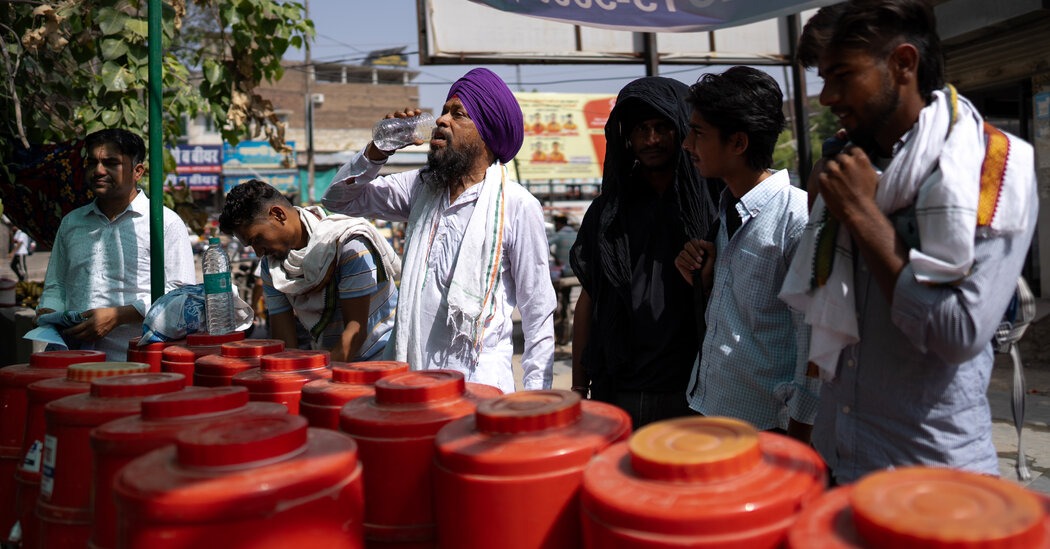
A new study has estimated that a single day of extreme heat could lead to approximately 3,400 excess deaths across India, highlighting the growing public health risks associated with rising temperatures and increasingly frequent heatwaves.
The research, conducted by the India Energy and Climate Center, adapted findings from a multi-city analysis of heat
related mortality across 10 Indian cities to estimate the potential impact of extreme heat across districts nationwide.
Researchers found that even short periods of unusually high temperatures can significantly increase mortality, particularly among vulnerable populations such as the elderly, children, outdoor workers, and individuals with pre existing health conditions.
The findings come as several parts of India continue to experience prolonged heatwave conditions, with temperatures crossing 45°C in multiple states. Public health experts warn that extreme heat is no longer just an environmental concern but an increasingly serious health emergency affecting millions of people.
According to government data, India recorded hundreds of heatwave related deaths in recent years, while climate scientists note that heatwave frequency, intensity, and duration have increased significantly over the past decade.
The study suggests that the actual health burden of extreme heat may be substantially higher than officially reported figures due to underreporting and difficulties in attributing deaths directly to heat exposure.
Researchers emphasized that heat related mortality often occurs through worsening of existing cardiovascular, respiratory, kidney, and metabolic conditions rather than direct heatstroke alone. This makes heatwaves a silent but significant public health threat.
Experts are calling for stronger heat action plans, improved early warning systems, greater public awareness, and enhanced healthcare preparedness to reduce heat related illnesses and deaths. Measures such as access to cooling centres, hydration campaigns, workplace safety guidelines, and protection for high-risk populations are increasingly being viewed as essential public health interventions.
As climate change continues to drive extreme weather events, researchers say the study underscores the urgent need for integrating heat resilience into India’s healthcare and disaster preparedness strategies to protect lives and reduce future health impacts.