
Delays Impact Rollout of Free Cervical Cancer Vaccination Programme as Government Pushes to Improve Coverage Among Adolescent Girls
The rollout of a government supported free cervical cancer vaccination programme has faced implementation challenges in several regions, slowing vaccination coverage among eligible adolescent girls despite the availability of vaccine doses. Health officials have attributed

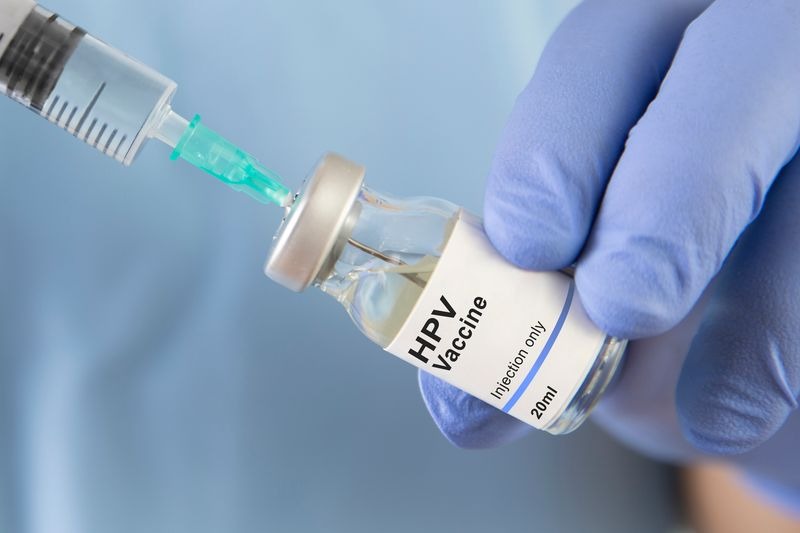
The rollout of a government supported free cervical cancer vaccination programme has faced implementation challenges in several regions, slowing vaccination coverage among eligible adolescent girls despite the availability of vaccine doses. Health officials have attributed the delays primarily to school board examinations, summer vacations and administrative commitments linked to election duties, which disrupted outreach efforts targeting school going girls.
The programme, launched under the Swastha Nari initiative, aims to provide free Human Papillomavirus (HPV) vaccination to adolescent girls, particularly those around 14 years of age. However, the campaign’s initial phase coincided with board examinations in March and April, limiting access to students through schools. Subsequent summer holidays further affected vaccination drives as many eligible beneficiaries were away from their educational institutions. In addition, district level administrative staff involved in programme implementation were engaged in election related responsibilities during May, impacting field operations.
The delays come at a time when India is intensifying efforts to reduce the burden of cervical cancer, the country’s second most common cancer among women. According to estimates from the International Agency for Research on Cancer (IARC), India records more than 1.2 lakh new cervical cancer cases annually, with nearly 77,000 deaths each year, accounting for a significant share of the global disease burden.
Medical experts have consistently highlighted HPV vaccination as one of the most effective preventive measures against cervical cancer. The World Health Organization (WHO) estimates that HPV vaccines can prevent the majority of cervical cancer cases caused by high risk HPV strains. The organization has also called for widespread vaccination of adolescent girls as part of its global strategy to eliminate cervical cancer as a public health problem.
India’s cervical cancer prevention efforts received a major boost following the introduction of the country’s first indigenously developed quadrivalent HPV vaccine, which expanded opportunities for large scale immunization at more affordable costs. Public health experts believe that sustained vaccination coverage, combined with regular screening and early detection programmes, could significantly reduce cervical cancer incidence over the coming decades.
Health authorities have indicated that efforts are underway to accelerate the vaccination campaign through school based outreach, community engagement and coordinated district level implementation. Officials remain optimistic that coverage will improve as educational institutions reopen and administrative resources return to routine public health activities.
The programme represents an important step in strengthening women’s health and cancer prevention in India. While operational challenges have slowed initial implementation, healthcare experts emphasize that achieving high vaccination coverage among adolescent girls remains critical to reducing future cervical cancer cases and advancing the country’s long term public health goals.