
Kerala Reports 10 New Shigella Cases as State Intensifies Ebola Surveillance and Maintains Nipah Containment Measures
Kerala has reported 10 new cases of Shigella infection across four districts, prompting health authorities to strengthen surveillance and containment efforts while continuing heightened vigilance against potential Ebola threats and maintaining monitoring measures for Nipah

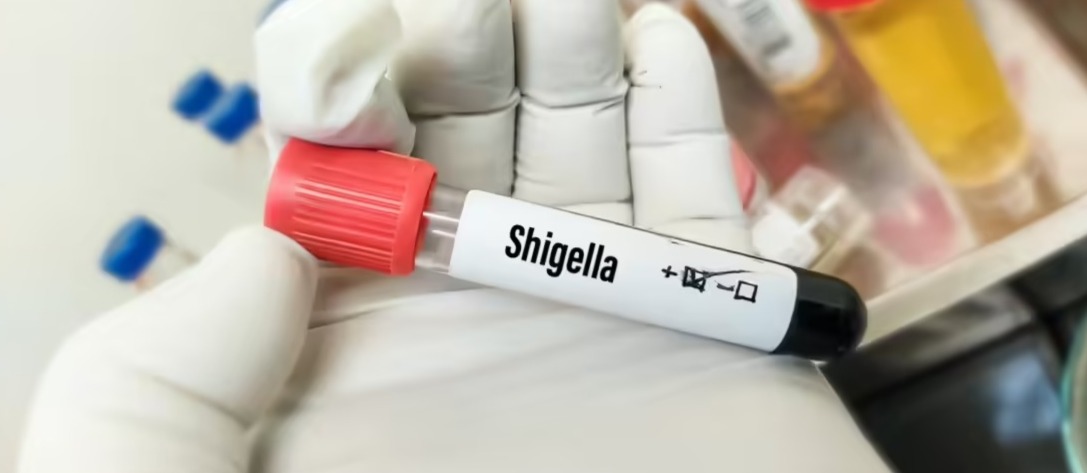
Kerala has reported 10 new cases of Shigella infection across four districts, prompting health authorities to strengthen surveillance and containment efforts while continuing heightened vigilance against potential Ebola threats and maintaining monitoring measures for Nipah virus.
According to the latest health department update, Kozhikode reported seven new Shigella cases, while Wayanad, Ernakulam and Malappuram recorded one case each. Health officials said affected individuals are receiving appropriate medical care and that surveillance activities have been intensified in the affected districts to prevent further transmission.
Shigella is a highly contagious bacterial infection that primarily affects the intestines and spreads through contaminated food, water or close person to person contact. Symptoms typically include diarrhea, fever, stomach cramps and, in severe cases, bloody stools. Children, elderly individuals and those with weakened immune systems are considered particularly vulnerable to complications.
The state health department has activated disease surveillance teams to conduct contact tracing, monitor symptomatic individuals and reinforce public awareness regarding hygiene and sanitation practices. Officials have also advised residents to consume safe drinking water, maintain hand hygiene and seek prompt medical attention if symptoms develop.
At the same time, authorities confirmed that Nipah virus related concerns remain under control, with no indication of active community transmission. Kerala has developed one of India’s most robust Nipah response frameworks following previous outbreaks, including strengthened surveillance systems, rapid response teams and laboratory testing capabilities.
The state has also intensified screening and monitoring measures in response to global concerns over Ebola outbreaks reported in parts of Africa. Health authorities are closely tracking international travelers arriving from affected regions and have instructed healthcare facilities to remain alert for symptoms consistent with viral hemorrhagic fevers. Enhanced surveillance has been implemented at airports and key healthcare institutions as part of precautionary preparedness efforts.
Kerala’s public health system has earned recognition for its rapid outbreak response capabilities, particularly in managing infectious disease threats such as Nipah, COVID-19 and vector borne illnesses. Experts note that early detection, active surveillance and swift containment measures remain critical in preventing localized outbreaks from escalating into larger public health emergencies.
Health officials have reassured the public that all necessary precautions are being taken to manage the current Shigella cases while maintaining preparedness against other infectious disease threats. The government continues to monitor the situation closely and has urged citizens to follow public health advisories and report symptoms promptly to healthcare authorities.
The latest developments underscore Kerala’s proactive approach to infectious disease management as it balances routine surveillance, outbreak response and preventive preparedness against emerging public health risks.