
Health Ministry Expands QR Code-Based Drug Tracking to Vaccines, Antimicrobials, Cancer and NDPS Medicines to Strengthen Supply Chain Transparency
The Ministry of Health and Family Welfare has expanded the scope of its QR code based drug authentication and tracking system to include vaccines, antimicrobial medicines, cancer drugs and narcotic and psychotropic substances (NDPS), in

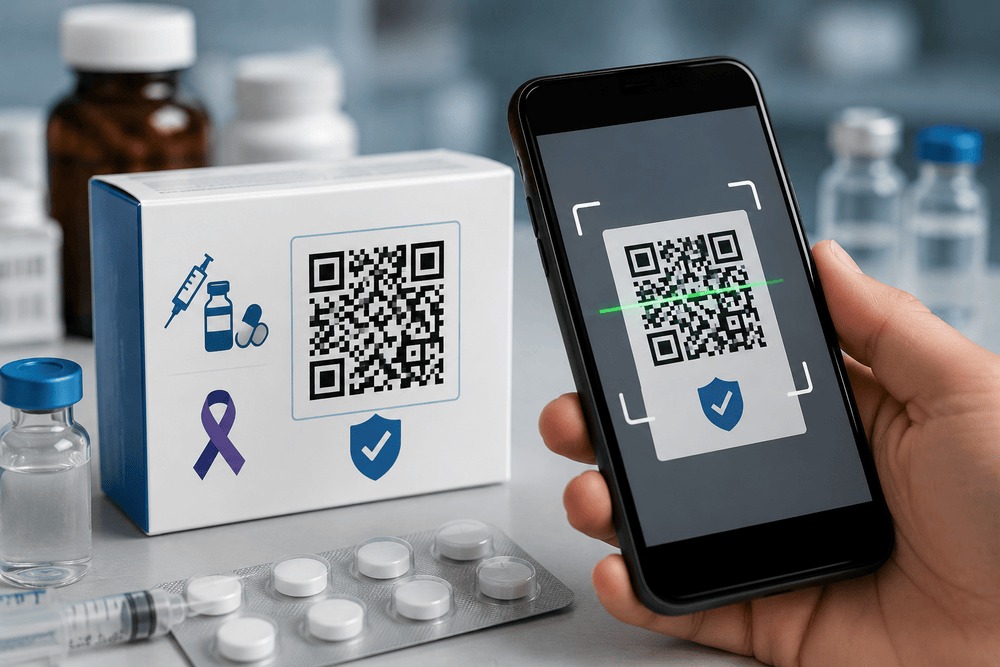
The Ministry of Health and Family Welfare has expanded the scope of its QR code based drug authentication and tracking system to include vaccines, antimicrobial medicines, cancer drugs and narcotic and psychotropic substances (NDPS), in a major move aimed at strengthening pharmaceutical traceability and combating counterfeit medicines in India.
The expanded framework builds upon the existing track and trace mechanism that previously covered the country’s top 300 pharmaceutical brands. Under the revised regulations, manufacturers of selected high risk and critical medicines will be required to incorporate Quick Response (QR) codes containing essential product information, enabling real time verification and improved supply chain monitoring.
According to health ministry officials, the QR codes will contain key details such as the product name, brand, manufacturing license number, batch number, manufacturing date and expiry date. The system is intended to help regulators, healthcare providers, pharmacists and consumers verify the authenticity of medicines and reduce the circulation of spurious and substandard drugs.
The decision to expand QR code based tracking to vaccines, antimicrobials, oncology medicines and NDPS drugs reflects growing concerns around counterfeit pharmaceuticals, antimicrobial resistance and the need for tighter regulatory oversight of critical medicines. Experts note that advanced track and trace systems can significantly improve patient safety, strengthen pharmacovigilance and enhance transparency across pharmaceutical supply chains.
India is one of the world’s largest producers of pharmaceuticals, supplying medicines to more than 200 countries. The domestic pharmaceutical market is estimated to exceed USD 65 billion by 2025, making robust supply chain monitoring systems increasingly important for maintaining quality standards and public trust.
Public health experts have welcomed the move, particularly the inclusion of antimicrobial medicines, which play a crucial role in combating infectious diseases. Strengthening traceability of these medicines is expected to support efforts to tackle antimicrobial resistance, a major global health challenge identified by the World Health Organization.
The expansion of the QR code based authentication system also aligns with India’s broader digital health and pharmaceutical regulatory reforms aimed at improving drug safety, preventing counterfeiting and ensuring better patient outcomes. Industry stakeholders believe the initiative could further strengthen India’s position as a trusted global pharmaceutical manufacturing hub.
The latest policy measure underscores the government’s commitment to leveraging digital technologies to enhance healthcare safety, improve regulatory compliance and ensure that patients have access to safe, authentic and quality
assured medicines.