
MUMBAI'S 33 rd CADAVERIC ORGAN DONATION OF 2026 AT FORTIS HOSPITAL, MULUND GIVES HOPE TO MULTIPLE PATIENTS
Family's decision to donate kidneys, corneas and skin underscores the life saving impact of deceased organ donation ~ In a profound act of compassion amid grief, the family of a 69 year old (F) Mumbai resident, declared brain
Family's decision to donate kidneys, corneas and skin underscores the life saving impact
of deceased organ donation ~
In a profound act of compassion amid grief, the family of a 69 year old (F) Mumbai resident,
declared brain dead on 28 June 2026, chose to give life beyond loss by consenting to
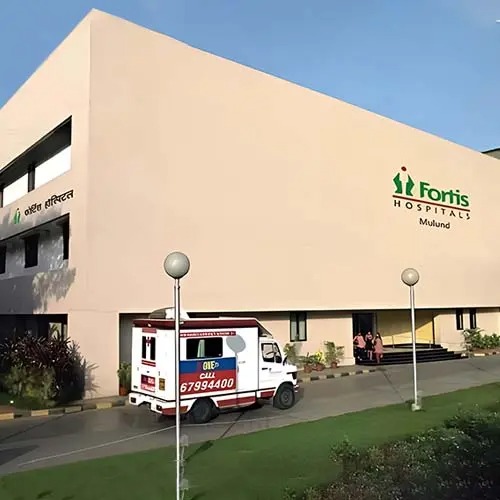
donate their loved one's organs and tissues. Fortis Hospital, Mulund facilitated the donation,
offering a new lease of life to multiple recipients across the city awaiting lifesaving
transplants. This marks Mumbai's 33rd cadaveric organ donation of 2026.
Initially unfamiliar with the process of deceased organ donation & the profound impact it
would have on waitlisted patients, the family was counselled by the hospital's ICU team and
transplant coordinators. They were explained how a single donor could save and improve
several lives. After understanding the significance of the noble act, the family chose to
honour their loved one by consenting to organ and tissue donation.
Following the family's consent, both kidneys, corneas and skin were successfully retrieved.
One kidney was allocated to a registered recipient, 54-year old male at Fortis Hospital,
Mulund this retrieval & transplant was conducted by Dr Ramesh Mahajan, Sr Urologist &
Renal Transplant Surgeon, Fortis Hospital Mulund, while the second kidney was allocated
through the Zonal Transplant Coordination Centre (ZTCC) to another city hospital. The
corneas and skin were also retrieved and banked for eligible patients in need. The family's
decision to consent was led by the donor's son, a businessman, and daughter, a teacher,
both residing in Mumbai.
The Zonal Transplant Coordination Centre (ZTCC), Mumbai, coordinated the organ
allocation process, underscoring the critical role of structured organ allocation systems and
transplant networks in optimizing recipient outcomes.
Dr. Charudatt Vaity, Director Critical Care, Fortis Hospital, Mulund, said, "Every organ
donation is a powerful reminder that even in moments of grief, families have the ability to
transform loss into hope for others. Counselling plays a crucial role in helping families
understand the far reaching impact of deceased organ donation. This generous decision has
the potential to improve and save multiple lives while inspiring greater awareness about
organ donation in the community."
Dr. Vishal Beri, Facility Director, Fortis Hospital, Mulund, added, "Mumbai's 33 rd
deceased organ donation of the year reflects the growing awareness around organ donation
and the willingness of families to make informed decisions during emotionally challenging
circumstances. We hope more people come forward to pledge organ donation and help
bridge the gap between organ demand and availability."
The successful organ retrieval highlights the importance of timely counselling,
multidisciplinary coordination and an efficient organ allocation system in enabling life saving
transplants. Healthcare experts continue to encourage greater public awareness about
deceased organ donation so that more patients waiting for transplants can receive a second
chance at life.