
Stroke Ready Hospitals Can Save Thousands of Lives Every Year; Indian Stroke Association Intensifies Nationwide Awareness and Doctor Training
Stroke has emerged as one of India's fastest growing medical emergencies, affecting more than 1.8 million people every year and leaving thousands with lifelong disabilities. Experts believe that while advanced stroke treatments are now available

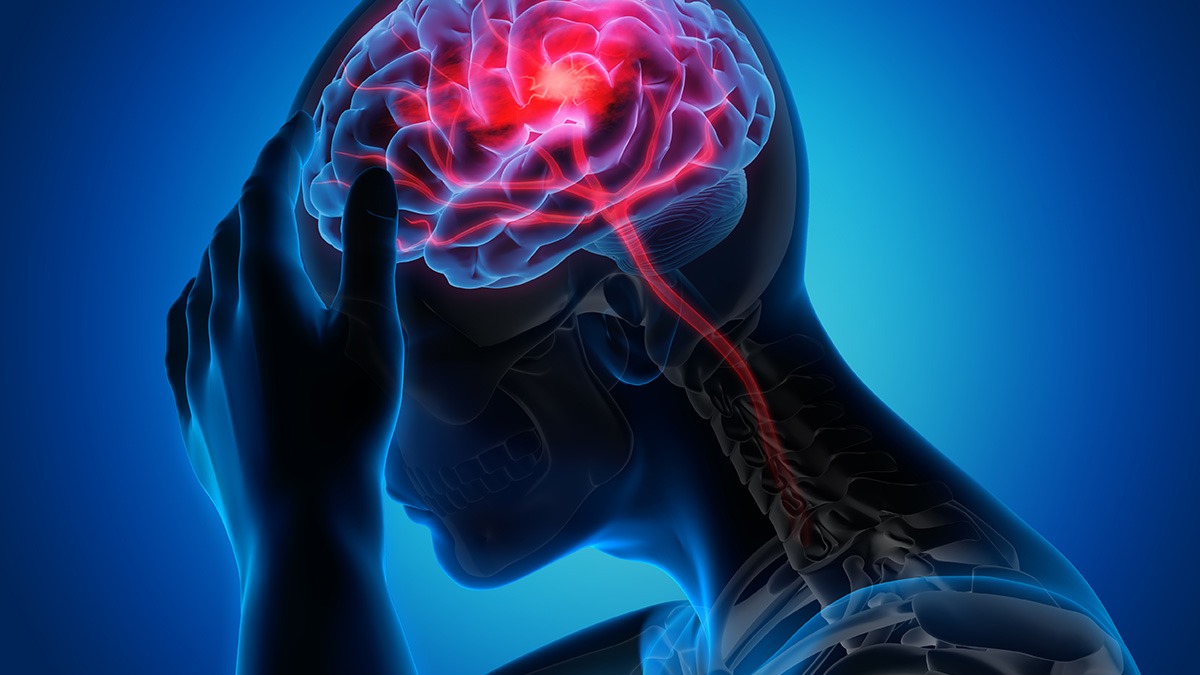
Stroke has emerged as one of India’s fastest growing medical emergencies, affecting more than 1.8 million people every year and leaving thousands with lifelong disabilities. Experts believe that while advanced stroke treatments are now available in many hospitals, the biggest challenge remains delayed recognition of symptoms and late arrival at a stroke ready hospital. Every minute during a stroke, nearly 1.9 million brain cells are lost, making immediate medical attention critical. Doctors stress that reaching a hospital within the “golden window” upto 24 hours can significantly improve recovery and reduce paralysis, speech problems, and long-term disability. Unfortunately, many patients lose this valuable time because symptoms are mistaken for weakness, fatigue, or dizziness instead of a medical emergency.
A stroke-ready hospital is equipped with trained emergency teams, neurologists, brain imaging facilities such as CT and MRI scans, clot-busting medicines(upto 4.5 hours), and advanced procedures like mechanical thrombectomy(upto 24 hours) for eligible patients. These hospitals follow internationally accepted stroke protocols that ensure rapid diagnosis and treatment from the moment a patient enters the emergency department. Studies show that patients treated in dedicated stroke ready centres have better survival rates, lower disability, and faster recovery compared to those reaching hospitals without specialized stroke care. Experts say the first few hours after symptom onset determine whether a patient walks out independently or lives with permanent disability. Therefore, creating a strong network of stroke ready hospitals across India has become one of the country’s most important healthcare priorities.
Recognising this urgent need, the Indian Stroke Association (ISA) has been leading nationwide efforts to improve stroke awareness among the public and healthcare professionals. Through Continuing Medical Education (CME) programmes, workshops, conferences, hospital accreditation initiatives, public campaigns, and community outreach activities, ISA is educating doctors, emergency teams, nurses, and citizens on early identification and timely referral of stroke patients. The association is also promoting the simple B.E.F.A.S.T. approach Balance loss, Eye problems, Face drooping, Arm weakness, Speech difficulty, and Time to reach a hospital immediately which enables even ordinary citizens to recognise stroke symptoms quickly. Across multiple states, ISA has been working with hospitals, medical colleges, healthcare institutions, and government bodies to ensure that stroke patients receive faster diagnosis and evidence based treatment without unnecessary delays.
Speaking about the importance of early intervention, Dr. Vikram Huded, Senior Intervention Neurologist, President, Indian Stroke Association (ISA), said, “Stroke is not merely a neurological disease; it is a race against time. Every minute lost results in irreversible brain damage. Our mission is to ensure that every Indian understands the warning signs of stroke and reaches a stroke ready hospital without delay. Through public awareness campaigns, hospital accreditation, and continuous medical education, ISA is committed to strengthening India’s stroke care ecosystem so that more patients survive with better quality of life.”
Dr. Arvind Sharma, Senior Neurologist, stroke specialist and Secretary of the Indian Stroke Association (ISA), added, “Many stroke patients can recover remarkably well if they receive treatment within the golden treatment window. Unfortunately, delayed recognition remains one of the biggest barriers in India. Our continuous training programmes for local physicians, emergency doctors, healthcare workers, and hospital teams aim to create a stronger referral network where stroke is identified immediately and patients are transferred rapidly to stroke ready hospitals. Public awareness and professional education together can save thousands of lives every year.”