
Centre to Launch Strategic Framework to Reduce Maternal and Infant Mortality by 2030 Through Life-Cycle Healthcare Approach
The Union Ministry of Health and Family Welfare is set to launch a comprehensive strategic framework aimed at accelerating India's efforts to reduce maternal and infant mortality by 2030, aligning with the country's commitments under

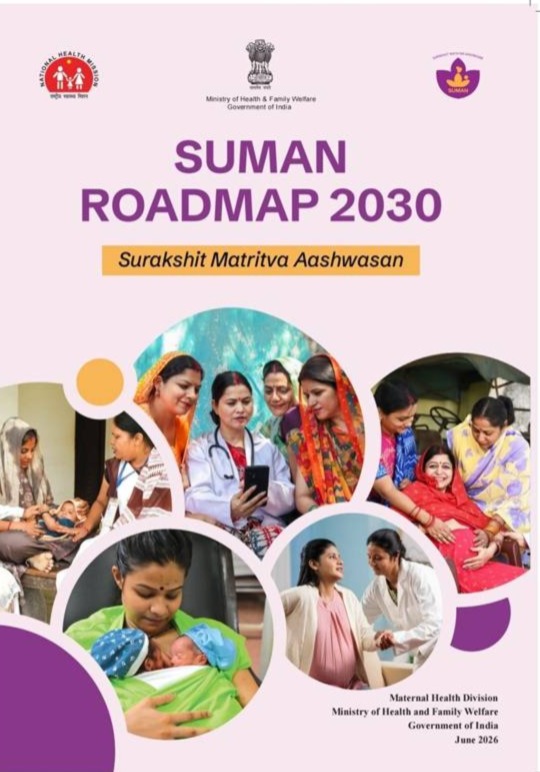
The Union Ministry of Health and Family Welfare is set to launch a comprehensive strategic framework aimed at accelerating India’s efforts to reduce maternal and infant mortality by 2030, aligning with the country’s commitments under the Sustainable Development Goals (SDGs). The framework adopts a life cycle approach and focuses on delivering evidence based interventions tailored to the specific needs of states and districts.
According to the Ministry of Health, the new framework integrates interventions across the entire continuum of care, including pre pregnancy care, antenatal care, intrapartum care, postnatal care, newborn health and early childhood interventions. The strategy aims to strengthen healthcare delivery systems, improve access to quality maternal and child healthcare services and address regional disparities in health outcomes.
The framework emphasizes data driven planning, targeted interventions and enhanced monitoring mechanisms to support states in reducing preventable maternal and infant deaths. It also seeks to strengthen referral systems, improve institutional deliveries, expand newborn care services and ensure timely management of high risk pregnancies and vulnerable infants.
India has recorded substantial progress in maternal and child health over the past decade. According to the latest Sample Registration System (SRS) data, the country’s Maternal Mortality Ratio (MMR) declined to 97 maternal deaths per 100,000 live births, while the Infant Mortality Rate (IMR) decreased to 26 deaths per 1,000 live births. However, public health experts note that achieving the SDG targets by 2030 will require intensified efforts, particularly in high burden districts and underserved regions.
The ministry stated that the strategic framework will provide states with evidence-based tools and implementation guidelines to strengthen maternal and child health programmes. The initiative is expected to leverage digital health technologies, improved surveillance systems and community based interventions to ensure timely identification and management of health risks.
Healthcare experts have welcomed the life cycle approach, noting that interventions spanning pre conception to early childhood can significantly improve long-term health outcomes. They emphasize that integrated healthcare delivery, nutrition support, immunization coverage and early screening are essential components of reducing maternal and infant mortality.
The launch of the strategic framework reflects the government’s continued commitment to strengthening maternal and child healthcare systems and advancing universal health coverage. By focusing on prevention, early intervention and continuity of care, the initiative aims to further improve health outcomes for mothers and children across India by the end of the decade.