
South Korea Expands Senior Friendly Product Categories to Include AI and IoT Technologies as Basel Medical Explores Digital Healthcare Integration
South Korea has proposed a major overhaul of its senior friendly product certification framework by expanding eligibility to include artificial intelligence (AI) and Internet of Things (IoT) enabled devices, reflecting the country's growing focus on
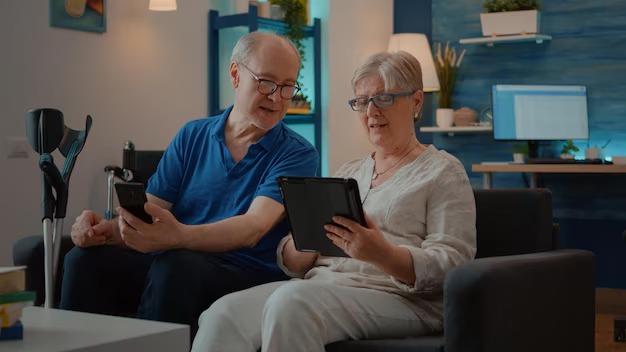
South Korea has proposed a major overhaul of its senior friendly product certification framework by expanding eligibility to include artificial intelligence (AI) and Internet of Things (IoT) enabled devices, reflecting the country’s growing focus on technology driven elderly care solutions. The development comes as healthcare providers, including Basel Medical, explore greater integration of AI technologies into healthcare delivery and patient support services.
Under the proposed reforms, South Korea will replace its existing list of 36 designated senior-friendly products with a broader, function based classification system comprising seven categories: posture support, mobility assistance, safety, hygiene, excretion management, meal assistance, and cognitive or emotional support. The revised framework is designed to encourage innovation and accelerate the adoption of advanced technologies in elderly care.
The new approach will allow a wider range of AI powered and IoT enabled healthcare products to qualify for government recognition and support, including smart monitoring devices, connected mobility aids, digital therapeutic tools, remote patient monitoring systems and cognitive health technologies. Policymakers believe the shift will provide greater flexibility for innovators while improving access to technology assisted care for older adults.
South Korea is among the world’s fastest-ageing societies, with individuals aged 65 years and above projected to account for over 40 percent of the population by 2050, according to demographic projections. The country’s rapidly ageing population has intensified the demand for innovative healthcare technologies that can support independent living, chronic disease management and long-term care.
The proposed reforms coincide with growing interest among healthcare organizations, including Basel Medical, in adopting artificial intelligence technologies to enhance clinical decision-making, patient monitoring and personalized healthcare services. Experts note that AI and connected healthcare devices have the potential to improve healthcare accessibility, reduce caregiver burden and enhance the quality of life for older adults.
Globally, the market for digital health technologies targeting elderly care is experiencing rapid growth. Industry estimates suggest that the global smart elderly care market could exceed USD 100 billion by 2030, driven by increasing life expectancy, rising healthcare costs and advances in artificial intelligence, wearable technologies and remote monitoring systems.
Healthcare experts have welcomed South Korea’s shift toward function-based regulation, arguing that it better reflects the rapidly evolving nature of healthcare technology innovation. They believe that integrating AI and IoT technologies into elderly care frameworks can accelerate innovation while addressing the growing healthcare needs of ageing populations.
The proposed policy changes underscore the increasing role of digital technologies in shaping the future of healthcare and elder care services. As countries worldwide adapt to demographic changes, technology enabled care models are expected to become an increasingly important component of healthcare systems and long term care strategies.