

WHO Warns of Disease Outbreak Risks in Earthquake Hit Venezuela as Health System Faces Severe Strain
WHO has raised concerns over the growing risk of infectious disease outbreaks in Venezuela following the devastating twin earthquakes that struck the country last week, overwhelming healthcare facilities and disrupting critical public health services. The

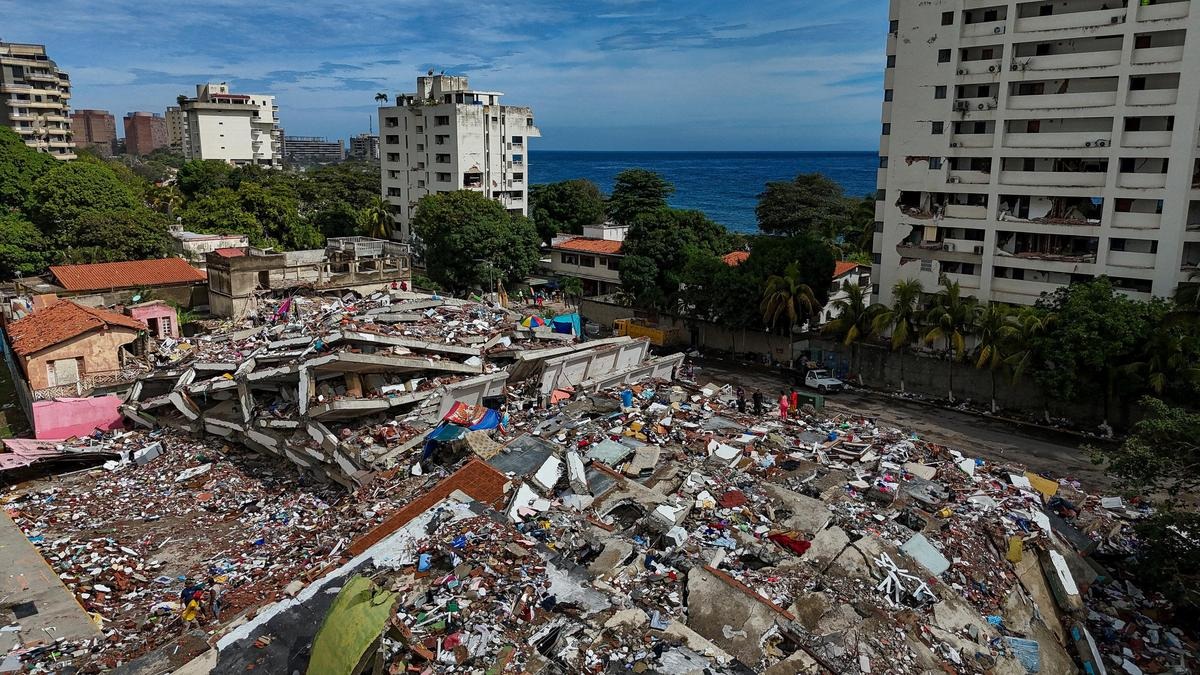
WHO has raised concerns over the growing risk of infectious disease outbreaks in Venezuela following the devastating twin earthquakes that struck the country last week, overwhelming healthcare facilities and disrupting critical public health services. The warning comes as authorities continue to grapple with a mounting humanitarian crisis triggered by the 7.5 and 7.2 magnitude earthquakes that struck on June 24.
According to the latest official figures cited by the WHO, the disaster has resulted in approximately 1,700 deaths and over 5,000 injuries, while thousands of people remain unaccounted for. The organization warned that the collapse of health infrastructure, overcrowding in hospitals and low vaccination coverage could create conditions conducive to outbreaks of vaccine preventable and vector borne diseases.
WHO spokesperson Christian Lindmeier stated that Venezuela’s healthcare system is operating under extreme pressure, with hospitals struggling to manage a surge in trauma cases. The organization has identified heightened risks of outbreaks of measles, diphtheria, yellow fever, malaria, dengue, chikungunya and Zika, particularly in areas affected by displacement, poor sanitation and disrupted healthcare services.
According to the Venezuelan government, 38 hospitals have been affected by the earthquakes. WHO assessments conducted across 21 health facilities in Caracas, La Guaira, Miranda and Falcon found that three facilities are in critical condition, while six have sustained structural damage or are operating only partially. The remaining facilities continue to function but are experiencing severe operational strain.
The WHO also highlighted major challenges in registering casualties and tracking missing persons due to the collapse of forensic and morgue services. Preliminary assessments revealed overcrowded healthcare facilities, growing surgical backlogs, particularly in trauma, orthopaedics and neurosurgery, breakdowns in biosafety protocols and severe staff shortages.
The humanitarian impact of the disaster continues to escalate. Preliminary satellite assessments conducted by researchers using European Space Agency imagery suggest that nearly 58,870 buildings may have been damaged or destroyed by the twin earthquakes. International humanitarian agencies, including the United Nations High Commissioner for Refugees (UNHCR) and Médecins Sans Frontières (MSF), have launched emergency response efforts to support affected populations.
Public health experts warn that natural disasters frequently increase the risk of infectious disease outbreaks due to displacement, inadequate sanitation, disruption of vaccination programmes and limited access to healthcare services. They emphasize that strengthening disease surveillance, restoring healthcare infrastructure and ensuring access to clean water and sanitation services are critical to preventing secondary public health emergencies.
The WHO’s latest warning underscores the urgent need for coordinated international assistance as Venezuela confronts one of its most severe humanitarian and public health crises in recent history.