
JP Nadda Reviews Dengue Preparedness in Delhi Ahead of Peak Transmission Season, Calls for Enhanced Surveillance and Vector Control
Union Health Minister Jagat Prakash Nadda has reviewed Delhi's preparedness measures for dengue ahead of the peak transmission season, emphasizing the need for strengthened surveillance, rapid response mechanisms and coordinated vector control efforts to prevent

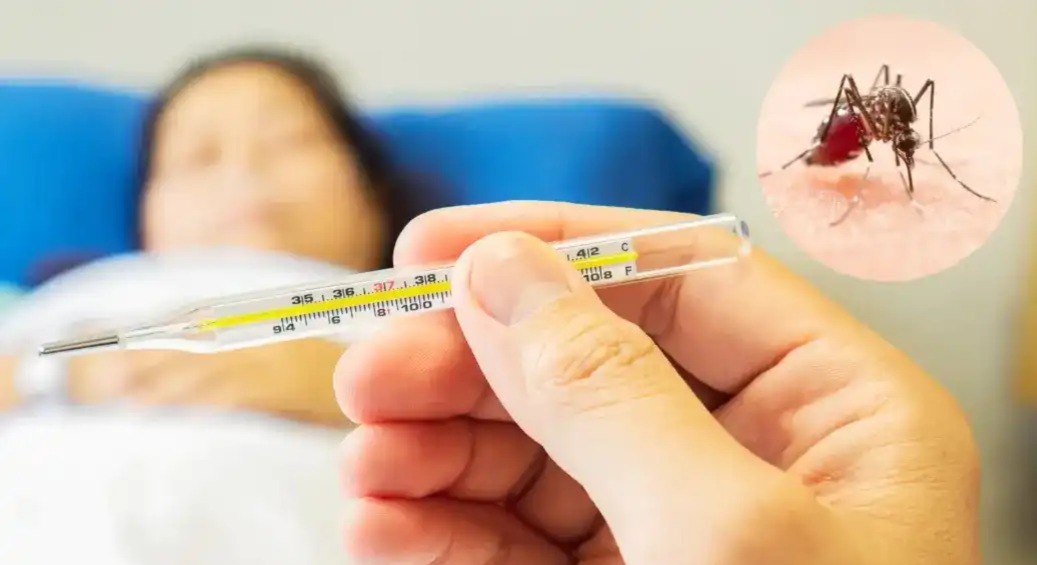
Union Health Minister Jagat Prakash Nadda has reviewed Delhi’s preparedness measures for dengue ahead of the peak transmission season, emphasizing the need for strengthened surveillance, rapid response mechanisms and coordinated vector control efforts to prevent outbreaks during the monsoon months.
Chairing a high level meeting on dengue preparedness in the national capital, Nadda assessed the current epidemiological situation and reviewed the preparedness of hospitals, municipal corporations and the Delhi government. The discussions focused on surveillance systems, clinical management protocols, hospital readiness, laboratory capacity and vector control measures to ensure an effective response to potential dengue outbreaks.
The Union Health Minister directed all concerned agencies to enhance surveillance activities for the early detection of cases and outbreaks. He stressed the importance of prompt reporting, active monitoring, integrated disease surveillance and rapid response mechanisms to contain the spread of infections. Officials were also instructed to strengthen public awareness campaigns and community participation initiatives aimed at reducing mosquito breeding sites.
According to the National Centre for Vector Borne Diseases Control (NCVBDC), dengue remains one of India’s most significant vector borne diseases, with seasonal outbreaks occurring during and after the monsoon period. Public health experts have warned that changing climatic conditions, urbanization and increased rainfall patterns have contributed to the growing burden of dengue across several regions of the country.
The review meeting also examined hospital preparedness, including the availability of isolation beds, critical care facilities, blood products, diagnostic kits and trained healthcare personnel. Healthcare institutions were advised to strictly adhere to standard clinical management protocols to ensure timely diagnosis and treatment of dengue patients.
The World Health Organization (WHO) estimates that approximately 100-400 million dengue infections occur globally each year, with nearly half of the world’s population at risk of infection. India continues to account for a significant share of dengue cases reported in the South-East Asia region, making surveillance and preventive interventions critical public health priorities.
Public health experts emphasize that effective dengue prevention requires a multi sectoral approach involving healthcare institutions, municipal authorities, environmental agencies and community participation. Key preventive measures include eliminating stagnant water sources, strengthening vector surveillance and promoting awareness regarding early symptoms and timely medical consultation.
The Union Health Ministry has also emphasized the importance of leveraging digital surveillance systems and real-time data reporting to improve outbreak detection and response. Experts believe that early intervention, robust surveillance and coordinated public health action are essential to reducing morbidity and mortality associated with dengue.
The review underscores the government’s continued focus on strengthening preparedness for seasonal vector borne diseases and highlights the importance of proactive public health measures in preventing large scale outbreaks during the monsoon season.