
AI-Powered 11-Gene Blood Test Shows Promise for Early Detection of Multiple Cancers
Researchers have developed an artificial intelligence (AI)-driven 11-gene blood test that could pave the way for affordable and non invasive early detection of multiple cancers, marking another significant step in the use of AI for

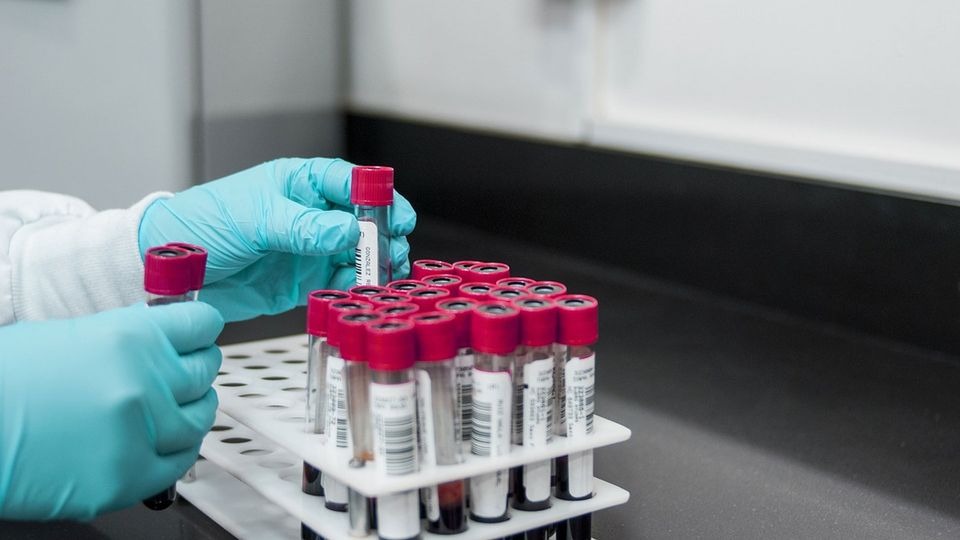
Researchers have developed an artificial intelligence (AI)-driven 11-gene blood test that could pave the way for affordable and non invasive early detection of multiple cancers, marking another significant step in the use of AI for precision oncology. The novel test analyzes platelet RNA to identify genetic signatures associated with cancer, potentially enabling diagnosis before symptoms appear.
According to the research team, one of the study’s key achievements is the development of an 11-gene biomarker panel capable of detecting molecular changes in blood platelets, which are increasingly being recognized as valuable indicators of cancer. By combining AI algorithms with genomic analysis, the researchers were able to identify patterns that distinguish cancer patients from healthy individuals with high accuracy.
The scientists believe the technology could eventually evolve into a cost-effective multi cancer screening tool, offering a less invasive alternative to conventional diagnostic methods. Unlike tissue biopsies, the blood based approach requires only a routine blood sample, making it more practical for large scale screening and earlier diagnosis.
Cancer remains one of the leading causes of death worldwide. According to the World Health Organization (WHO), nearly 2 crore new cancer cases and around 97 lakh cancer related deaths were recorded globally in 2022. In India, the Indian Council of Medical Research (ICMR) estimates that the country is expected to report over 15.7 lakh new cancer cases in 2025, highlighting the urgent need for affordable and accessible early detection technologies.
Healthcare experts note that early diagnosis remains one of the most effective strategies for improving cancer survival rates, as many cancers can be treated more successfully when detected at an early stage. Advances in artificial intelligence, genomics and liquid biopsy technologies are increasingly enabling researchers to identify subtle biological changes long before clinical symptoms become evident.
Researchers emphasized that while the findings are promising, the test will require validation through larger multi centre clinical trials before it can be introduced into routine clinical practice. Further studies will also be needed to evaluate its performance across different cancer types and diverse patient populations.
Experts have welcomed the breakthrough, stating that AI-powered blood tests could transform cancer screening by making early diagnosis more accessible, affordable and accurate. If successfully validated, the technology could support population level cancer screening programmes and significantly improve treatment outcomes through earlier intervention.