
WHO Warns Global Cancer Cases Could Nearly Double to 35 Million by 2050, Calls for Urgent Action
The World Health Organization has warned that the number of new cancer cases worldwide could rise to nearly 35 million annually by 2050 unless countries urgently strengthen cancer prevention, early diagnosis, treatment and palliative care.

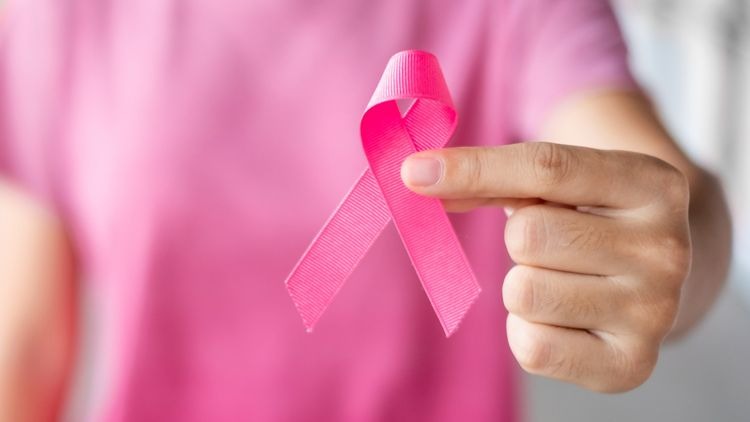
The World Health Organization has warned that the number of new cancer cases worldwide could rise to nearly 35 million annually by 2050 unless countries urgently strengthen cancer prevention, early diagnosis, treatment and palliative care. The warning comes in the WHO Global Status Report on Cancer 2026, developed jointly with the International Agency for Research on Cancer (IARC).
According to the report, cancer currently accounts for an estimated 20.6 million new cases and nearly 10 million deaths every year, making it the second leading cause of death globally after cardiovascular diseases. The disease claims more than 26,000 lives every day, while nearly one in five people worldwide is expected to develop cancer during their lifetime.
WHO said scientific advances in cancer prevention, diagnostics and treatment have improved survival rates, but access to these services remains highly unequal. Many low and middle income countries continue to face shortages of cancer medicines, radiotherapy facilities, trained specialists and financial protection, leaving millions of patients without timely care.
The report calls on governments to adopt a people centred approach by investing in tobacco control, HPV and hepatitis B vaccination, early screening programmes, affordable treatment and palliative care. WHO noted that strengthening universal health coverage and integrating cancer services into national health systems will be essential to reducing premature deaths and improving patient outcomes.
Healthcare experts said population growth, ageing and increasing exposure to risk factors such as tobacco use, obesity, unhealthy diets, alcohol consumption and air pollution are expected to drive the rising cancer burden. They stressed that expanding access to prevention and early diagnosis remains the most effective strategy to reduce mortality and healthcare costs.
The WHO urged countries to act immediately, warning that without sustained investments and equitable access to cancer care, millions more people will face the physical, emotional and financial impact of the disease over the coming decades.