

Jaipur Doctors Identify CRIB-II Score as Effective Early Tool to Predict Health Risks in Premature Newborns
A new clinical study conducted by doctors at JK Lone Hospital, Jaipur, has identified the Clinical Risk Index for Babies-II (CRIB-II) score as an effective tool for assessing health risks in premature newborns soon after

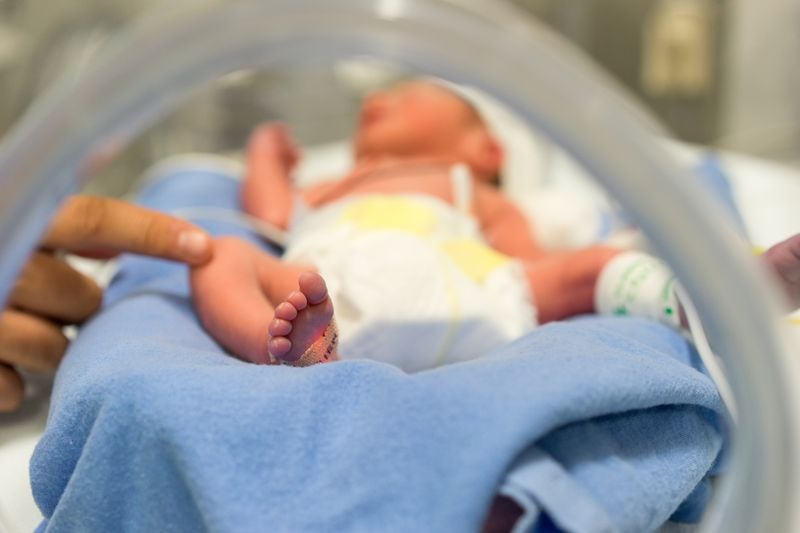
A new clinical study conducted by doctors at JK Lone Hospital, Jaipur, has identified the Clinical Risk Index for Babies-II (CRIB-II) score as an effective tool for assessing health risks in premature newborns soon after admission. The findings are expected to support early clinical decision-making and improve outcomes for high-risk neonates requiring intensive care.
Study Overview
The study evaluated 181 premature babies admitted to the Neonatal intensive care unit (NICU) at JK Lone Hospital. Researchers found that the CRIB-II scoring system can help clinicians quickly identify newborns at a higher risk of complications, enabling timely intervention, closer monitoring, and better allocation of critical care resources.
What Is the CRIB-II Score?
The CRIB-II (Clinical Risk Index for Babies-II) is an internationally recognised neonatal risk assessment tool that estimates the severity of illness in preterm infants using key clinical parameters, including birth weight, gestational age, body temperature, sex, and base excess measured shortly after birth. The score is widely used to predict mortality risk and assess the overall condition of premature babies during the first hours of life.
Why Early Risk Assessment Matters
Premature birth remains a major public health challenge worldwide. According to the World Health Organization (WHO), an estimated 13.4 million babies are born preterm every year, accounting for more than one in every 10 live births globally. Complications related to prematurity remain the leading cause of death among children under five years of age, highlighting the importance of early risk assessment and specialised neonatal care.
Expert Recommendations
The researchers noted that integrating the CRIB-II score into routine neonatal assessment could help healthcare teams prioritise treatment for vulnerable infants, improve prognostic accuracy, and support evidence-based clinical management in NICUs.
Healthcare experts believe the findings reinforce the growing role of validated clinical scoring systems in neonatal medicine. As India’s neonatal care infrastructure continues to expand, adopting standardised tools such as CRIB-II could strengthen early diagnosis, optimise NICU resource utilisation, and contribute to improved survival and long-term health outcomes for premature newborns.