

Violence Against Healthcare Workers Remains a Global Crisis, WHO Says 4 in 10 Face Physical Assault During Their Careers
Violence against healthcare workers continues to pose a serious global public health challenge. The World Health Organization (WHO) estimates that 4 in 10 health workers experience physical violence at some point during their careers. When

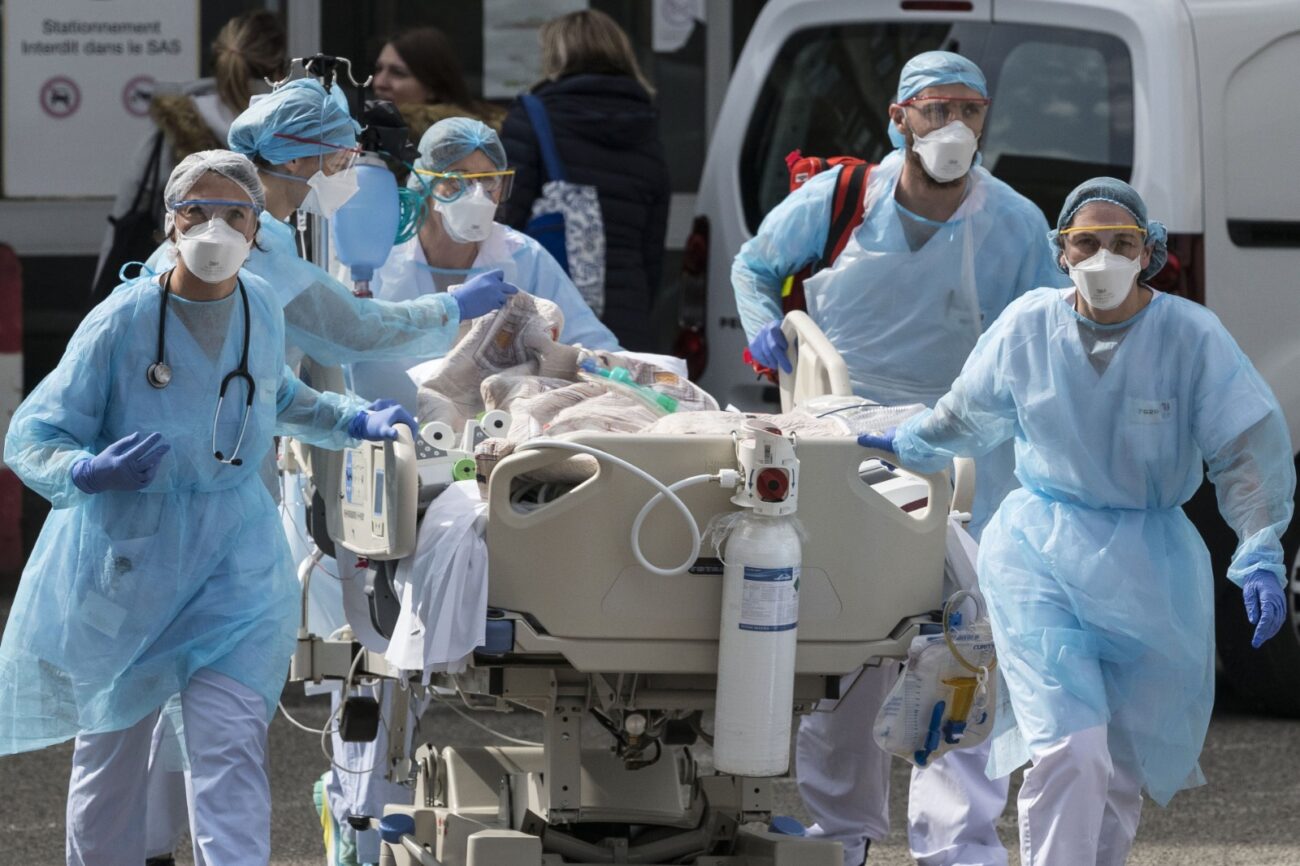
Violence against healthcare workers continues to pose a serious global public health challenge. The World Health Organization (WHO) estimates that 4 in 10 health workers experience physical violence at some point during their careers. When verbal abuse, threats, and harassment are included, that figure rises to more than 60%, pointing to an urgent need for stronger workplace safety measures across healthcare settings worldwide.
Renewed Focus After Attacks on Doctors in India
The issue has drawn fresh attention following recent assaults on doctors in India, prompting healthcare bodies to renew their demand for stricter legal protection for medical professionals. The Indian Medical Association (IMA) has launched an interactive digital database documenting 100 reported cases of violence against doctors across the country in recent years, underlining both the scale of the problem and the need for systemic reform.
Where and Who Faces the Most Risk
According to WHO, healthcare workers face violence in hospitals, emergency departments, primary care centres, and community settings, with patients and visitors responsible for most incidents. Nurses, emergency department staff, paramedics, and other frontline healthcare professionals are among the most vulnerable groups. WHO notes that workplace violence damages not just the physical and mental well-being of healthcare workers, but also fuels burnout, staff shortages, reduced productivity, and compromised patient care.
The Numbers Behind the Crisis
WHO estimates that between 8% and 38% of health workers suffer physical violence during their careers. Among non-physical forms of workplace violence, verbal abuse is the most common at 58%, followed by threats at 33% and sexual harassment at 12%. To tackle the problem, WHO has partnered with the International Labour Organization (ILO), the International Council of Nurses (ICN), and Public Services International (PSI) to develop joint global framework guidelines that help countries strengthen violence-prevention policies in healthcare settings.
What WHO Recommends
WHO has urged governments and healthcare institutions to adopt zero-tolerance policies, strengthen reporting mechanisms, improve hospital security, provide staff training on de-escalation techniques, and ensure legal protection for healthcare professionals. The organisation stressed that safeguarding healthcare workers is essential not only for their own well-being but also for maintaining resilient health systems and uninterrupted, high-quality patient care.
FAQs on Violence Against Healthcare Workers
How many healthcare workers face physical violence at work?
According to WHO, around 4 in 10 (roughly 8% to 38%) of healthcare workers experience physical violence at some point in their careers.
What is the most common form of violence faced by healthcare workers?
Verbal abuse is the most common, affecting 58% of healthcare workers, followed by threats (33%) and sexual harassment (12%).
What is IMA’s database on violence against doctors?
The Indian Medical Association has created an interactive digital database recording 100 reported cases of violence against doctors in India, aimed at highlighting the issue and pushing for legal reform.