
Indian Healthcare Industry Rejects USTR ‘Excess Capacity’ Claim, Defends Role in Global Affordable Medicines Supply
India's healthcare and pharmaceutical industry has strongly contested the United States Trade Representative's USTR 'Excess Capacity' Claim that the country maintains “excess capacity” in pharmaceutical manufacturing. Industry representatives asserted that India's production capabilities have evolved


India’s healthcare and pharmaceutical industry has strongly contested the United States Trade Representative‘s USTR ‘Excess Capacity’ Claim that the country maintains “excess capacity” in pharmaceutical manufacturing. Industry representatives asserted that India’s production capabilities have evolved to meet growing global demand for affordable, high-quality medicines, rather than serving any single export market. The issue was discussed during recent engagements between Indian industry representatives and U.S. officials as part of ongoing trade consultations.
Industry Says Capacity Reflects Global Demand, Not Overcapacity
According to industry sources, Indian pharmaceutical manufacturers argued that the country’s manufacturing ecosystem has been built over decades to ensure reliable, cost-effective access to essential medicines for both domestic and international markets. They maintained that India’s production capacity reflects rising global healthcare needs and growing demand from low- and middle-income countries, rather than market distortion or overcapacity.
India’s Standing as the ‘Pharmacy of the World’
India is widely recognised as the “Pharmacy of the World,” supplying medicines to over 200 countries and territories. The country accounts for nearly 20% of the global supply of generic medicines by volume and is a leading supplier of vaccines worldwide. India is also home to more than 3,000 pharmaceutical companies and over 10,500 manufacturing facilities, including the largest number of US FDA-compliant pharmaceutical plants outside the United States. The Indian pharmaceutical industry is valued at approximately US$65 billion and is projected to reach US$130 billion by 2030, driven by exports, innovation, and domestic demand.
A Track Record of Supporting Global Health Emergencies
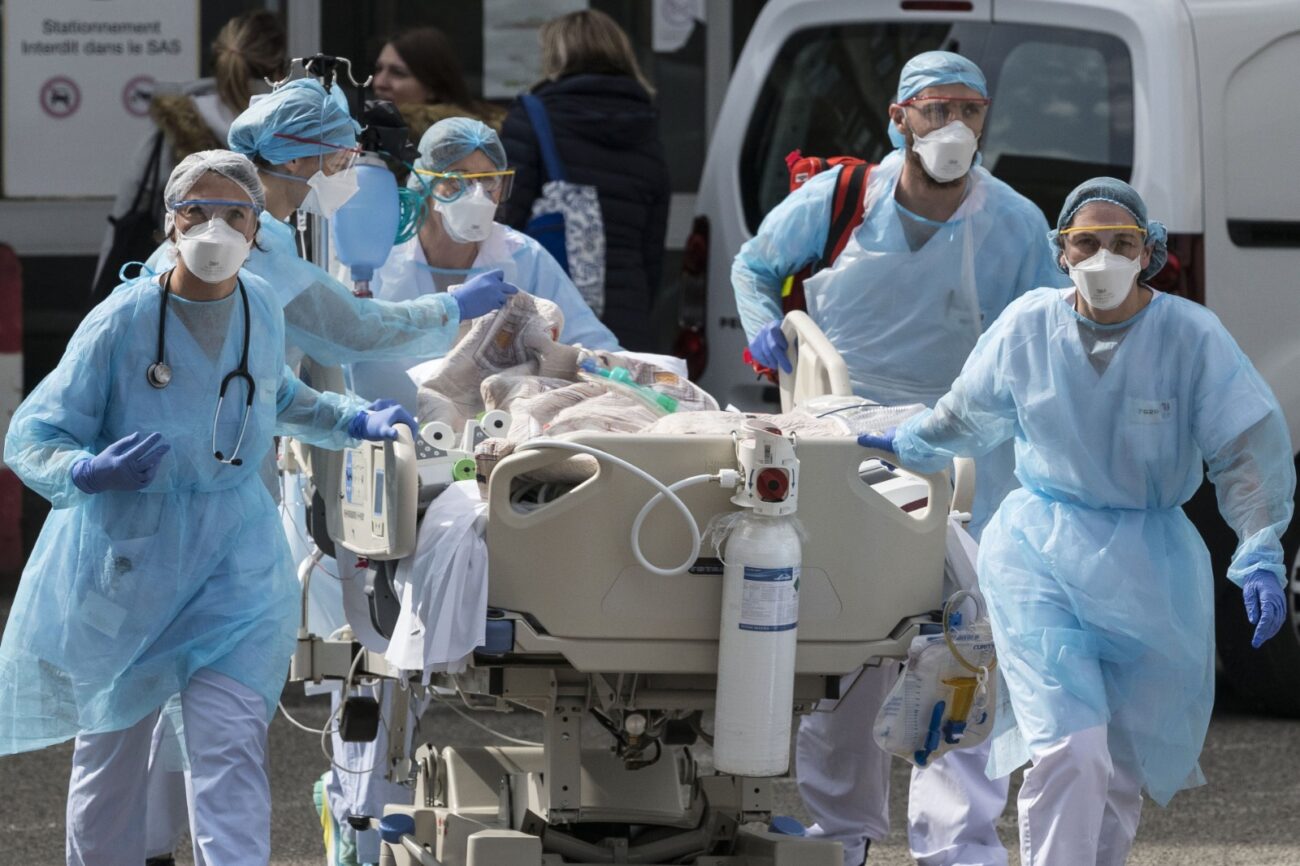
Industry stakeholders also highlighted that India’s manufacturing capacity has played a critical role in ensuring uninterrupted global access to affordable medicines during public health emergencies, including the COVID-19 pandemic. They noted that sustained investments in manufacturing infrastructure, regulatory compliance, and research have enabled Indian companies to remain competitive while supporting healthcare systems across both developed and developing economies.
The Road Ahead for India-U.S. Pharma Trade
The discussions come amid broader India-U.S. trade engagements covering pharmaceuticals, medical devices, and healthcare supply chains. Industry leaders have reiterated that maintaining predictable trade policies and strengthening bilateral cooperation will be essential to ensuring resilient global pharmaceutical supply chains and continued access to affordable medicines worldwide.
FAQs on India’s Pharma Capacity and USTR Claims
What did the USTR claim about India’s pharmaceutical industry?
The USTR claimed that India maintains “excess capacity” in pharmaceutical manufacturing, a claim the Indian industry has strongly rejected.
Why is India called the ‘Pharmacy of the World’?
India supplies medicines to over 200 countries and accounts for nearly 20% of global generic medicine supply by volume, alongside being a leading vaccine supplier.
How big is the Indian pharmaceutical industry?
The industry is valued at approximately US$65 billion and is projected to reach US$130 billion by 2030.