
Amravati Hospital Fire: 3 Newborns Die After Ventilator Blast Triggers Fire in Maharashtra Hospital
Amravati, Maharashtra: A tragic fire incident at a hospital in Amravati has resulted in the deaths of three newborn babies after a ventilator blast reportedly triggered a fire inside the healthcare facility. The incident has raised

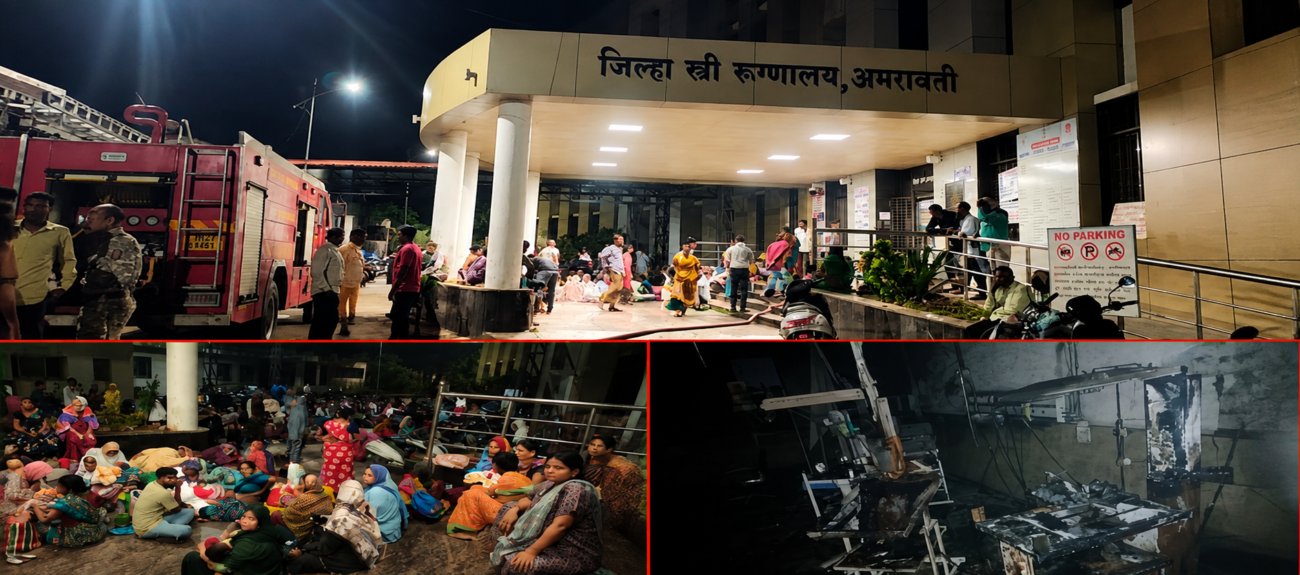
Amravati, Maharashtra: A tragic fire incident at a hospital in Amravati has resulted in the deaths of three newborn babies after a ventilator blast reportedly triggered a fire inside the healthcare facility.
The incident has raised serious concerns around hospital fire safety, medical equipment maintenance, electrical safety and emergency preparedness, particularly in critical-care areas where newborns require continuous medical support.
Three Newborns Die in Hospital Fire
The fire reportedly began following a blast involving a ventilator in the hospital. The incident occurred in an area caring for newborn patients, making the emergency particularly critical.
Newborns receiving intensive medical care often depend on ventilators, monitoring systems and other essential equipment. In such environments, even a sudden equipment failure or fire can create a life-threatening situation within moments.
Hospital Fire Safety Needs Greater Attention
The incident highlights the importance of maintaining comprehensive fire prevention and emergency-response systems across hospitals.
Critical-care departments, including neonatal intensive care units (NICUs), require additional safety measures because patients may not be physically capable of being evacuated independently during an emergency.
Hospitals should regularly review:
Medical equipment maintenance and inspection schedules
Electrical wiring and power-supply safety
Fire detection and suppression systems
Emergency evacuation procedures
Staff training and fire-response drills
Backup systems for ventilators and other life-support equipment
Medical Equipment Maintenance Is Essential
Ventilators and other critical medical devices are essential to patient care, but their continuous operation also makes preventive maintenance extremely important.
Regular inspection, electrical safety checks, servicing and timely replacement of faulty components can help reduce the risk of equipment-related incidents.
Hospitals must also ensure that critical-care staff know how to respond immediately when equipment failure, smoke or fire threatens patient safety.
Protecting Vulnerable Patients
The loss of three newborns underscores the importance of patient safety beyond clinical treatment. Healthcare facilities need strong infrastructure, reliable medical equipment and well-practised emergency procedures to protect vulnerable patients.
Fire preparedness becomes especially important in NICUs, ICUs and other high-dependency units, where moving patients quickly can be extremely challenging.
A Reminder for Healthcare Facilities
The Amravati incident serves as a serious reminder that hospital safety requires continuous attention and regular assessment.
Healthcare institutions should treat fire safety, electrical safety, equipment maintenance and emergency preparedness as integral parts of patient care. Strong safety protocols can help healthcare teams respond more effectively when unexpected emergencies occur.
As investigations and further official developments continue, greater attention to hospital safety standards can help strengthen preparedness and protect patients, families and healthcare workers.