

World Arthritis Day: Arthritis Awareness & Care
Introduction Joint pain, stiffness and swelling can make everyday activities such as walking, climbing stairs, opening a bottle or getting out of bed more difficult. Although these symptoms are often associated with ageing, arthritis can affect

Introduction
Joint pain, stiffness and swelling can make everyday activities such as walking, climbing stairs, opening a bottle or getting out of bed more difficult. Although these symptoms are often associated with ageing, arthritis can affect people of different ages, including children and young adults. Recognising the early warning signs and seeking appropriate medical care can help people manage symptoms and maintain their quality of life.
World Arthritis Day is an important opportunity to raise awareness about arthritis, encourage early diagnosis and highlight the importance of accessible treatment and long-term joint care. Understanding the condition can help individuals make informed decisions about their health and support family members living with joint problems.
In this article, we explore what World Arthritis Day means, the common types of arthritis, its symptoms and risk factors, available treatment options, and practical steps for maintaining healthy joints.
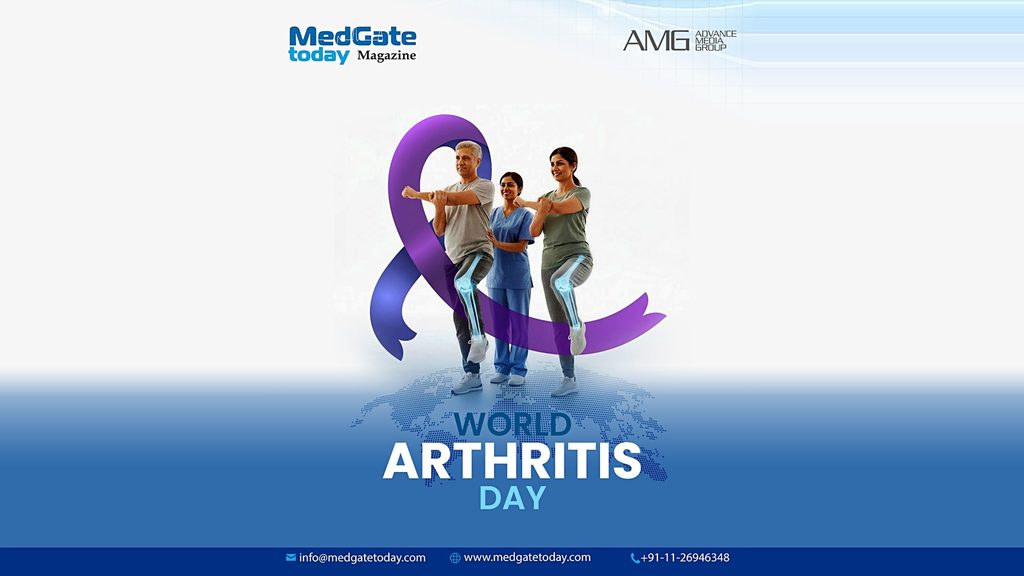
What Is World Arthritis Day?
World Arthritis Day is observed every year on 12 October to increase awareness of rheumatic and musculoskeletal diseases, including different forms of arthritis. The awareness initiative encourages patients, healthcare professionals, organisations and communities to work together to improve understanding, diagnosis, treatment and support for people living with these conditions.
Arthritis is not a single disease. It refers to a group of conditions that affect the joints and surrounding tissues. Some forms primarily involve the gradual breakdown of joint cartilage, while others occur when the immune system mistakenly attacks healthy tissues.
World Arthritis Day highlights the importance of recognising symptoms early rather than dismissing persistent joint pain as a normal part of ageing. It also promotes patient education, physical activity, appropriate medical guidance and better access to healthcare services.
What Is Arthritis?
Arthritis is a condition that causes inflammation, pain, stiffness or damage in one or more joints. Joints are the places where two or more bones meet, allowing the body to move. When a joint becomes inflamed or its protective structures are damaged, movement may become uncomfortable or restricted.
The symptoms and severity of arthritis vary depending on the type of condition, the joints affected and the individual’s overall health. Some people experience occasional discomfort, while others may develop persistent pain and difficulty performing daily activities.
Although arthritis is more common with increasing age, it is not limited to older adults. Certain autoimmune conditions can develop in younger people, and juvenile arthritis can affect children.
Early diagnosis is important because different types of arthritis require different approaches to treatment. Identifying the underlying cause helps healthcare professionals recommend suitable medication, exercise, rehabilitation and other management strategies.
Common Types of Arthritis
Understanding the different types of arthritis can help people recognise why joint symptoms occur and why medical evaluation matters.
Osteoarthritis
Osteoarthritis is one of the most common forms of arthritis. It develops when the structures within a joint, including cartilage, undergo gradual changes and damage. It frequently affects the knees, hips, hands and spine.
Symptoms may include pain during movement, stiffness after periods of rest and reduced flexibility. Ageing, previous joint injuries and excess body weight can increase the risk.
Rheumatoid Arthritis
Rheumatoid arthritis is an autoimmune disease in which the immune system mistakenly attacks the lining of the joints. This can cause inflammation, swelling, pain and prolonged morning stiffness.
It often affects several joints, sometimes on both sides of the body. Without appropriate treatment, persistent inflammation can damage joints and may affect other organs.
Gout
Gout is a form of inflammatory arthritis caused by the formation of urate crystals in and around joints. It often affects the big toe, although other joints can also be involved.
A gout attack may cause sudden, intense pain, redness, warmth and swelling. Medical treatment can help control attacks and reduce the risk of future episodes.
Psoriatic Arthritis
Psoriatic arthritis is an inflammatory condition that can develop in people with psoriasis, a disease that affects the skin. It may cause joint pain, swelling, stiffness and swelling of entire fingers or toes.
Early medical assessment is important because treatment can help control inflammation and reduce the risk of lasting joint damage.
Arthritis Symptoms and Early Warning Signs
Arthritis symptoms differ from person to person, but certain warning signs deserve attention, particularly when they persist or interfere with everyday life.
Common arthritis symptoms include joint pain during movement or at rest, swelling around affected joints, stiffness after waking up, reduced range of motion and tenderness. Some people may also experience warmth around a joint or fatigue, especially with inflammatory forms of arthritis.
Morning stiffness that lasts for a prolonged period can be a feature of inflammatory arthritis. Sudden, severe pain and swelling may indicate gout or another acute joint problem.
These symptoms do not always mean a person has arthritis. Injuries, infections and other medical conditions can produce similar problems. A healthcare professional can assess the symptoms and determine whether further investigation is needed.
Causes and Risk Factors of Arthritis
There is no single cause of arthritis. Different forms develop through different biological processes, and several risk factors can contribute to joint problems.
Age is an important risk factor for osteoarthritis, but joint damage can also follow an injury or repeated stress. Excess body weight places additional pressure on weight-bearing joints, particularly the knees and hips.
Genetics may influence the likelihood of developing certain types of arthritis. Autoimmune diseases, including rheumatoid arthritis, involve an abnormal immune response, while gout is associated with elevated urate levels and crystal formation.
Smoking can increase the risk of rheumatoid arthritis and may worsen health outcomes. Some infections can also trigger certain forms of inflammatory arthritis.
Understanding personal risk factors can help individuals seek timely medical advice and adopt healthier habits. However, arthritis cannot always be prevented, even when someone maintains a healthy lifestyle.
Arthritis Treatment and Management Options
There is no universal treatment for every type of arthritis. The right approach depends on the diagnosis, the severity of symptoms, existing medical conditions and the person’s individual needs.
Medication and Medical Care
Healthcare professionals may recommend pain-relieving medicines, anti-inflammatory drugs or other treatments depending on the condition. People with rheumatoid arthritis may need disease-modifying antirheumatic drugs to control inflammation and help prevent joint damage.
Gout may require medicines to manage acute attacks and, when appropriate, treatment to lower urate levels over time. Patients should not start or stop prescribed medication without consulting their healthcare professional.
Exercise and Physiotherapy
Regular, appropriate physical activity can improve flexibility, strengthen the muscles supporting joints and help maintain mobility. Walking, swimming, cycling and water-based exercise may be suitable options for some people.
A physiotherapist can recommend exercises based on the affected joints and the individual’s physical abilities. Activities should be adjusted if they cause significant pain or worsen symptoms.
Weight Management and Daily Support
Maintaining a healthy weight can reduce pressure on the knees and hips. Balanced nutrition, adequate sleep and pacing activities throughout the day may also help people manage symptoms.
For advanced joint damage, a specialist may discuss injections or surgical procedures, including joint replacement, when other approaches are insufficient. Treatment decisions should always be made with a qualified healthcare professional.
Prevention and Healthy Joint Habits
Not all forms of arthritis can be prevented, but certain habits support joint health and may reduce some modifiable risk factors.
Stay physically active with exercises suited to your ability. Strengthening the muscles around the joints can improve stability, while gentle mobility exercises help maintain flexibility. Increase activity gradually and avoid repeatedly pushing through significant pain.
Maintain a healthy weight, eat a balanced diet that includes vegetables, fruits, whole grains and adequate protein, and avoid smoking. Protect your joints during sports and work by using appropriate equipment and avoiding unnecessary repetitive strain.
People who experience gout may benefit from discussing alcohol intake, hydration, dietary choices and weight management with their healthcare professional. Diet alone, however, may not be sufficient to control gout.
Most importantly, do not ignore persistent joint pain or swelling. Early assessment can help identify treatable causes and prevent avoidable complications.
When Should You Consult a Doctor?
Consult a healthcare professional if joint pain, stiffness or swelling persists, returns frequently, limits movement or interferes with daily activities. Medical advice is particularly important when morning stiffness is prolonged or several joints become swollen.
Seek urgent medical assessment if a joint suddenly becomes very painful, hot, red or swollen, particularly when accompanied by fever or feeling unwell. These symptoms can indicate a joint infection or another condition requiring prompt treatment.
Depending on the symptoms, a doctor may recommend a physical examination, blood tests or imaging. A rheumatologist specialises in inflammatory arthritis and other rheumatic diseases and may be involved when a specialist assessment is needed.
Early diagnosis and appropriate treatment can make a meaningful difference in managing arthritis and protecting long-term joint function.
FAQs
When is World Arthritis Day observed?
World Arthritis Day is observed annually on 12 October. It raises awareness about arthritis and other rheumatic and musculoskeletal diseases.
What is the main purpose of World Arthritis Day?
Its purpose is to improve public understanding of arthritis, encourage early diagnosis, promote access to appropriate treatment and support people living with joint conditions.
What are the first signs of arthritis?
Early signs may include joint pain, stiffness, swelling, tenderness and difficulty moving a joint. Symptoms vary according to the type of arthritis, so medical evaluation is important.
Can arthritis be cured?
Some forms of arthritis can be managed effectively, but many chronic forms do not currently have a permanent cure. Appropriate treatment can reduce symptoms, control inflammation and help protect joint function.
How can I keep my joints healthy?
Regular low-impact exercise, a healthy weight, balanced nutrition, injury prevention and timely medical care can support joint health. People with existing arthritis should follow an activity and treatment plan suited to their condition.
Conclusion: Make Arthritis Awareness a Daily Priority
World Arthritis Day reminds us that joint health deserves attention at every stage of life. Recognising arthritis symptoms, understanding risk factors and seeking timely medical advice can help people manage discomfort and protect their mobility.
Although arthritis can affect daily activities, appropriate treatment, physical activity and healthy lifestyle habits can make living with the condition more manageable.
Take action for better joint health: If you or someone in your family experiences persistent joint pain or stiffness, consult a qualified healthcare professional instead of ignoring the symptoms. Share this article to spread awareness and encourage others to prioritise early diagnosis and joint care.
For more healthcare awareness articles, medical research updates and expert insights, explore MedGate Today.