

Responses to be attributed to Hideaki Mori, President, Varian Asia Pacific & Japan, Siemens Healthineers
Hideaki Mori, President, Varian Asia Pacific & Japan, Siemens HealthineersHow is breast cancer care evolving in India, particularly as advances in diagnosis and treatment are enabling more personalised approaches to patient care? Breast cancer care in

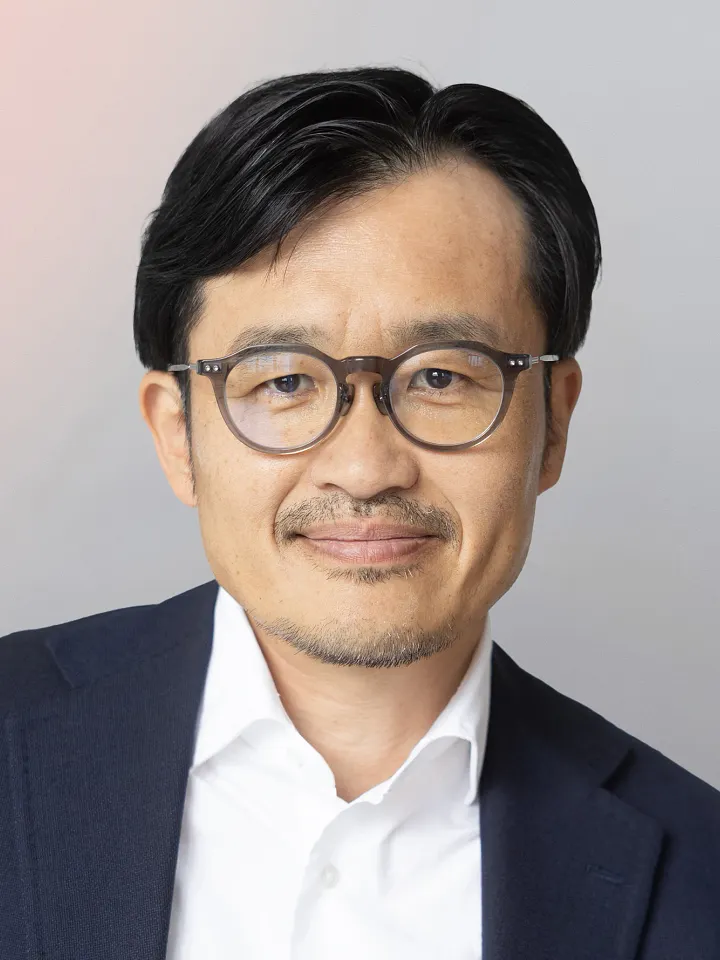
Hideaki Mori, President, Varian Asia Pacific & Japan, Siemens Healthineers
How is breast cancer care evolving in India, particularly as advances in diagnosis and treatment are enabling more personalised approaches to patient care?
Breast cancer care in India is becoming increasingly personalised. Advances in diagnosis and treatment are helping clinicians tailor care more closely to each patient and the characteristics of their cancer.
Effective treatment requires a multidisciplinary approach. Surgery, chemotherapy, and radiation therapy may all play a role, depending on the patient’s needs. This means strong collaboration across specialties is important. Timely referral can help ensure patients are considered for the right treatment at the right stage of care.
Advances in imaging and treatment planning are also making treatment more precise. In radiation therapy, this can help clinicians better target the intended area while limiting exposure to surrounding healthy tissues. For India, the opportunity is to combine these advances with stronger referral pathways and clinical collaboration. This can help more patients benefit from advanced, high-quality, personalised cancer care.
What are some of the key advances in radiotherapy and medical technology that are helping clinicians deliver more precise, personalised and effective breast cancer treatment?
Better imaging, for one, allows clinicians to see the treatment area more clearly and confirm positioning before treatment. Advanced treatment planning and new simulation techniques are also helping shape and direct radiation. This would allow for higher doses of radiotherapy, something called hypofractionation, and potentially reduce the number of treatment visits for the patient.
Modern radiotherapy can often be delivered in 5 to 20 treatments, helping reduce the treatment burden for patients. Advanced technologies such as Surface Guided Radiation Therapy (SGRT) can support precise treatment delivery while helping minimize radiation exposure to nearby organs, including the heart and lungs.
Treatment is also becoming more adaptable, with newer approaches allowing clinicians to review changes during therapy and adjust the treatment plan when appropriate. This is supported again by new imaging techniques, allowing CT quality imaging while the patient is still on the radiotherapy couch.
Despite these advances, what are some of the key gaps in access to quality breast cancer diagnosis and treatment in India, particularly beyond major urban centres?
Access is an enormous challenge. We want to ensure patients across India can benefit from these new possibilities. India reports over 1.4 million cancer cases and nearly 1million cancer-related deaths a year, underscoring the scale of the challenge.[1] Limited awareness of breast cancer symptoms, low participation in screening and delays in seeking medical advice can result in diagnosis at advanced stages, when treatment becomes more complex.
In rural areas, these challenges are worsened by limited access to diagnostic imaging, pathology services, radiotherapy facilities and trained specialists. The cost of care, travel and accommodation can further delay treatment or disrupt continuity of care, particularly for patients from underserved communities. Addressing these gaps requires investment in regional cancer centres, stronger referral networks, public-private partnerships and capacity-building to expand diagnostic and treatment capabilities in smaller cities. A more connected cancer-care pathway is essential to help patients move from diagnosis to treatment without delays, regardless of where they live.
How can technologies such as AI, data-driven solutions and advanced radiation therapy help address these gaps and enable more consistent, high-quality cancer care across geographies?
In India, where access to specialised cancer care varies significantly across regions, technology can help bridge the gap between advances in treatment and patients’ ability to benefit from them. AI and data-driven solutions can support clinical decision-making and streamline treatment planning. Standardised workflows and knowledge-sharing can help extend specialist expertise beyond major cancer centers.
A connected digital ecosystem is also essential. Information needs to move with the patient across many different steps and specialists. Better interoperability can help reduce gaps that can lead to delays in care.
AI can also help make the care pathway more efficient and increasingly autonomous. AI-assisted contouring and workflow optimisation, for example, can reduce manual tasks, support clinical teams and help centres deliver consistently, helping to meet the increasing demands put on them.
Looking beyond India, how do you see the cancer care landscape evolving across the Asia-Pacific region, and what opportunities does India have to contribute to this evolution through healthcare innovation and collaboration?
Cancer care is advancing rapidly, but progress is uneven. New technologies alone will not transform cancer care. We also need the infrastructure, clinical capabilities and partnerships that allow innovation to be adopted effectively and reach more patients.
India has an important role to play in this transformation. Its scale, clinical expertise and strong digital ecosystem create opportunities to develop new models of cancer care. India can contribute not only through expanding treatment infrastructure, but also through software, digital solutions and data-driven approaches that can help healthcare systems use resources more effectively.
Partnership will be fundamental to making this sustainable. Healthcare providers, clinical societies, researchers, technology companies and policymakers need to work together. We need to build capacity, develop the workforce and improve the clinical adoption and utilisation of technology. Innovation only delivers its full value when it becomes part of everyday clinical practice and improves care for patients.
If we can bring those elements together, India can help shape approaches that have relevance well beyond its borders.
What role is Varian, a cancer care business of Siemens Healthineers, playing in advancing breast cancer care through innovation, technology and partnerships, and what could the next phase of cancer care look like as these technologies continue to evolve?
Advancing cancer care requires more than developing new technologies; it requires translating scientific and clinical progress into approaches around the needs of each patient. We have been at the forefront of radiation therapy innovation for decades, working closely with clinicians and research institutions to advance how cancer is treated.
Breast cancer is a good example of how rapidly the field is evolving. Modern radiation therapy is increasingly able to shape treatment more precisely around the tumour while reducing exposure to surrounding healthy tissue. At the same time, faster treatment planning and delivery, advanced imaging and more streamlined workflows can help cancer centres deliver sophisticated care efficiently. This is particularly important in countries such as India, where healthcare systems need to expand access while maintaining high standards of precision and quality.
We are also seeing innovation improve the experience of treatment itself. Surface-guided radiation therapy, for example, can reduce the need for the permanent skin tattoos traditionally used to position some patients for radiotherapy. For a patient, seemingly small innovations like these can make a meaningful difference to how treatment fits into their life. Our ambition is simple: turn advances in technology into better experiences and better care for more patients. Every step towards that goal brings us closer to a world without fear of cancer.
[1] https://ascopubs.org/doi/10.1200/GO-25-00083?referrer=https%3A%2F%2Fwww.google.com%2F