

India’s Healthcare Transformation: How Digital Healthcare in India, Health Technology, and Preventive Care Are Shaping the Future
Healthcare in India is undergoing a significant transformation. From online doctor consultations to AI-powered diagnostic tools, technology is changing how people access medical services, manage their health, and receive treatment. What once required multiple hospital

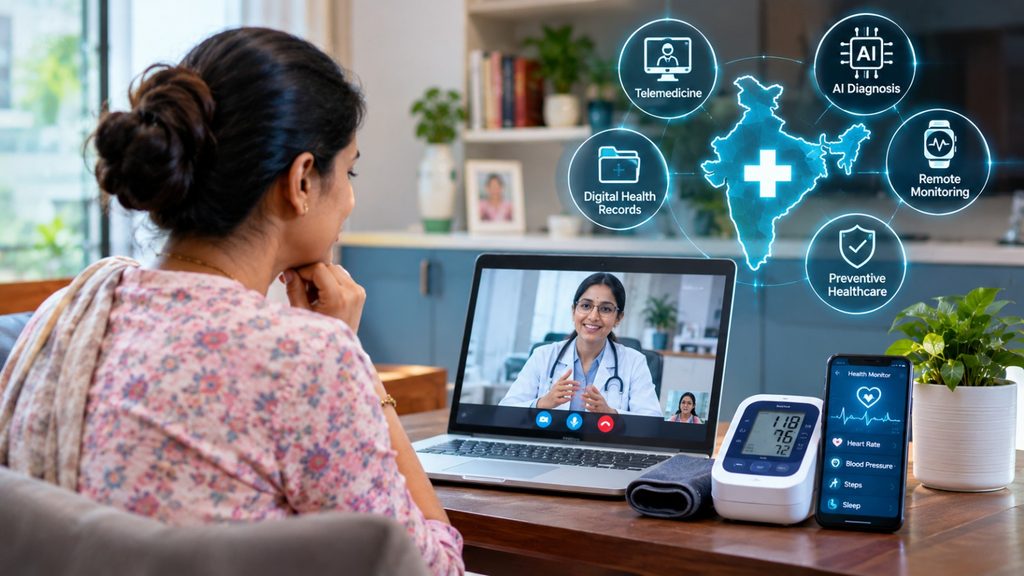
Healthcare in India is undergoing a significant transformation. From online doctor consultations to AI-powered diagnostic tools, technology is changing how people access medical services, manage their health, and receive treatment. What once required multiple hospital visits can now often be managed through digital platforms, making healthcare more accessible and convenient for millions of people.
The growing adoption of digital healthcare in India is creating new opportunities for patients, healthcare professionals, hospitals, and medical technology companies. At the same time, increasing awareness of preventive healthcare is encouraging people to focus on their health before serious medical conditions develop.
This transformation is not limited to technology alone. It also involves better healthcare infrastructure, improved patient experiences, data-driven medical decisions, and a stronger focus on early diagnosis.
As India continues to strengthen its healthcare ecosystem, understanding the role of digital solutions, preventive care, and medical innovation has become increasingly important.
1. The Growing Importance of Digital Healthcare in India
Digital healthcare refers to the use of technology to improve the delivery, management, and accessibility of medical services. It includes telemedicine, electronic health records, mobile health applications, online consultations, and digital diagnostic systems.
The expansion of digital healthcare in India is helping address several long-standing healthcare challenges, including geographical barriers, limited access to specialists, and the growing demand for quality medical services.
Making Healthcare More Accessible
In many rural and underserved areas, patients have limited access to specialist doctors and advanced medical facilities. Digital consultations allow patients to connect with healthcare professionals without travelling long distances.
For example, a patient living in a remote village can consult a specialist in Delhi, Mumbai, or Bengaluru through a telemedicine platform. This can save time, reduce travel expenses, and support timely medical advice.
Digital healthcare platforms also make it easier for patients to schedule appointments, receive prescriptions, and access follow-up consultations.
India’s Digital Health Infrastructure
India has been developing digital health infrastructure to support a more connected healthcare ecosystem.
The Ayushman Bharat Digital Mission (ABDM) aims to create an integrated digital health ecosystem. Its initiatives include the Ayushman Bharat Health Account (ABHA), which enables individuals to establish a digital health identity and link health records where supported.
Such initiatives can improve continuity of care by helping patients and healthcare providers access relevant medical information more efficiently.
However, successful implementation requires strong data privacy measures, reliable internet connectivity, and digital literacy among users.
2. How Healthcare Technology in India Is Improving Patient Care
Healthcare technology in India is becoming an essential part of modern medical services. Hospitals, diagnostic centres, and healthcare organisations are increasingly adopting digital tools to improve operational efficiency and patient outcomes.
Technology is helping healthcare providers move beyond traditional methods and develop more coordinated approaches to patient care.
Electronic Health Records
Electronic Health Records (EHRs) allow healthcare providers to maintain digital versions of patient medical histories.
These records may include previous diagnoses, laboratory reports, prescriptions, allergies, and treatment information.
When properly implemented, EHR systems help doctors understand a patient’s medical background and reduce the chances of missing important information.
They can also improve coordination between departments, especially when patients require treatment from multiple specialists.
Remote Patient Monitoring
Remote patient monitoring uses connected devices to collect health information outside traditional healthcare settings.
Examples include:
- Blood pressure monitoring devices.
- Continuous glucose monitoring systems.
- Wearable heart rate trackers.
- Connected pulse oximeters.
These technologies can help healthcare professionals monitor patients with chronic conditions and identify concerning changes that may require medical attention.
For patients managing diabetes, hypertension, or certain heart conditions, remote monitoring can support more consistent follow-up care.
Digital Healthcare and Hospital Efficiency
Technology is also improving hospital operations.
Digital appointment systems, automated billing, electronic prescriptions, and integrated hospital management software can reduce administrative delays.
When healthcare staff spend less time handling paperwork, they may have more time to focus on patients.
The long-term success of healthcare technology in India will depend on how effectively these systems are integrated into everyday medical practice.
3. Preventive Healthcare in India: Moving Towards Early Detection
Preventive healthcare focuses on reducing the risk of diseases before they become serious. Instead of waiting for symptoms to appear, individuals are encouraged to take proactive steps to maintain their health.
The growing emphasis on preventive healthcare in India reflects the need to address lifestyle-related conditions, including diabetes, cardiovascular diseases, obesity, and hypertension.
Early detection can help individuals receive appropriate medical care sooner and reduce the risk of complications.
Why Preventive Healthcare Matters
Many chronic diseases develop gradually. People may not notice early symptoms, particularly when conditions such as high blood pressure or elevated blood glucose levels are present.
Regular health check-ups can help identify potential health concerns before they become more difficult to manage.
Preventive healthcare may include:
- Regular medical examinations.
- Blood pressure and blood glucose monitoring.
- Cancer screening when appropriate.
- Vaccination and immunisation.
- Healthy eating and physical activity.
- Smoking cessation and reduced alcohol consumption.
The appropriate preventive measures depend on an individual’s age, medical history, family history, and risk factors.
The Role of Digital Tools in Preventive Care
Digital health applications and wearable devices can encourage healthier habits by helping users monitor physical activity, sleep patterns, heart rate, and other health indicators.
For example, a fitness application may remind users to walk regularly or help them track their daily activity.
However, these tools should not replace professional medical advice. Abnormal readings or persistent symptoms should be evaluated by a qualified healthcare professional.
The combination of digital tools and preventive healthcare can support a more proactive approach to health management.
4. AI in Healthcare India: Transforming Diagnosis and Treatment
Artificial Intelligence (AI) is emerging as one of the most promising developments in modern healthcare.
The growing adoption of AI in healthcare India is creating opportunities to improve diagnostic processes, analyse medical information, and support clinical decision-making.
AI systems can process large volumes of medical data and identify patterns that may be difficult to detect through conventional methods.
AI-Powered Medical Diagnosis
AI-based systems are being developed and evaluated for applications in medical imaging, including X-rays, CT scans, and retinal images.
For example, certain AI tools can assist trained radiologists in identifying suspicious patterns in medical images.
These systems may help prioritise cases that require further review and support diagnostic workflows.
However, AI-generated findings must be interpreted within the clinical context. AI tools are not a substitute for qualified doctors, and their performance can vary depending on the data used to develop and validate them.
Personalised Treatment and Clinical Decision Support
AI can also help healthcare professionals analyse patient information and identify treatment considerations.
For instance, decision-support systems may assist doctors in reviewing medical histories, laboratory results, and relevant clinical guidelines.
In the future, more advanced systems may help healthcare providers develop personalised treatment approaches based on individual patient characteristics.
The responsible use of AI requires clinical validation, transparency, appropriate human oversight, and strong patient data protection.
5. Predictive Healthcare: Identifying Health Risks Earlier
Predictive healthcare uses medical information, statistical methods, and advanced analytical tools to estimate the likelihood of future health conditions.
It represents an important development in the shift from reactive treatment towards proactive healthcare management.
How Predictive Healthcare Works
Predictive healthcare systems may analyse several types of information, including:
- Patient medical history.
- Laboratory test results.
- Lifestyle information.
- Family medical history.
- Relevant clinical observations.
By identifying patterns in this information, predictive models can help estimate the risk of certain diseases.
For example, a healthcare professional may use a validated risk assessment tool to evaluate a patient’s likelihood of developing cardiovascular disease.
Such information can support decisions about further testing, lifestyle changes, and preventive interventions.
Predictive Healthcare in Hospital Management
Predictive analytics can also help hospitals plan their operations.
Healthcare organisations may use historical patient data to estimate admission trends, identify periods of higher demand, and plan staffing requirements.
This can improve resource allocation and help hospitals prepare for changing patient needs.
However, predictive models must be carefully evaluated to avoid inaccurate conclusions, unfair outcomes, or unnecessary medical interventions.
6. Digital Health Transformation and Healthcare Innovation in India
Digital health transformation involves more than introducing new software or medical devices. It requires a coordinated approach that connects technology, healthcare professionals, patients, and medical infrastructure.
Healthcare innovation in India is creating opportunities for organisations to improve both the quality and accessibility of medical services.
Emerging Healthcare Innovations
Several developments are influencing the future of healthcare in India.
Telemedicine is helping patients access medical consultations remotely. AI-assisted diagnostics are supporting medical professionals in analysing complex information. Wearable devices are making health monitoring more convenient, while digital records are improving information management.
Medical technology companies are also developing solutions for hospital management, clinical workflows, diagnostic services, and patient engagement.
These innovations can help healthcare organisations deliver more efficient services when implemented responsibly.
Challenges in Digital Health Transformation
Despite its potential, digital healthcare faces several challenges.
Data privacy and security: Medical information is highly sensitive. Healthcare organisations must implement appropriate security controls and comply with applicable data protection requirements.
Digital accessibility: Patients in areas with limited internet connectivity or low digital literacy may find it difficult to use digital healthcare platforms.
Technology integration: Hospitals often use different software systems, making it challenging to exchange medical information efficiently.
Trust and reliability: Patients and healthcare professionals need confidence that digital tools provide accurate, secure, and clinically appropriate information.
Addressing these challenges is essential for building a sustainable digital healthcare ecosystem.
7. The Future of Healthcare in India
The future of healthcare in India will increasingly depend on the integration of technology, preventive medicine, and patient-centred care.
As digital infrastructure develops, healthcare providers may be able to deliver more coordinated services across hospitals, clinics, diagnostic centres, and home-based care settings.
A More Connected Healthcare Ecosystem
Digital health records, telemedicine platforms, and connected medical devices can help create a more integrated healthcare experience.
Patients may be able to access their medical information more conveniently, while healthcare professionals can make better-informed decisions when relevant records are available and authorised for use.
Greater Focus on Preventive and Personalised Care
The future of healthcare is likely to involve greater emphasis on identifying health risks early and developing care plans that reflect individual needs.
Digital tools can support this approach by helping patients monitor their health and communicate more effectively with healthcare professionals.
However, technology alone cannot solve every healthcare challenge. Access to trained medical professionals, affordable treatment, quality infrastructure, and reliable healthcare services will remain essential.
The success of digital healthcare in India will ultimately depend on how effectively innovation improves real patient experiences and health outcomes.
FAQs
1. What is digital healthcare in India?
Digital healthcare in India refers to the use of technology, including telemedicine, electronic health records, mobile applications, and digital diagnostic tools, to improve healthcare accessibility, efficiency, and patient care.
2. How is AI changing healthcare in India?
AI is helping healthcare professionals analyse medical images, identify patterns in patient data, support clinical decision-making, and improve certain healthcare workflows. Its use requires appropriate clinical validation and human oversight.
3. What is the importance of preventive healthcare in India?
Preventive healthcare helps identify potential health risks early and encourages people to adopt healthier habits. Regular check-ups, appropriate screening, vaccination, and lifestyle management can support better long-term health.
4. What is predictive healthcare?
Predictive healthcare uses medical data and analytical tools to estimate the likelihood of future health conditions. It can help healthcare professionals identify patients who may benefit from further evaluation or preventive measures.
5. What is the future of healthcare in India?
The future of healthcare in India is expected to involve greater use of digital health platforms, AI-assisted medical services, remote patient monitoring, predictive analytics, and preventive care to improve access and patient outcomes.
Conclusion
India’s healthcare sector is moving towards a more connected, technology-driven, and patient-focused future. Digital healthcare, preventive medicine, artificial intelligence, and predictive analytics are creating new opportunities to improve how medical services are delivered.
The growing adoption of digital healthcare in India can help reduce access barriers, improve healthcare management, and support better communication between patients and medical professionals.
At the same time, healthcare innovation must be supported by reliable infrastructure, data security, clinical expertise, and responsible technology implementation.
As healthcare organisations continue to embrace digital transformation, the focus should remain on one important goal: delivering accessible, efficient, and high-quality healthcare to every patient.
Disclaimer: This article is intended solely for general information and awareness and does not constitute professional advice, recommendation or endorsement; MedGate Today assumes no liability for decisions made based on its contents.