
Delhi Health Centres to Introduce Weekly Yoga Sessions, Children’s ABHA IDs Under New Directives
Healthcare News Ayushman Arogya Mandirs across Delhi are set to strengthen their preventive healthcare activities, with Union Health Secretary Punya Salila Srivastava directing officials to organise weekly yoga and wellness sessions and integrate digital health ID

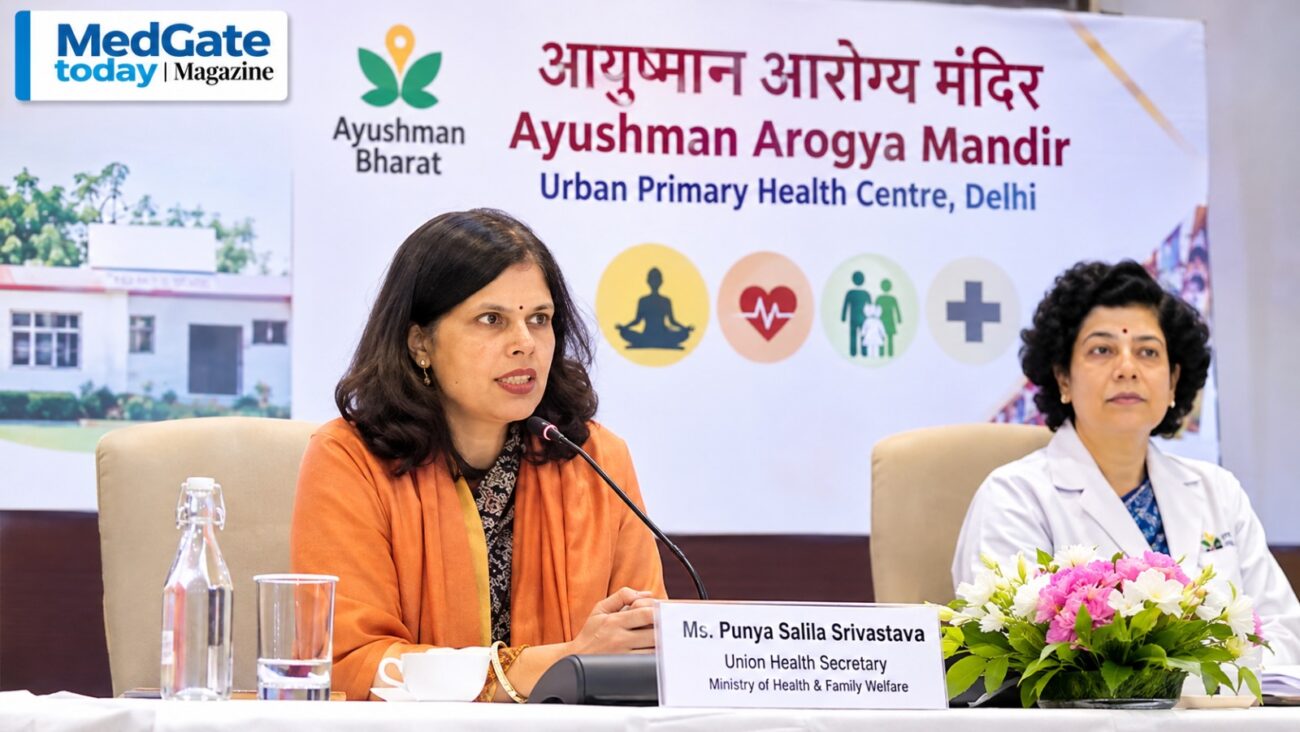
Ayushman Arogya Mandirs across Delhi are set to strengthen their preventive healthcare activities, with Union Health Secretary Punya Salila Srivastava directing officials to organise weekly yoga and wellness sessions and integrate digital health ID generation for children into routine healthcare services.
The directions were issued during her visit to three healthcare facilities in the national capital, where she reviewed the delivery of primary healthcare services and assessed the implementation of ongoing health initiatives.
According to a statement from the Union Health Ministry, Srivastava visited the Ayushman Arogya Mandir-Urban Primary Health Centre at Babar Road, the Department of Trade and Taxes at Vyapar Bhawan in IP Estate, and the Urban Sub Health Centre at Golf Links.
The review focused on improving the accessibility, quality and efficiency of comprehensive primary healthcare services through the city’s urban health facilities.
Weekly Yoga and Wellness Activities to Promote Preventive Healthcare
One of the key directions issued during the inspection was to introduce regular yoga and wellness sessions at all Ayushman Arogya Mandirs in Delhi. The sessions will be conducted on a fixed day every week to encourage greater community participation in preventive healthcare activities.
The initiative aims to promote physical activity, mental well-being, balanced nutrition and healthier lifestyle choices among people. It also reflects the government’s focus on strengthening preventive and promotive healthcare rather than limiting healthcare delivery to the treatment of illnesses.
Regular wellness activities at these centres are expected to encourage individuals to adopt healthier daily habits and become more actively involved in maintaining their health.
Children’s Digital Health Records Through Baal ABHA IDs
The Health Secretary also directed officials to incorporate the generation of Baal Ayushman Bharat Health Account (ABHA) IDs for children into routine service delivery.
The initiative is intended to provide children with digital health identification and support the maintenance of accessible health records. Digital health records can help improve continuity of care by making relevant health information easier to access when required.
Integrating Baal ABHA ID registration into regular services at Ayushman Arogya Mandirs is expected to strengthen the use of digital health infrastructure at the primary healthcare level.
Focus on Diabetes and Hypertension Screening
During the inspection, Srivastava appreciated the healthcare teams for their efforts in providing accessible and affordable medical services. She particularly highlighted the screening facilities available for non-communicable diseases (NCDs), including hypertension and diabetes.
She emphasised that regular screening, early identification, timely treatment and consistent follow-up are important for preventing disease-related complications and improving long-term health outcomes.
Non-communicable diseases such as diabetes and high blood pressure often require continuous monitoring and medical management. Strengthening screening programmes at primary healthcare centres can help identify health risks at an early stage and connect patients with appropriate treatment.
The availability of 12 essential laboratory tests at the inspected facilities was another important aspect appreciated by the Health Secretary. Access to basic diagnostic services at the primary healthcare level can reduce the need for patients to visit larger hospitals for routine investigations and support faster clinical decision-making.
NQAS Certification to Strengthen Healthcare Quality
Another major priority discussed during the visit was improving quality standards across urban healthcare facilities.
Srivastava directed officials to initiate the assessment and certification process under the National Quality Assurance Standards (NQAS) for Urban Sub Health Centres operating under the National Urban Health Mission.
NQAS certification is an important quality assurance mechanism designed to assess healthcare facilities against established standards. The process can help identify service delivery gaps, improve patient safety and encourage continuous improvements in healthcare operations.
The proposed assessment will also support more standardised healthcare delivery across urban primary healthcare facilities.
Coordination Between Health Authorities to Improve Services
Apart from reviewing individual facilities, the Health Secretary assessed the implementation of ongoing healthcare programmes and discussed measures to improve coordination, service integration and operational efficiency.
She acknowledged the contributions of the Delhi State Health Mission and healthcare professionals working at the facility level. She also stressed the importance of continued coordination between the Union Health Ministry, the State Health Mission and healthcare institutions.
Ayushman Arogya Mandirs and Their Role in Primary Healthcare
Ayushman Arogya Mandirs play an important role in expanding access to comprehensive primary healthcare services across India. Their service framework covers preventive, promotive, curative, rehabilitative and palliative healthcare.
These centres provide services focused on early disease detection, essential diagnostics, management of common illnesses and community-based wellness activities.
The latest directions for Ayushman Arogya Mandirs in Delhi highlight the importance of combining routine medical services with preventive healthcare, digital health infrastructure and quality assurance.
With weekly yoga sessions, children’s digital health IDs and proposed NQAS certification, the initiatives aim to strengthen primary healthcare delivery and make essential health services more accessible and patient-friendly for urban communities.
.
By MedGate Bureau
National Cancer Awareness Day