
India Targets Biotechnology-Led Industrial Revolution as Dr Jitendra Singh Calls for Greater Industry Participation
Healthcare News India has the potential to lead the next biotechnology-driven industrial revolution, with stronger industry participation, institutional collaboration and advanced manufacturing emerging as key priorities for the country's growing bioeconomy, Union Minister Dr Jitendra

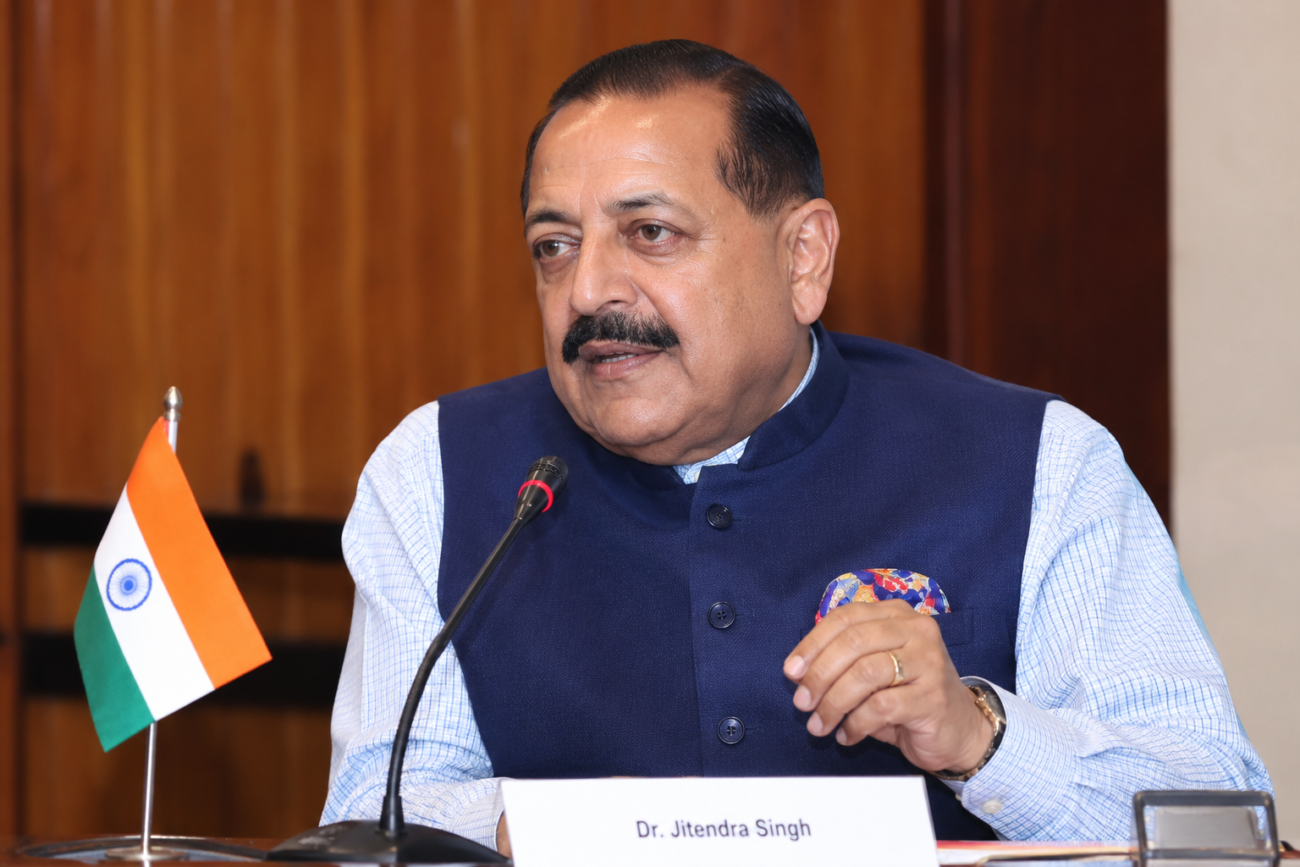
India has the potential to lead the next biotechnology-driven industrial revolution, with stronger industry participation, institutional collaboration and advanced manufacturing emerging as key priorities for the country’s growing bioeconomy, Union Minister Dr Jitendra Singh said during the third Foundation Day celebration of the Biotechnology Research and Innovation Council (BRIC).
Addressing the event at BRIC–National Institute of Immunology (NII) in New Delhi, the Minister highlighted the growing role of biotechnology, artificial intelligence and genomics in shaping the next phase of industrial and economic transformation. He called on India’s scientific community and private industry to move beyond technology adoption and take a leading role in developing globally competitive innovations.
Highlighting the sector’s growth, Dr Singh said India’s bioeconomy had expanded from approximately $10 billion when the present government took office to more than $195 billion. The country’s biotechnology startup ecosystem had also grown from around 50–60 startups to over 11,000, reflecting the expansion of research, entrepreneurship and commercial opportunities in the sector.
The Minister emphasised the importance of stronger coordination among scientific institutions to accelerate research and translate discoveries into commercial applications. He described BRIC’s integrated structure as a collaborative model that enables institutions to pool resources while retaining their individual identities, independence and autonomy.
BRIC brings together 13 biotechnology institutions across 11 cities through a decentralised national network. The model is intended to reduce administrative barriers, encourage interdisciplinary research and strengthen the connection between laboratory discoveries and market-ready technologies.
Biomanufacturing and AI-integrated production were also highlighted as important areas for future growth. The Minister referred to biofoundry hubs in Mohali, Hyderabad, Pune and Thiruvananthapuram, which are expected to strengthen India’s capabilities in high-performance manufacturing. International partnerships, including collaboration with the UK’s Centre for Process Innovation, are also expected to support the development of this ecosystem.
Genomics was identified as another important area, particularly for advancing precision medicine. Dr Singh said the Genomics Centre of Excellence had attracted interest from medical institutions, including AIIMS, as healthcare organisations explore opportunities to integrate genomic research into clinical applications.
The event also saw the Wellcome Trust announce a grant of up to ₹21.7 crore for a five-year immersion training programme involving more than 250 iBRIC+ PhD scholars. BRIC and the UK’s Centre for Process Innovation also signed a Letter of Intent to strengthen bilateral cooperation in biomanufacturing and biofoundry development.
The Minister further highlighted initiatives such as the Research, Development and Innovation Fund, the Anusandhan National Research Foundation and BIRAC as part of the broader framework supporting private-sector participation in scientific research and innovation.
The developments reflect India’s growing ambition to strengthen its position in biotechnology research, advanced manufacturing and commercial innovation. Greater collaboration between research institutions, startups and industry will be important in translating scientific capabilities into products, technologies and globally competitive businesses.
.
By MedGate Bureau