

AIIMS Delhi Doctors Identify ‘Red Alert Zone’ to Reduce Risks in Complex Cancer Surgery
Doctors at the All India Institute of Medical Sciences (AIIMS), New Delhi, have identified a high-risk anatomical area during complex gynaecological cancer surgery, termed the “Red Alert Zone” or “Ray’s Zone,” to help reduce surgical

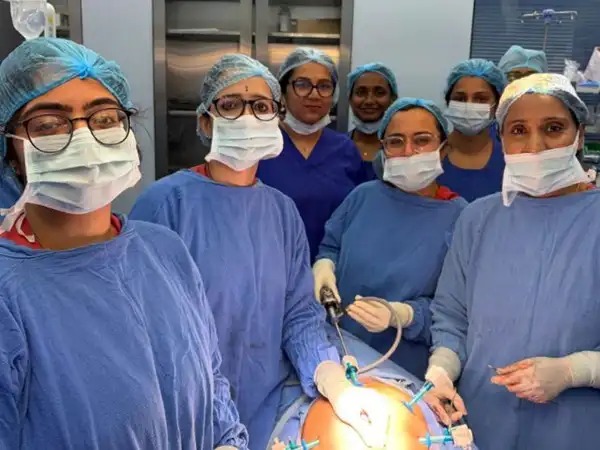
Doctors at the All India Institute of Medical Sciences (AIIMS), New Delhi, have identified a high-risk anatomical area during complex gynaecological cancer surgery, termed the “Red Alert Zone” or “Ray’s Zone,” to help reduce surgical bleeding and minimise injuries to vital organs. The finding could support safer procedures for women undergoing surgery for cervical, endometrial and ovarian cancers.
The concept was developed by Dr. M. D. Ray, Professor in the Department of Surgical Oncology at Dr. B. R. Ambedkar Institute Rotary Cancer Hospital (Dr BRA-IRCH), AIIMS Delhi, and his team. The zone lies below the uterine blood vessels, where the ureter, urinary bladder, pelvic nerves and major blood vessels are located close to one another, increasing the risk of accidental injury during surgery.
The findings emerged from an analysis of 255 radical or modified radical hysterectomies performed for gynaecological cancers. After reviewing the anatomy and causes of operative bleeding and injuries, the team modified its surgical approach in the later 105 cases, emphasising more precise anatomical identification and controlled dissection.
The recommended technique includes careful visualisation of anatomical structures, magnification when required, individual ligation of blood vessels and avoiding excessive cautery near the pelvic ureter. Researchers said these measures could help reduce blood loss and minimise ureteric, bladder and pelvic nerve injuries, potentially improving postoperative recovery and quality of life.
Dr. Ray has also described another high-risk surgical area, known as “Ray’s Hepatocaval Triangle,” near the liver and major hepatic veins, where uncontrolled manipulation can lead to severe bleeding or vascular injury. Both concepts aim to help surgeons identify potentially hazardous anatomical regions before proceeding with dissection.
AIIMS Delhi’s Department of Surgical Oncology reports performing approximately 2,000 major cancer surgeries annually, alongside around 5,000 minor surgical and endoscopic procedures. The department also undertakes research, specialist training and complex oncological procedures.
The identification of these anatomical warning zones highlights the importance of surgical planning and anatomy-guided techniques in complex cancer care. Further research and clinical validation will be important to establish the extent to which the approach improves surgical outcomes across different patient groups and healthcare settings.