

East Singhbhum Reports 26 New Cerebral Malaria Cases as District Intensifies Screening Amid Rising Fatalities
Health authorities in Jharkhand's East Singhbhum district have reported 26 new cases of cerebral malaria and 18 additional cases of malaria following an intensified screening drive across affected villages, raising concerns over the spread of

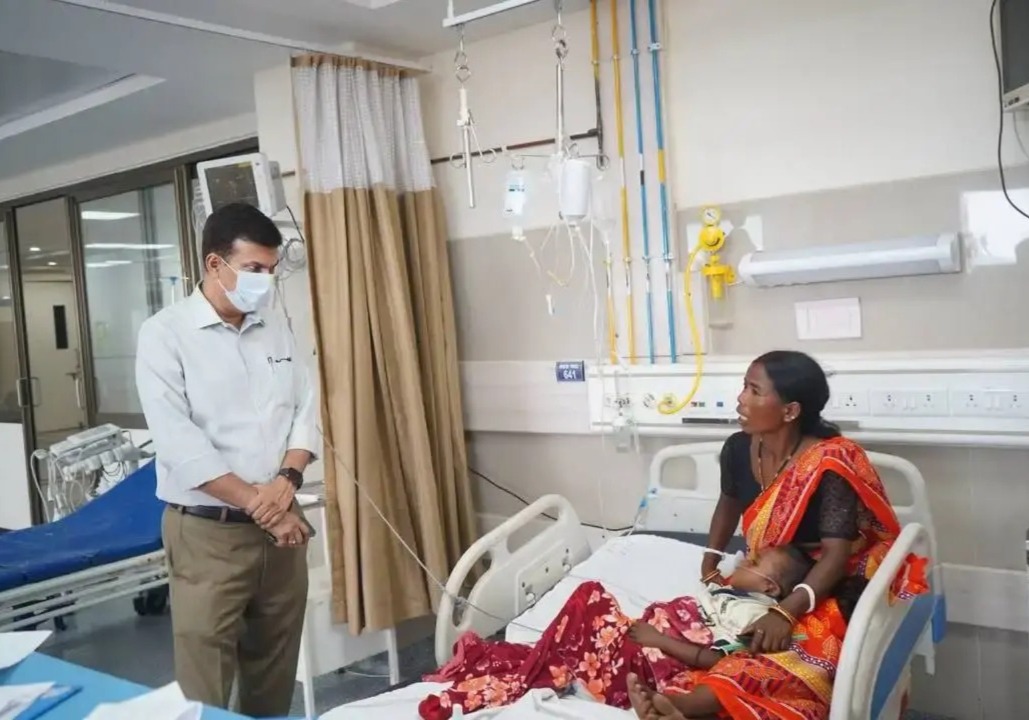
Health authorities in Jharkhand’s East Singhbhum district have reported 26 new cases of cerebral malaria and 18 additional cases of malaria following an intensified screening drive across affected villages, raising concerns over the spread of the disease in the region. While no new fatalities were reported during the latest round of surveillance, officials confirmed that four people have died due to cerebral malaria over the past four days, prompting the district administration to strengthen emergency response measures.
According to district health officials, 44 individuals tested positive for malaria related infections after 507 residents were screened in villages identified as high-risk areas. The newly detected cerebral malaria cases add to the 24 cases identified between June 25 and June 29, taking the total number of reported cerebral malaria cases in the district to 50 within a week.
District authorities have intensified active surveillance, diagnostic testing, vector control measures and community awareness campaigns in the affected areas to prevent further spread. Health teams have been deployed to conduct door to door screening, distribute medicines and identify individuals exhibiting symptoms associated with severe malaria infection.
Cerebral malaria is one of the most severe complications of malaria infection, primarily caused by the Plasmodium falciparum parasite. WHO, cerebral malaria can lead to seizures, coma, neurological complications and death if not diagnosed and treated promptly. The condition remains a major public health challenge in several malaria endemic regions worldwide.
India has made significant progress in reducing malaria incidence over the past decade. According to government and WHO estimates, the country recorded a decline of more than 80 percent in malaria cases between 2015 and 2023. However, localized outbreaks continue to occur in certain districts due to environmental, climatic and vector related factors.
Public health experts note that early diagnosis, rapid treatment and effective vector control interventions are critical to reducing mortality associated with cerebral malaria. They have also emphasized the importance of strengthening surveillance systems and community awareness, particularly in tribal and remote regions where access to healthcare services may be limited.
The East Singhbhum district administration has urged residents to seek immediate medical attention if symptoms such as fever, chills, altered consciousness or neurological symptoms develop. Healthcare facilities in the affected areas have been placed on alert, and additional medical resources have been mobilized to manage severe cases.
The recent surge in cerebral malaria cases highlights the continuing challenges posed by vector borne diseases and underscores the importance of sustained public health surveillance, early intervention and coordinated response measures to prevent further fatalities.