
Health Ministry Issues Alert on Potential Rise in Dengue Cases During El Niño Year, Urges States to Strengthen Preparedness
Health authorities have intensified preparedness measures for dengue and other vector borne diseases following concerns that El Niño weather conditions could increase the risk of outbreaks during the upcoming transmission season. The advisory comes after

Health authorities have intensified preparedness measures for dengue and other vector borne diseases following concerns that El Niño weather conditions could increase the risk of outbreaks during the upcoming transmission season. The advisory comes after observations of higher dengue incidence during previous El Niño years, including 2021 and 2024, both in India and globally.
The Union Health Ministry has issued a cautionary note to states and Union Territories, urging them to initiate preventive measures well before the peak transmission period. The advisory emphasizes the need for enhanced disease surveillance, early case detection, strengthened laboratory networks, vector control activities and rapid response mechanisms to contain potential outbreaks.
According to health officials, climatic variations associated with El Niño can influence rainfall patterns, temperature and humidity levels, creating favourable conditions for mosquito breeding and disease transmission. Public health experts have increasingly linked extreme weather events and climate variability to the changing epidemiology of vector borne diseases such as dengue, malaria and chikungunya.
India has witnessed a steady rise in dengue cases over the past decade, making the disease a major public health concern. Data from the National Centre for Vector Borne Disease Control (NCVBDC) indicate that the country records tens of thousands of dengue cases annually, with seasonal spikes typically occurring during and after the monsoon months. Urban areas remain particularly vulnerable due to population density and the prevalence of stagnant water sources that facilitate mosquito breeding.
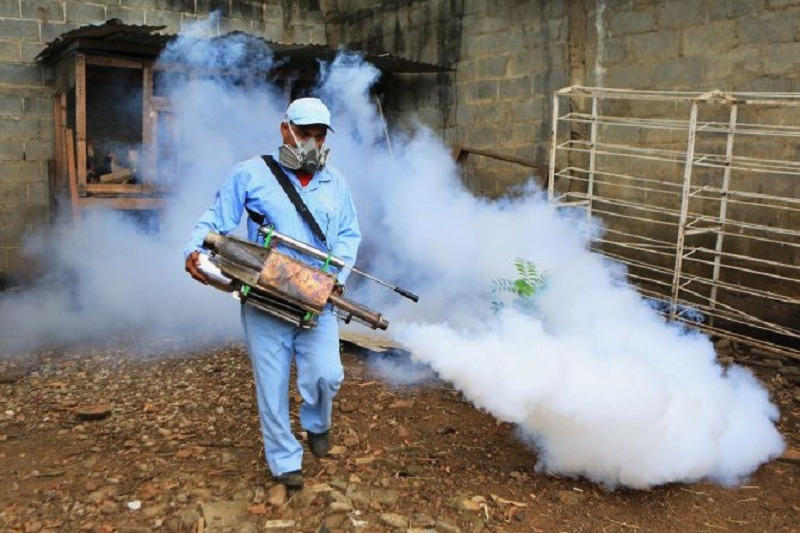
The central advisory directs states to identify hig risk districts, ensure adequate availability of diagnostic kits and essential medicines, strengthen hospital preparedness and intensify public awareness campaigns. Local authorities have also been advised to conduct regular source reduction activities, including the elimination of stagnant water collections and implementation of community based vector control measures.
Health experts note that timely intervention is critical in reducing disease burden. Early surveillance and rapid response systems can help detect outbreaks before they escalate, while community participation remains essential for controlling mosquito breeding at the household level.
The World Health Organization has repeatedly warned that climate change and weather anomalies are contributing to the global spread of mosquito borne diseases. Several countries have reported increased dengue transmission in recent years, prompting governments to invest in stronger surveillance systems and preventive public health measures.
As the monsoon season approaches, health authorities are encouraging citizens to take precautions such as covering water storage containers, using mosquito repellents, wearing protective clothing and seeking medical attention promptly if symptoms including fever, headache, body pain or rash appear.
The latest advisory underscores the government’s proactive approach to disease prevention and highlights the growing importance of climate sensitive public health planning in safeguarding communities against emerging health risks.