
Healthcare Will Be AI’s Largest Market as Expert Medical Guidance Becomes More Accessible, Says Microsoft AI CEO
Healthcare is poised to become the largest application area for artificial intelligence (AI) as advances in generative AI make expert medical knowledge more accessible to patients and healthcare professionals, according to Mustafa Suleyman, CEO of

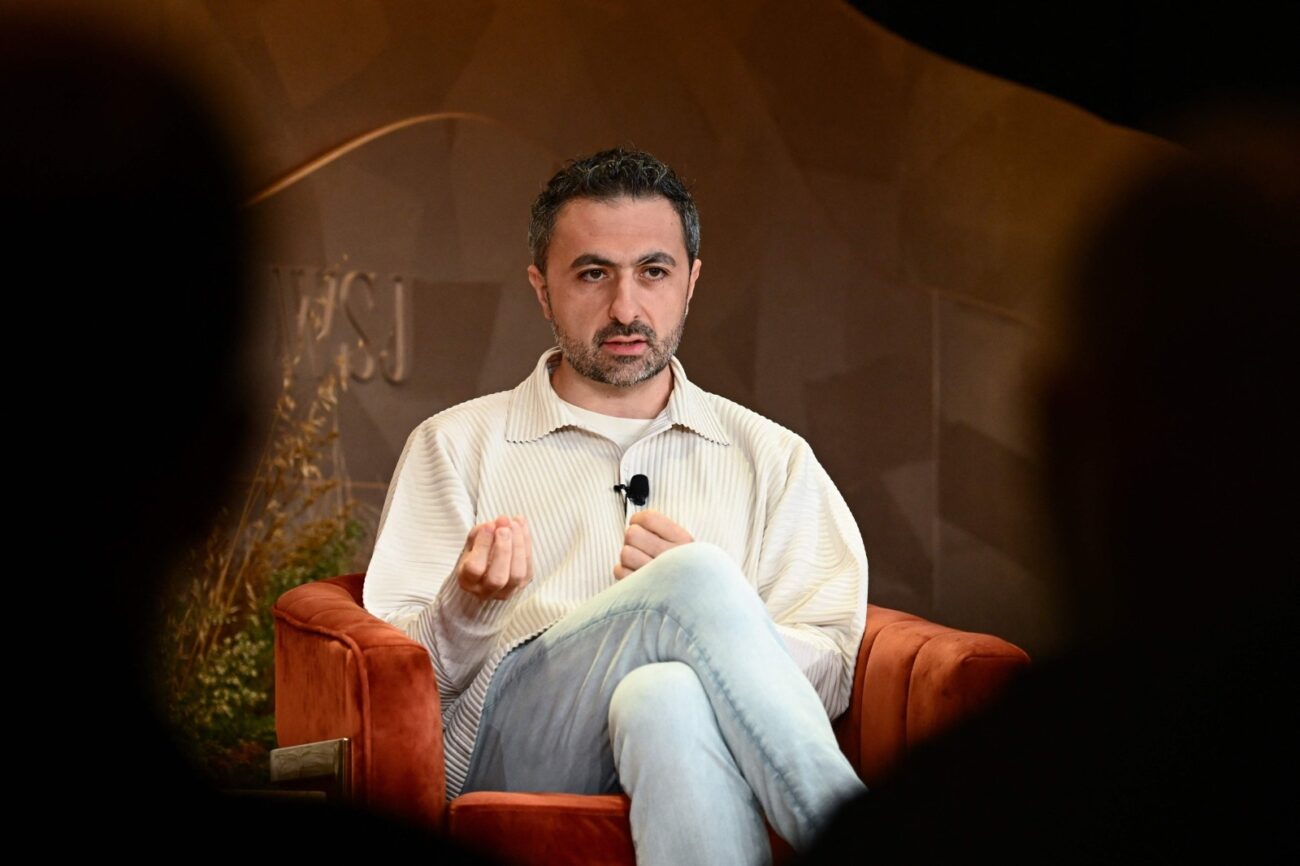
Healthcare is poised to become the largest application area for artificial intelligence (AI) as advances in generative AI make expert medical knowledge more accessible to patients and healthcare professionals, according to Mustafa Suleyman, CEO of Microsoft AI. He noted that healthcare has already emerged as one of the most widely adopted use cases for Microsoft’s AI services, reflecting the technology’s growing role in transforming healthcare delivery.
Speaking about the future of AI, Suleyman said the technology has the potential to democratize access to high quality medical guidance by supporting clinical decision making, improving diagnostics and enabling patients to obtain reliable health information more efficiently. He emphasized that AI is designed to augment healthcare professionals rather than replace them, helping clinicians make faster and more informed decisions.
The rapid adoption of AI in healthcare is being driven by its expanding applications across medical imaging, clinical documentation, drug discovery, disease prediction, personalized medicine and virtual health assistants. Hospitals and healthcare organizations worldwide are increasingly deploying AI-powered tools to improve operational efficiency, reduce administrative burden and enhance patient outcomes.
Healthcare has become one of the fastest growing segments for AI adoption globally. Industry estimates project that the global AI in healthcare market could exceed USD 180 billion by 2030, fueled by increasing investments in digital health, growing demand for precision medicine and advancements in machine learning technologies.
In India, artificial intelligence is gaining momentum under initiatives such as the Ayushman Bharat Digital Mission (ABDM), with healthcare providers integrating AI into diagnostics, hospital management, remote patient monitoring and clinical decision support systems. Experts believe AI can play a vital role in addressing healthcare workforce shortages and expanding access to quality care, particularly in underserved regions.
Healthcare experts caution that while AI offers significant opportunities, its widespread adoption must be accompanied by robust regulatory oversight, data privacy safeguards and clinical validation to ensure patient safety and ethical use. They emphasize that human expertise will remain central to healthcare, with AI serving as a tool to enhance, rather than replace, clinical judgment.
As investments in digital health continue to grow, experts believe healthcare is likely to become one of the defining sectors for artificial intelligence, reshaping the way medical services are delivered, improving access to expert guidance and supporting more personalized, efficient and data driven patient care.