
India Targets 75,000 Additional Medical Seats by 2029, Says Health Minister J.P. Nadda
Healthcare News India is targeting the addition of 75,000 undergraduate and postgraduate medical seats by 2029 as part of its efforts to expand medical education and strengthen the country's healthcare workforce, Union Health Minister Jagat

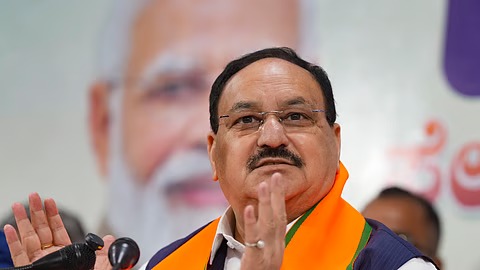
India is targeting the addition of 75,000 undergraduate and postgraduate medical seats by 2029 as part of its efforts to expand medical education and strengthen the country’s healthcare workforce, Union Health Minister Jagat Prakash Nadda has said.
The announcement was made on November 18, 2026, during the eighth convocation ceremony of Vardhman Mahavir Medical College (VMMC) and Safdarjung Hospital in New Delhi. The minister highlighted the expansion of medical education institutions and training opportunities as an important component of strengthening India’s healthcare delivery system.
According to figures shared during the event, India currently has 863 medical colleges, 23 AIIMS institutions, approximately 1.43 lakh undergraduate medical seats and 91,000 postgraduate medical seats. The proposed addition of 75,000 seats by 2029 is intended to further increase the availability of trained medical professionals and expand opportunities for aspiring doctors.
The minister also highlighted government investment in medical education infrastructure. In December 2025, the Union Cabinet approved an allocation of ₹15,000 crore under a scheme to support the creation of additional medical education capacity. The initiative includes financial assistance of ₹1.5 crore per additional medical seat and aims to facilitate 10,000 additional undergraduate and postgraduate seats.
The expansion of medical education is closely linked to the availability of teaching hospitals, clinical training facilities, laboratories, faculty members and other institutional resources. Increasing the number of seats will therefore require corresponding investments in educational and healthcare infrastructure to ensure that students receive adequate clinical exposure and training.
The government’s broader focus on medical education expansion also reflects the need to address the growing demand for healthcare professionals across the country. Strengthening medical colleges and associated hospitals can support the development of a larger workforce while improving access to healthcare services across different regions.
The proposed target of 75,000 additional medical seats by 2029 represents a significant expansion ambition. Its implementation will depend on the development of institutional capacity, availability of qualified faculty and adequate clinical training infrastructure across medical education institutions.
.
By MedGate Bureau