
Kerala Combats Rising Prostate Cancer Burden with Technology-Driven Care, Kochi Surgeon Sets National Record
Aster surgeon Dr. Kishore TA sets a national record by performing 58 robotic-assisted urological surgeries in a single month, the highest by any surgeon in India Kerala is leading in proactive prostate cancer

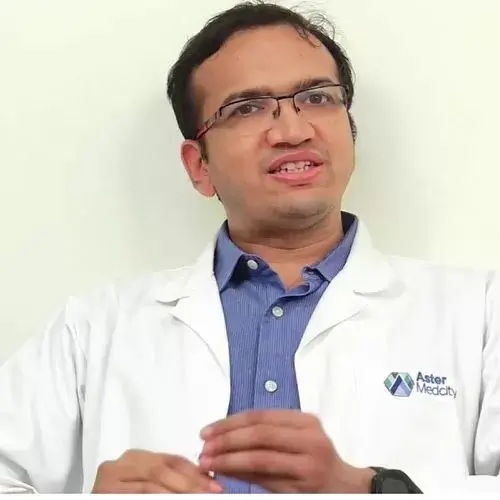
- Aster surgeon Dr. Kishore TA sets a national record by performing 58 robotic-assisted urological surgeries in a single month, the highest by any surgeon in India
- Kerala is leading in proactive prostate cancer care through early detection programs, adoption of advanced technologies like da Vinci, and surgeon training, improving patient outcomes and setting new benchmarks
Kerala is stepping up its fight against prostate cancer, one of the most common cancers affecting men in the state, by combining early detection with advanced surgical technology. A recent ICMR report highlights the scale of the challenge, pointing to consistently high incidence rates among men in Kerala.
Contributing to Kerala’s efforts to tackle prostate cancer are leading surgeons like Dr. Kishore TA, Consultant Urologist and Transplant Surgeon at Aster Medcity Hospital, Kochi, who set a national record in July by performing 58 robotic-assisted urological surgeries in a single month — the highest by any surgeon in India. His work spans complex urological procedures such as prostatectomy, partial nephrectomy, and living kidney reimplantation, among other procedures by using advanced da Vinci technology.
At Aster Medcity, the robotic urology program itself has become increasingly proficient, with the team now able to perform five to six complex surgeries regularly, which is significant in a city like Kochi where adoption of advanced surgical technology is steadily increasing. This demonstrates that robotic-assisted surgery is not just about isolated successes but about building sustainable, high-volume capability. It also helps break the myth that RAS takes longer to perform, showing instead that the technology can combine efficiency with precision, even in the most complex cases.
This growing proficiency directly benefits prostate cancer patients, where robotic-assisted radical prostatectomy has emerged as a standard treatment option when the disease is still confined to the gland. Dr. Kishore explained that the procedure offers major advantages over conventional surgery. “Benefits include smaller incisions, less blood loss, reduced infection risk, and faster recovery. This means that most patients can leave the hospital within three to four days and resume their daily activities within weeks,” he emphasized.
When the clinical assessment supports it, the Retzius-sparing approach can be an excellent option. This technique involves accessing the prostate from behind the bladder rather than through the space in front of it, which helps avoid disturbing key anatomical structures that play a vital role in urinary continence and sexual function. “By preserving these structures, we can maintain important functions while still removing the cancer,” said Dr. Kishore. “With the da Vinci robotic system’s 3D magnified vision and wristed instruments, we can work precisely in the confined pelvic space, minimise tissue damage, and carry out meticulous suturing when reconnecting the bladder and urethra. These advantages help lower the risk of complications and support a smoother recovery.”
Dr. Kishore noted that Kerala’s prostate cancer treatment landscape is gradually shifting from late-stage management to earlier intervention. This change is driven by greater public awareness, voluntary PSA screenings, and better diagnostic facilities. “When advanced technology is combined with organized screening programs and skilled surgical teams, we can not only treat more patients but also give them a better quality of life after surgery,” he said.
By integrating early detection initiatives, wider availability of robotic-assisted surgery, and training for the next generation of surgeons, Kerala is positioning itself as a leader in advanced, patient-focused prostate cancer care.