

Liquid Biopsy Could Transform Cancer Care and Help Reduce Treatment Costs
Healthcare news Liquid biopsy is emerging as a promising development in cancer diagnosis and treatment monitoring, offering doctors a less invasive way to understand how cancer behaves inside the body. Unlike conventional tissue biopsies, this

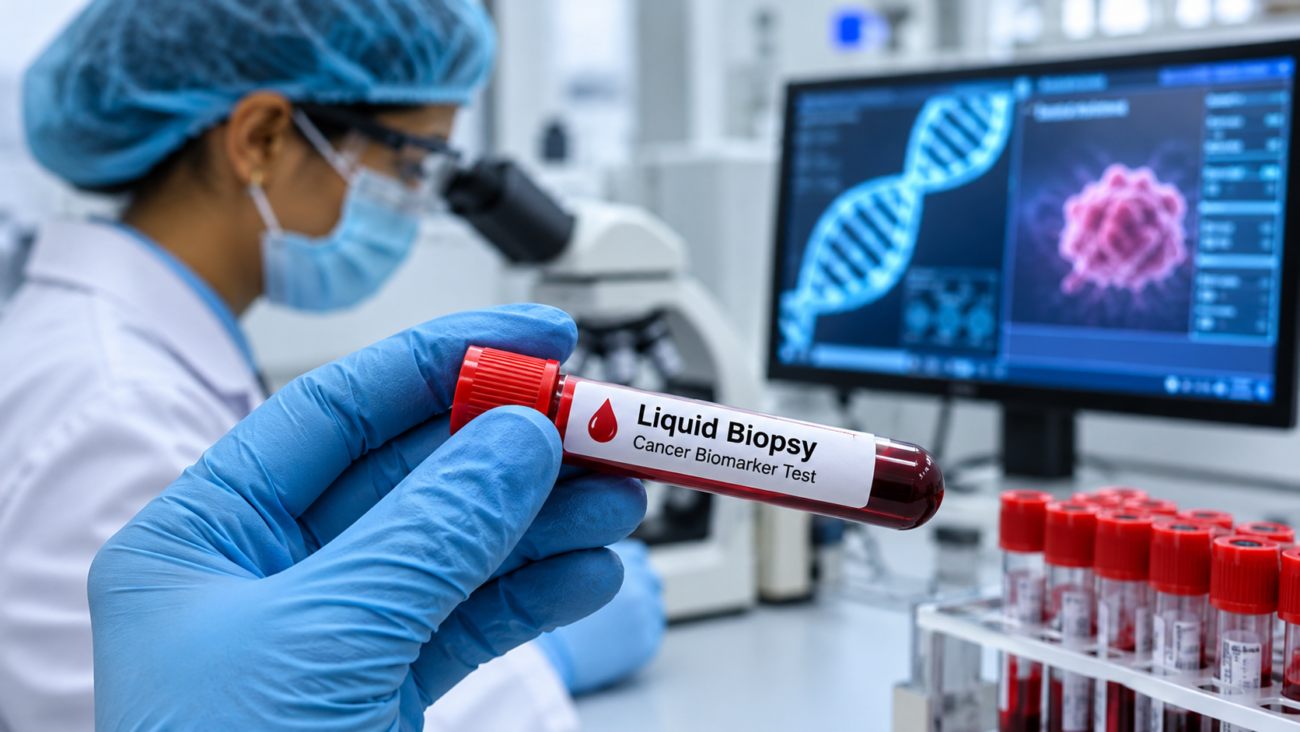
Liquid biopsy is emerging as a promising development in cancer diagnosis and treatment monitoring, offering doctors a less invasive way to understand how cancer behaves inside the body. Unlike conventional tissue biopsies, this blood-based approach examines cancer-related biomarkers circulating in the bloodstream, potentially helping clinicians make more informed treatment decisions.
The technology is attracting growing attention for its potential role in early cancer detection, disease monitoring and personalised treatment. It could also help reduce unnecessary healthcare expenditure by identifying which therapies are more likely to benefit individual patients.
Scientists Catherine Alix-Panabieres and Klaus Pantel, who introduced the term “liquid biopsy” in 2010, recently discussed the technology’s clinical potential during their visit to Mumbai. Both researchers have played significant roles in advancing research on circulating tumour cells and cancer-related biomarkers.
How Liquid Biopsy Supports Cancer Monitoring
Liquid biopsy involves analysing biological material released by tumours into the bloodstream. This may include circulating tumour cells (CTCs), circulating tumour DNA (ctDNA), RNA and extracellular vesicles.
These biomarkers can provide valuable information about tumour characteristics and changes in cancer progression. Repeated blood sampling may also help doctors monitor how a patient responds to treatment without relying exclusively on repeated invasive tissue sampling.
Researchers believe that combining tumour-related information with insights into the patient’s immune response could further support personalised cancer management.
Potential to Reduce the Financial Burden of Cancer Treatment
One of the major advantages highlighted by Klaus Pantel is the technology’s potential economic impact. Cancer treatment can involve expensive medicines and prolonged clinical management. However, not every therapy produces the same results in every patient.
Liquid biopsy-based analysis could help identify patients who are more likely to respond to particular treatments, potentially reducing expenditure on ineffective therapies.
Pantel suggested that even a relatively expensive diagnostic test could generate substantial savings if it prevents unnecessary treatment costs. Early detection may also improve the chances of successful treatment and reduce the need for extensive medical intervention.
Clinical Trials Remain Important for Wider Adoption
Despite its potential, liquid biopsy still faces challenges in becoming widely established across clinical practice. Researchers emphasise the need for additional interventional clinical trials to demonstrate measurable benefits for patients and establish how test results should guide treatment decisions.
The technology also requires collaboration between oncologists, researchers, diagnostic laboratories and healthcare institutions.
With continued scientific development and stronger clinical evidence, liquid biopsy could become an increasingly important component of precision oncology, supporting more informed treatment decisions and potentially making cancer care more cost-effective.
.
By MedGate Bureau
Best Healthcare Magazine in India