
Lung Transplant May Improve Survival in Select Patients with Advanced Lung Cancer, Study Finds
A lung transplant may offer a survival advantage for carefully selected patients with advanced lung cancer confined to the lungs, according to a new study published in JAMA. The findings suggest that transplantation could become

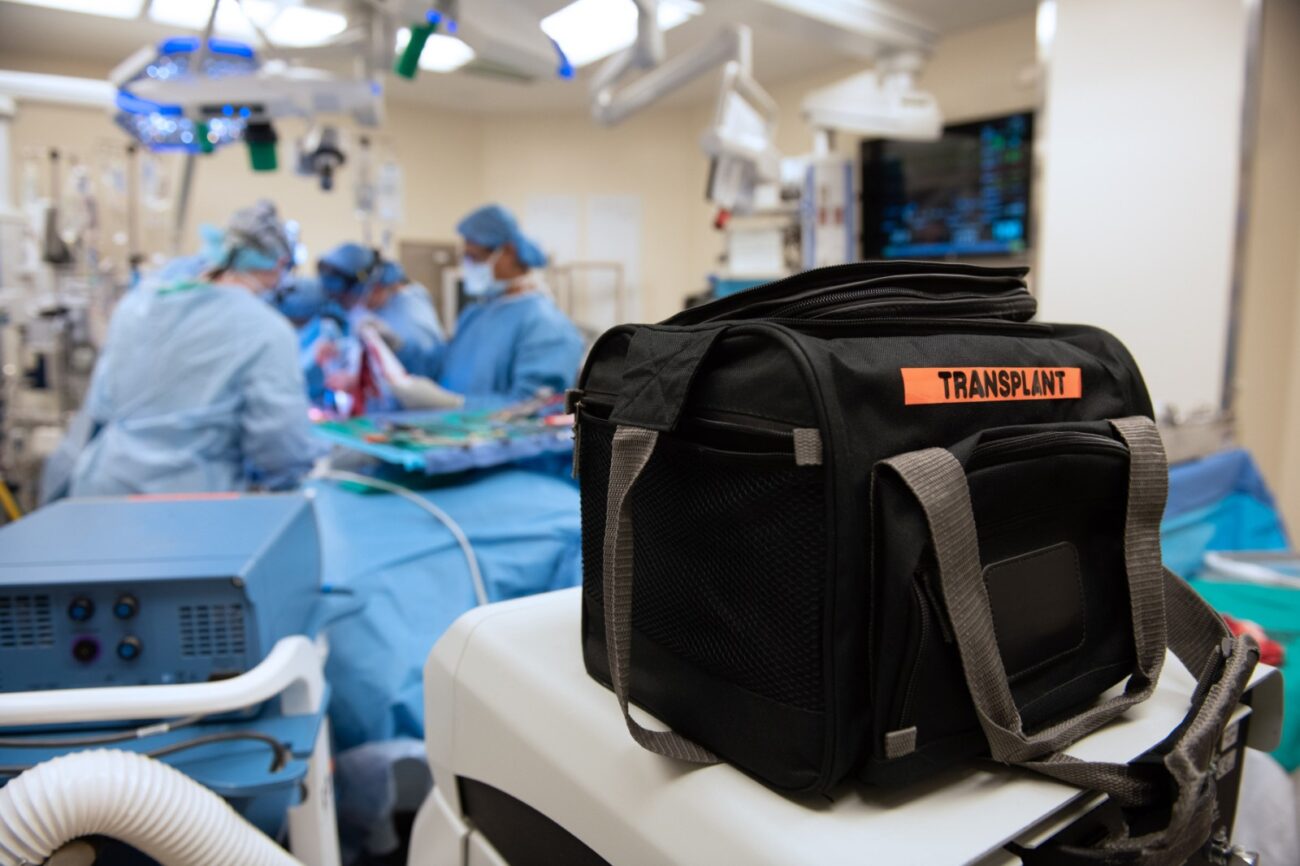
A lung transplant may offer a survival advantage for carefully selected patients with advanced lung cancer confined to the lungs, according to a new study published in JAMA. The findings suggest that transplantation could become a treatment option for patients who have exhausted conventional therapies and have no remaining medical alternatives.
Researchers evaluated 98 adults with terminal stage lung cancer limited to the lungs. Of these, 17 patients underwent lung transplantation, while 81 received standard medical management alone. The study found that patients who received a transplant experienced significantly better early survival compared to those managed without surgery.
Traditionally, lung transplantation has not been considered a standard treatment for advanced lung cancer because of concerns about cancer recurrence after surgery. However, the researchers found that in carefully selected patients whose disease remained confined to the lungs, transplantation may provide meaningful survival benefits when other treatment options have failed.
According to WHO, lung cancer remains the leading cause of cancer related deaths globally, accounting for nearly 1.8 million deaths annually. Despite advances in targeted therapies and immunotherapy, survival remains poor for patients with end stage disease, highlighting the need for innovative treatment approaches.
The researchers cautioned that lung transplantation is suitable only for a highly selected group of patients and should be performed at experienced transplant centres following rigorous clinical evaluation. Larger studies with longer follow up are needed to validate the findings.
Healthcare experts say the study opens a promising avenue for advanced lung cancer care and could reshape treatment strategies for a small subset of patients by expanding the role of transplantation in precision oncology.