

India’s Medical Device Industry Seeks Action to Regulate Trade Markups
India’s medical device industry is calling for a more effective framework to regulate trade margins, improve pricing transparency and support healthcare affordability. The demand comes after the National Pharmaceutical Pricing Authority (NPPA) approved a cap

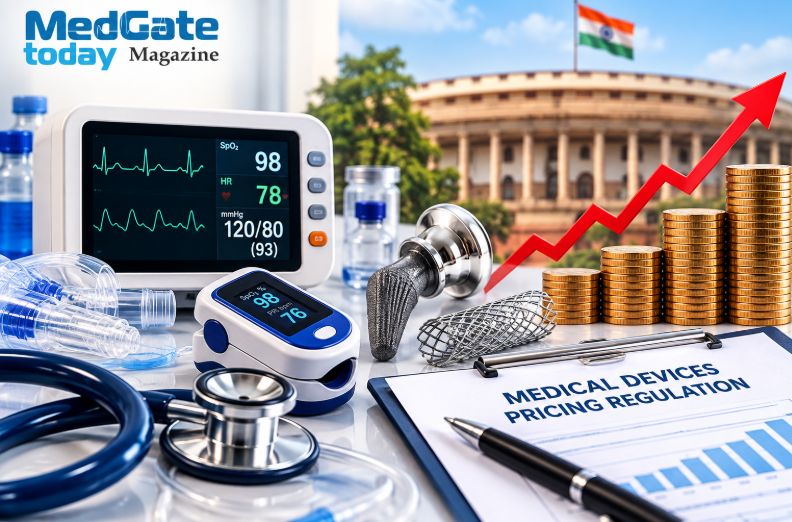
India’s medical device industry is calling for a more effective framework to regulate trade margins, improve pricing transparency and support healthcare affordability. The demand comes after the National Pharmaceutical Pricing Authority (NPPA) approved a cap on the markup of anti-cancer drugs at 30% of their maximum retail price (MRP), bringing renewed attention to pricing practices across the healthcare sector.
The Association of Indian Medical Device Industry (AiMeD) has reiterated its support for trade margin rationalisation for medical devices. However, the industry body has emphasised that the effectiveness of any such measure will depend on how the pricing framework is designed and implemented.
AiMeD Highlights Differences in Import and Domestic Pricing
One of the key concerns raised by AiMeD relates to differences in the distribution and pricing structures of imported and domestically manufactured medical devices.
Imported products generally pass through importers before reaching distributors and other buyers, whereas domestically manufactured devices may enter the distribution chain directly from the manufacturer. According to the industry body, these differences can influence the calculation of trade margins and the final retail price.
AiMeD has cautioned that if the pricing framework does not account for the importer’s role appropriately, imported devices could remain comparatively more expensive than similar domestically manufactured products.
The industry body has therefore called for a consistent approach that considers the importer’s position in the supply chain while determining the applicable trade margins.
Lessons from Earlier Pricing Interventions
Previous pricing measures involving medicines and selected medical devices highlight the importance of clearly defining the starting point for calculating trade margins.
AiMeD has pointed to concerns arising from earlier interventions, including the 2019 cap on cancer drug markups and restrictions applied to certain COVID-critical medical devices. The industry body argues that the structure of such measures can influence how effectively pricing regulations achieve their intended objectives.
A well-defined framework could help address excessive markups while ensuring that pricing rules are applied consistently across different distribution channels.
Impact on Healthcare Affordability
Medical devices are essential for diagnosis, patient monitoring, treatment and hospital care. Their prices can directly influence healthcare expenditure for patients and medical institutions.
Regulating unreasonable trade margins could improve pricing transparency and potentially support affordability. However, the actual impact would depend on the products covered, the calculation method and the implementation of any future policy.
Industry stakeholders also need to consider legitimate costs associated with importing, manufacturing, distributing and supporting medical technologies.
The demand for trade margin rationalisation highlights the need to balance patient affordability with a sustainable medical device supply chain.
The key question now is how policymakers can develop a transparent and consistent pricing mechanism that addresses excessive markups without creating unintended differences between imported and domestically manufactured medical devices.