
England Launches Groundbreaking Trial to Test Blood-Based Technology for Earlier Cancer Diagnosis
A new clinical trial in England is exploring whether advanced blood-testing technology can help general practitioners (GPs) identify potential cancer cases earlier, potentially improving the speed of diagnosis and access to treatment. The initiative will evaluate

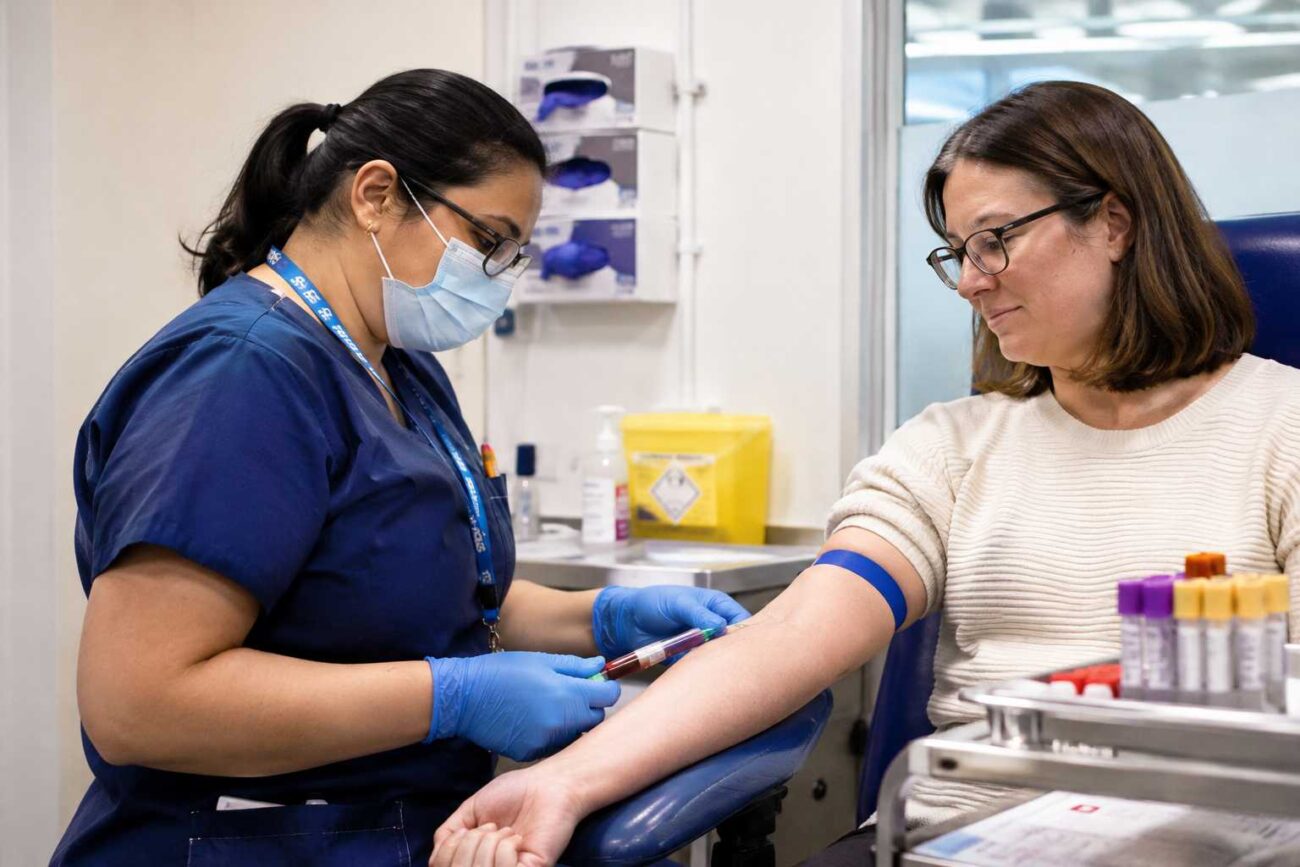
A new clinical trial in England is exploring whether advanced blood-testing technology can help general practitioners (GPs) identify potential cancer cases earlier, potentially improving the speed of diagnosis and access to treatment.
The initiative will evaluate a new approach to the blood test for early cancer detection, developed by researchers at the University of Birmingham. The technology is designed to analyse blood samples for biological signals associated with multiple cancers and provide an indication of the organs where a possible tumour may have originated.
Unlike conventional diagnostic approaches that often require patients to undergo several investigations, the technology aims to give family doctors additional information when assessing people with symptoms that could indicate cancer.
NHS Trial to Involve More Than 20,000 Patients
The clinical study will involve at least 200 general practice clinics across England’s National Health Service (NHS), with participation expected from more than 20,000 patients.
Individuals aged 45 and above experiencing persistent abdominal symptoms, including unexplained bloating or discomfort, may be eligible to participate. The research will concentrate on six major cancer types: prostate, ovarian, bowel, pancreatic, stomach and liver cancers.
These conditions can present with symptoms that overlap with less serious health problems, making early identification challenging in primary care settings.
AI and Blood Protein Analysis to Support Diagnosis
The proposed cancer screening blood test will incorporate advanced analytical techniques, including artificial intelligence (AI) and the measurement of specific proteins present in blood samples.
By examining these biological indicators, researchers aim to identify patterns that could help doctors determine whether further investigations or urgent specialist referrals are necessary.
The technology is intended to support, rather than replace, the clinical judgement of GPs. Doctors will continue to assess patients’ symptoms, medical history and other clinical findings before deciding on the appropriate next steps.
Could the Trial Transform Early Cancer Detection?
One of the major objectives of the study is to determine whether blood-based testing can be practically integrated into routine primary healthcare services.
Researchers will assess the accuracy and clinical usefulness of the technology, including whether it helps GPs identify patients who might otherwise experience delays in receiving a cancer diagnosis.
If the findings demonstrate meaningful clinical benefits, the approach could provide evidence for considering wider implementation across the NHS.
However, the technology is still being evaluated through clinical research. It should not be considered an established cancer screening method or a confirmed replacement for existing diagnostic procedures.
The trial represents an important step towards exploring how AI-assisted testing and routine blood analysis could contribute to more timely cancer diagnosis and strengthen the role of primary care in cancer detection.
By MedGate Bureau
Best Healthcare Magazine in India