
NMC Issues New Social Media Advertising Guidelines for Doctors and Hospitals; Restricts Misleading Claims and Fake Testimonials
The National Medical Commission (NMC) has issued new guidelines regulating ethical advertising and public communication by hospitals, medical institutions and registered medical practitioners (RMPs). Issued on October 6, 2026, the guidelines aim to curb misleading
The National Medical Commission (NMC) has issued new guidelines regulating ethical advertising and public communication by hospitals, medical institutions and registered medical practitioners (RMPs). Issued on October 6, 2026, the guidelines aim to curb misleading medical promotions, protect patient privacy and strengthen ethical standards across digital and traditional media.
The key provisions of the guidelines include:
- Patient Testimonials and Images: Restrictions on using patient testimonials, success stories and before-and-after photographs for promotional purposes, subject to the specific provisions of the guidelines.
- AI-Generated Content: Prohibits deceptive use of AI to fabricate or manipulate patient testimonials, images, voices, qualifications or clinical outcomes. This is not a blanket ban on all AI-assisted communication.Misleading Medical Claims: Restricts unsubstantiated promotional claims such as “No. 1 Doctor,” “Best Specialist,” “100% Success Rate” and “Guaranteed Cure.”
- Hospital Advertising: Hospitals may communicate factual and verifiable information about their facilities, departments, specialities, services, accreditation and charges.
- Commercial Endorsements: Doctors are restricted from using their professional status to advertise medicines, medical devices or commercial products in violation of applicable ethical requirements.
- Fake Reviews and Paid Rankings: Prohibits deceptive practices such as fabricated patient reviews, manipulated online ratings and paid arrangements designed to misrepresent professional rankings.
- Patient Privacy and Consent: Healthcare professionals must protect confidential patient information and comply with applicable consent and privacy requirements when communicating clinical information.
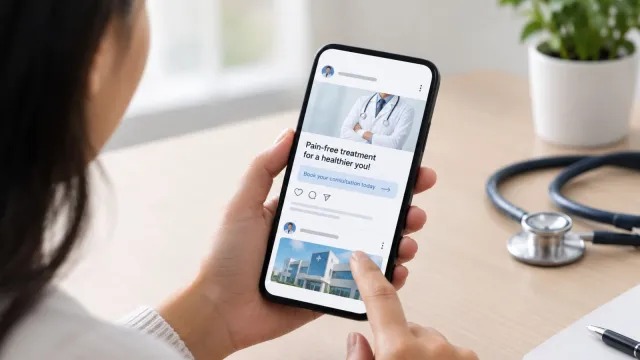
- Social Media and Digital Promotion: Doctors, hospitals and healthcare marketing agencies must ensure that websites, sponsored posts, influencer collaborations and other digital communications comply with the NMC’s ethical standards.
- Educational Communication: Doctors can continue sharing evidence-based health information and public-awareness content, provided it does not amount to prohibited self-promotion or misleading advertising.
- Disciplinary Action: Violations may lead to regulatory or disciplinary consequences under the applicable guidelines and professional conduct framework.
The new guidelines have important implications for hospitals, doctors, medical associations, healthcare marketers and digital health companies. Healthcare organisations should review their social media policies, patient-content permissions, promotional claims, influencer partnerships and online reputation management practices to ensure compliance.
The NMC’s guidelines mark a significant development in healthcare communication in India, reinforcing the principle that medical promotion must prioritise patient welfare, factual accuracy, professional ethics and transparency over commercial interests.